5:40am at a private terminal in Marrakech-Menara, the dawn just breaking over the Atlas. A staff member in a quiet uniform takes your bag and walks you across thirty metres of tarmac to a Boeing 757 reconfigured for fifty passengers. There is no security line. There is no boarding queue. The cabin is half-darkened, the seats already in lie-flat, and a flight attendant offers you a glass of Pol Roger before you sit down. Three hours later you wake up over the Sinai. By lunchtime you are at Petra.
That moment, the one the brochures sell and the one the trip actually delivers on, is the right place to start a piece on around-the-world private jet travel. The format is real. The seven operators offering it in 2026 are not interchangeable. Who you book with shapes the trip more than the destinations do, and the case for and against the format depends entirely on which traveller you actually are. What follows is the comparative briefing I wish I had had when a friend asked me whether her parents should book the Four Seasons jet for their fiftieth anniversary.
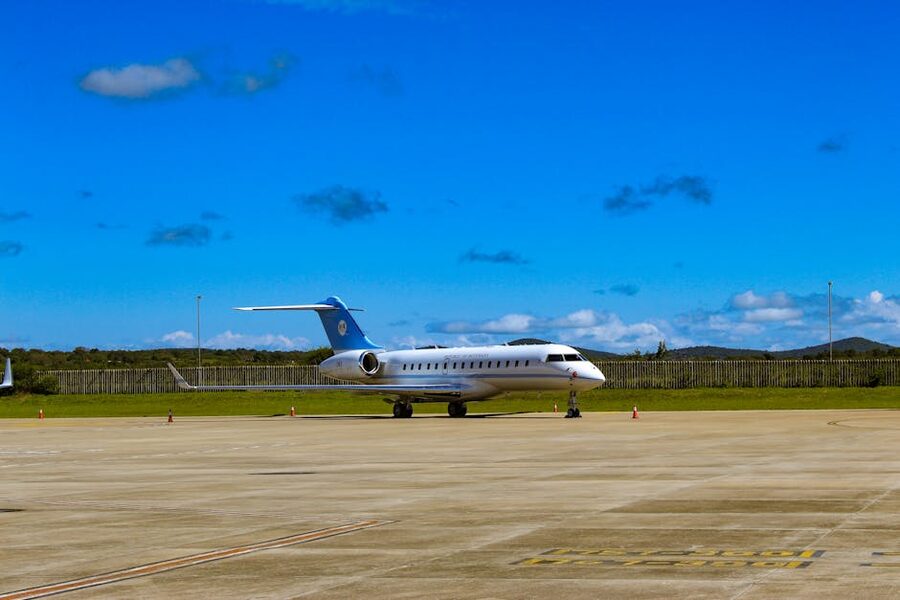
I’ve spent two months reading the operators’ current brochures, the recent customer reports on r/fatFIRE, and the long-form pieces from Travel Babbo, AFAR, and Travel + Leisure. I’ve also done what most published comparisons don’t bother with: priced what each of these operators charges this year, not the figures from a 2017 article still ranking on Google. The numbers below are 2026 and 2027 rates from the operators’ own pages, current as of May 2026.
What follows is the briefing I wish I’d had when a friend asked me whether her parents should book the Four Seasons jet for their 50th. The short answer is “maybe, and probably not the Four Seasons one.” The long answer takes the rest of this piece.
In This Article
- The current price tags, operator by operator
- What the money actually buys
- Four Seasons vs A&K vs TCS, pick your operator
- Four Seasons Private Jet Experience
- Abercrombie & Kent Wings Over the World
- TCS World Travel
- Smithsonian, National Geographic, and the academic-led options
- The aircraft, the flight schedule, and the things that decide your sleep
- The destinations: what you actually see
- Inside the typical day on tour
- Who actually books these tours
- The case for the format
- The case against
- The realistic alternatives
- The luxury operator series
- The small-ship expedition cruise
- The chartered yacht
- The around-the-world commercial trip
- How to actually book one (if you’ve decided to)
- The right reason to book it
The current price tags, operator by operator

The market has consolidated around a handful of operators. Each one has a personality. Pricing for 2026 and 2027 looks like this, all per person, double occupancy, all inclusive of jet, hotels, ground, meals, guides, and most excursions:
- Four Seasons Private Jet Experience, from USD 230,000 (the 2027 International Intrigue itinerary, 21 days, eight destinations).
- Abercrombie & Kent Wings Over the World, from USD 169,500 to USD 198,500, depending on the itinerary. The 2026 “Around the World with Geoffrey Kent” 24-day program runs USD 198,500 with a USD 19,850 single supplement.
- TCS World Travel, USD 170,000 for the October 2026 Around the World itinerary (24 days, 10 destinations on the new Airbus A321), USD 17,000 solo supplement.
- Smithsonian Journeys Around the World by Private Jet, from USD 170,000 (24-25 days, A321, no more than 50 passengers).
- National Geographic / National Trust Tours (operated jointly with Orbridge on a chartered Boeing 767), from USD 89,995 for a 21-day September 2026 “Around the World” itinerary. This is the budget end and the only routing here under USD 100k.
- Captain’s Choice (Australian operator, often does Asia-Pacific-leaning routings), from approximately USD 80,000 per person; pricing varies more widely by itinerary.
- Safrans du Monde, French operator, Paris-departure routings. From USD 78,000 to around EUR 165,000 depending on tour length and starting point.
So the band runs from roughly USD 90k at the budget end to USD 230k at the top, with the cluster of mainstream operators (A&K, TCS, Smithsonian) sitting between USD 170k and USD 200k. Add USD 17,000 to USD 20,000 for the solo supplement. Add another USD 5,000 to USD 13,000 per person for first or business class flights from your home city to the start city and back. Add roughly USD 3,000 to USD 8,000 per couple in optional ground excursions. The all-in number for two people on a flagship-tier tour is USD 400,000 to USD 530,000.
That’s the real cost. If that’s outside what you want to spend on three weeks of travel, the rest of the article is mostly an interesting read; the closing section on alternatives is the one that matters most for you.
What the money actually buys
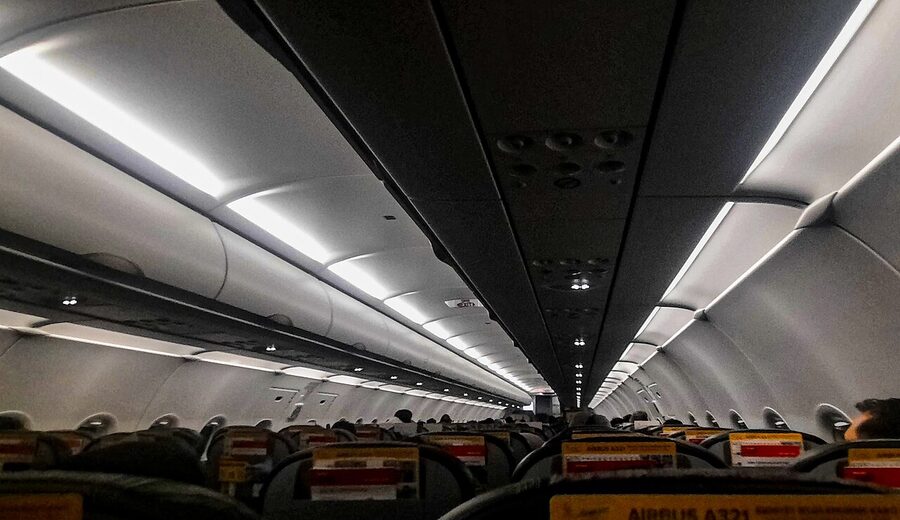

The aircraft is the line item people fixate on, and it should be. The whole format depends on what the cabin does to your sleep. Five 4-to-8-hour flights in three weeks is enough to wreck a normal traveller; the operators’ answer is to put 50 lie-flat seats into a plane that ordinarily carries 200. You get genuine personal space, real flatbeds, and crew ratios that a Singapore Airlines first-class cabin would envy. Four Seasons and TCS now both fly the Airbus A321neo-LR, purpose-built (Four Seasons) or specially reconfigured (TCS) for this work. Smithsonian uses an A321 outfitted to hold no more than 50. A&K runs a chartered Boeing 757 with lie-flat seats. National Trust uses a Boeing 767 chartered through Orbridge.
The aircraft difference matters less than the operators want you to think. Once you’re in a flatbed seat with proper service, the gap between the Four Seasons A321 and the A&K 757 is real but small. What matters more is the route design, how the operator stitches the long flights, where they sit in the day, and whether the flight schedule lets you sleep when you’d want to. TCS, A&K, and Four Seasons all schedule essentially zero overnight flights on these tours; you fly in the morning or early afternoon, land in time for an evening at the next hotel, and sleep in a bed. That’s the right way to do it.
The hotels are uniformly five-star. Four Seasons trips stay only at Four Seasons properties, which is the most consistent in service but means you see the same brand and the same room fittings for three weeks. The other operators rotate Belmond, Aman, Oberoi, Raffles, Anantara and St Regis depending on the destination, usually a more interesting hotel mix and often the better local property in cities where Four Seasons doesn’t have the heritage-grade option (think Belmond Palacio Nazarenas in Cusco, or Oberoi Amarvilas in Agra).
The on-jet team is the format’s other secret weapon. You’re travelling with a flight crew, an executive chef, a journey physician, an expedition leader, and (depending on operator) two to four destination experts who lecture in flight and lead excursions on the ground. The Smithsonian and National Geographic trips skew most heavily into expert-led: archaeologists, photographers, naturalists. A&K and Four Seasons skew toward smooth logistics; the experts are good but the design is built around hospitality, not academic depth.
Four Seasons vs A&K vs TCS, pick your operator
The big three are the operators most readers are choosing between. Each one is a real product with real differences; the way they all read in the SERP is largely affiliate fluff. Here’s the assessment.
Four Seasons Private Jet Experience
The flagship and the most expensive. Custom-built Airbus A321LR, 48 lie-flat seats, dedicated executive chef onboard, 24/7 personal concierge, the whole hotel program built around Four Seasons properties end-to-end. The 2027 itineraries include International Intrigue (Seattle to Paris via Kyoto, Hoi An, Maldives, Serengeti, Marrakech and Florence, from USD 230,000), Timeless Encounters (the longest-running tour, 24 days), and a polar-leaning Uncharted Discovery that now includes Antarctica.
What Four Seasons is best at: consistency. If you already book Four Seasons everywhere and you want to know exactly what kind of room you’re walking into, this is the one. The chef on the plane really is exceptional, the in-flight meal program is closer to a degustation menu than airline catering. The journey team’s average tenure on the program is over five years, which shows.
What it isn’t: adventurous. The Four Seasons hotel network determines the route in a way that closes off some of the most interesting destinations. Bhutan substitutes COMO Uma Paro because there’s no Four Seasons there. Easter Island doesn’t appear on most rotations. The route is biased toward Four Seasons’ strongest cities (Hoi An, Marrakech, Bali, Florence) which are all wonderful and all already on most luxury travellers’ lists. If you’ve been to four or five Four Seasons properties already, half the destinations on the jet tour will be familiar territory.
Abercrombie & Kent Wings Over the World
The most interesting routings, the strongest ground operations, and the operator with the longest authentic history in this kind of high-touch travel (Geoffrey Kent essentially invented luxury safari in the 1960s, then ported the methodology to private jet decades later). The 2026 program includes the Geoffrey Kent-led “Around the World” (USD 198,500, 24 days, nine destinations including Cook Islands, Indonesia, Mozambique and Côte d’Ivoire, destinations no other operator goes to), plus Wild Wonders (26 days, 4 continents) and Hidden Horizons (a more historically themed routing through Algeria, Ghana, São Tomé and Almaty).
What A&K is best at: the unusual. If you’ve been to the standard Four Seasons cities already and what you actually want is to see places you haven’t seen, A&K is the answer. Their ground operations in Africa are unmatched, when something goes wrong (and on these tours, weather and small operational issues happen weekly), A&K’s local fixers solve it in a way that Four Seasons’ centralised concierge can’t.
What it isn’t: as polished in the cabin as Four Seasons. The 757 is a solid plane, properly reconfigured with flatbeds, but it’s a few years older and the inflight food is one tier down from Four Seasons. If your priority is the time on the plane, this isn’t it. If your priority is what happens once you land, this is the strongest of the three.
TCS World Travel
TCS is the original. They pioneered the format in the late 1980s as an experiment for the American Museum of Natural History; the first trip sold out instantly and they’ve done close to 300 jet expeditions since. The October 2026 Around the World runs USD 170,000 for 24 days on the new Airbus A321, Miami to Cusco, Easter Island, Tahiti, the Great Barrier Reef, Angkor Wat, Agra, Maasai Mara, Cairo, Marrakech and back. That route is the closest thing to a “definitive” around-the-world itinerary in the business.
What TCS is best at: the classic seven-wonders routing done with the most experienced operations team. If your reason for going is to see Machu Picchu, Easter Island, the Taj, the Pyramids and the Serengeti in one trip, and you don’t care which luxury hotel chain owns the property you sleep in, this is the operator that does it best. The A321 is brand new (delivered in 2024), and they fly it as Four Seasons’ partner aircraft as well, so the cabin experience is essentially the same as the Four Seasons one for USD 60,000 less per person.
What it isn’t: as personalised as Four Seasons. There’s a guest services manager assigned to you before the trip, but it isn’t the dedicated-concierge-per-couple model that Four Seasons sells. Group dynamics matter on TCS in a way they matter slightly less on Four Seasons, because TCS leans more on shared experiences and group meals.
Smithsonian, National Geographic, and the academic-led options

If your reason for going is intellectual rather than aspirational, if what you want from three weeks is to come home with a deeper understanding of the places you’ve been, not just photos, the academic-led tours are a category unto themselves.
Smithsonian Journeys sells the Around the World by Private Jet from USD 170,000 (24-25 days, A321 outfitted for no more than 50 passengers). The trip is built around expert-led talks: working scholars, museum curators, photographers. Past departures have run with archaeologists from the Smithsonian’s own collections leading the Petra and Angkor segments. The pricing is essentially the same as TCS, you’re paying for the academic overlay, not a fundamentally different product.
National Geographic Expeditions runs theme-based jet trips ($56,000-$84,000 per person on the smaller theme tours, more for the around-the-world routings) with a strong photographic focus. The expedition staff includes National Geographic photographers who actually shoot for the magazine; they teach in-flight workshops and arrange access for golden-hour shooting at locations the standard tours rush past. If you’re a serious amateur photographer, this is the trip to book.
National Trust Tours (in partnership with Orbridge) is the budget entry point. Their September 2026 Around the World by Private Jet runs from USD 89,995 for 21 days on a chartered Boeing 767, Stonehenge, the Great Pyramids, Petra, the Taj, Angkor Wat, Sultan Qaboos Grand Mosque. The 767 is older and less reconfigured than the A321s used by Four Seasons and TCS, but you have full lie-flat seats, real meals, and the same end-to-end logistics. For roughly half the price of Four Seasons.
Road Scholar’s President’s Journey sits in a similar category, academically led, slightly more austere on the hotel side, more rigorous lecture program. Worth a brochure if your reason for travel is the educational structure.
The aircraft, the flight schedule, and the things that decide your sleep
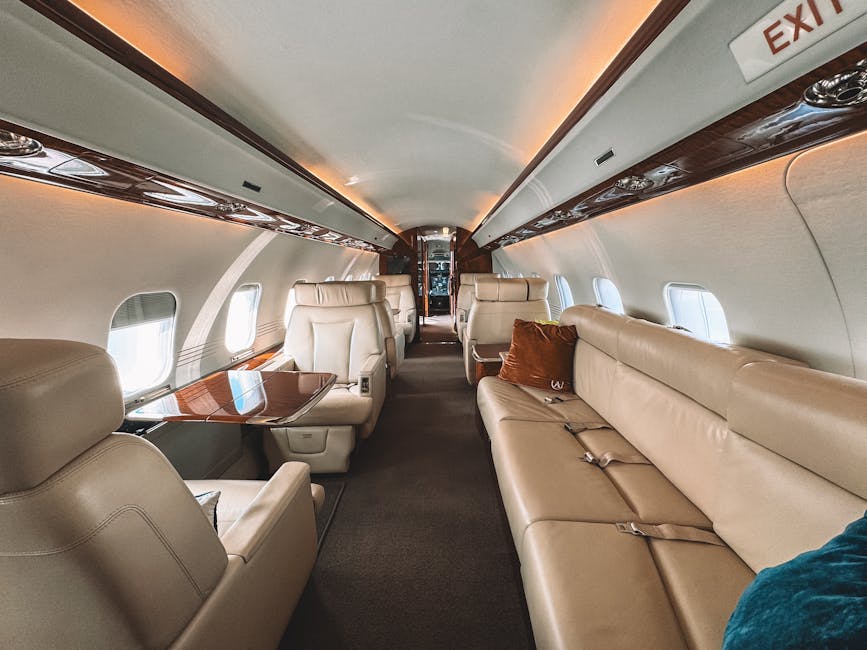
A 23-day routing typically involves four to six flights of four to eight hours, plus one or two ten-hour legs. That’s manageable if the cabin lets you sleep. Couple of things to ask the operator before booking:
- Are there overnight flights? The well-designed itineraries have none. You should arrive at every stop in the late afternoon or early evening, transfer to the hotel, and sleep in a bed. If the brochure shows red-eye flights between major stops, the operator is saving aircraft hours at your expense.
- What’s the seat geometry? All the major operators advertise “lie-flat” but the actual length varies. The TCS and Four Seasons A321neo-LR seats are 78 inches; the older 757 reconfigurations are typically 72-74 inches. Two inches matters if you’re tall.
- How long is the longest single flight? The Tahiti-to-Australia leg, the Maldives-to-East-Africa leg, and the Marrakech-to-North-America leg are all candidates for the trip’s longest flight. Eleven hours in a flatbed is fine. Fourteen hours is not.
- Where does the jet sit overnight at each stop? Less obvious but more important than it sounds: at some stops the jet repositions to a maintenance airport while you’re in the city, which means earlier wake-ups on departure days. Ask.
The destinations: what you actually see
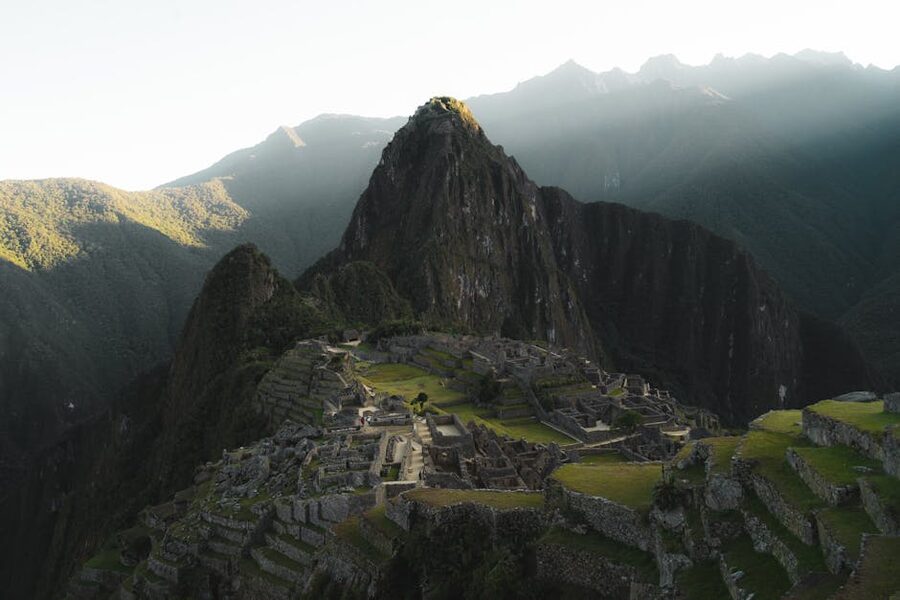
The standard around-the-world routing hits between seven and ten destinations across five continents. The cluster that appears on almost every operator’s flagship tour is: Machu Picchu, Easter Island, the Great Barrier Reef, Angkor Wat, the Taj Mahal, the Maasai Mara or Serengeti, the Pyramids of Giza, Petra, and Marrakech. Some routings substitute Tahiti or Bora Bora for the Reef, Bhutan for the Taj, or skip Petra in favour of Bhutan.
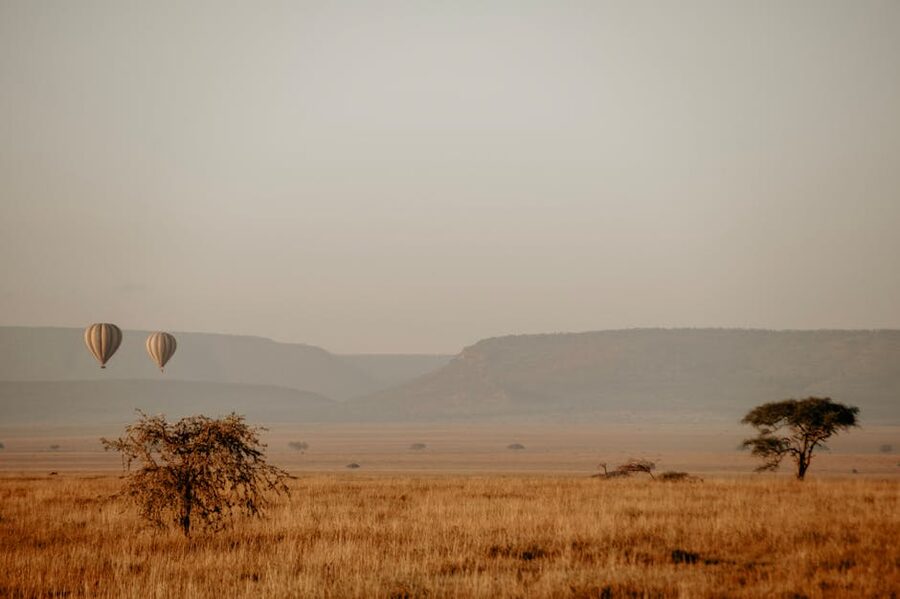
You get two to three days at most stops, including arrival and departure days. That’s the brutal truth of the format. You don’t experience any one of these places in the way you’d experience a week in Cusco. You see them. The Petra visit is sunrise at the Treasury and a long morning walk. The Taj is sunrise at the monument and you’re back at the airport by noon. The Maasai Mara is two days of game drives, one balloon flight at sunrise. If your model of luxury travel is “settle into one place for ten days and learn it,” this format is the opposite of that.

What it does well: scale. You come home having seen a meaningful percentage of the planet’s most famous places in one trip. For a reader who has not seen these things and isn’t sure when they’ll have the chance to do so individually, that’s a real value proposition. For a reader who’s already been to four or five of the listed destinations, the math gets harder, you’re paying full price to be re-shown places you’ve already done well in your own time.
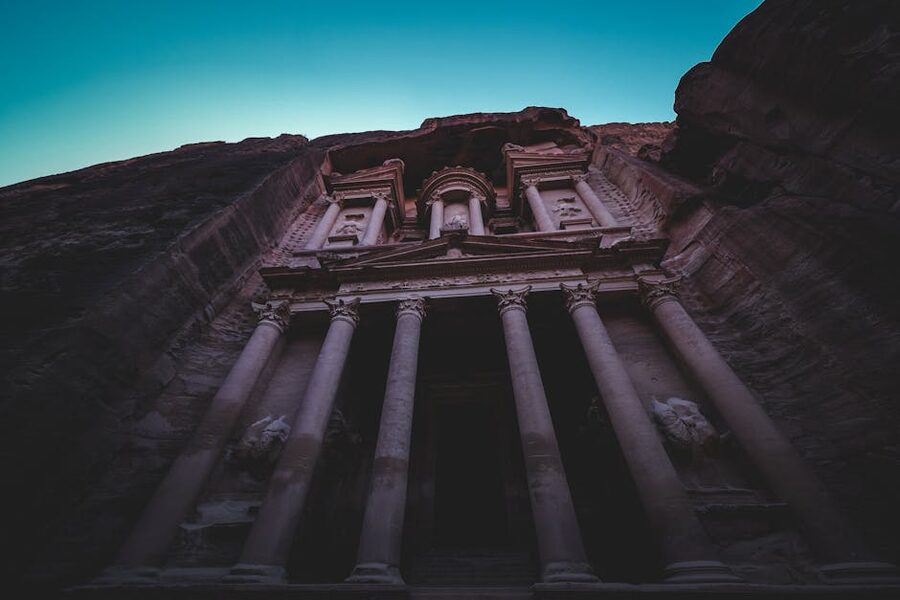
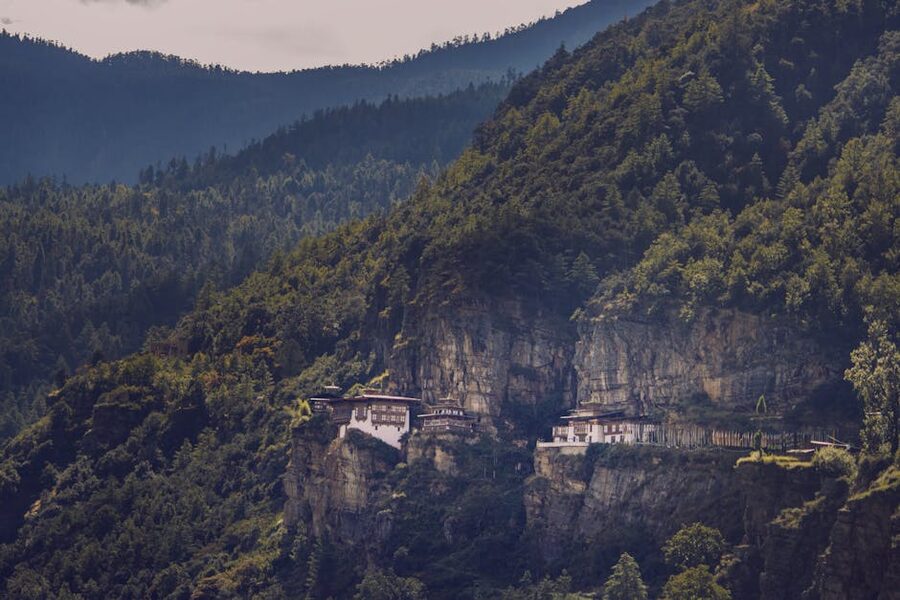
The unusual destinations are where the operator differences show up. Easter Island only really makes sense on a private jet, the commercial flight from Santiago is six hours each way for a place most travellers will never otherwise reach. TCS, Smithsonian and National Geographic all make Easter Island a featured stop; Four Seasons typically doesn’t. Bhutan is similarly hard to add commercially (Paro airport restrictions limit who can fly there), and the operators rotate it in and out of itineraries. If either of these is on your specific list, ask before you book, the routings change yearly.
Inside the typical day on tour

You arrive in a city around 4pm. There’s a transfer to the hotel waiting on the runway, usually a fleet of black SUVs with bottled water and cool towels. Your luggage is already in your room (it travels separately, handled by the journey team). You have time for a shower and a drink before a welcome dinner with the group, which is optional but socially expected.
The next two days follow a pattern. Breakfast at the hotel; a morning excursion (the Tiger’s Nest hike, the Taj at sunrise, the game drive); lunch back at the hotel or a venue arranged by the operator; an afternoon free or with a soft cultural option (a cooking class, a museum tour, a market walk); dinner either at the hotel or at a “special” venue the operator arranges (a 12th-century temple in Angkor, a Berber tent in the Sahara). On the last morning you transfer to the airport, board the jet, and you’re in the next country before lunch.
The optional excursions are where the costs creep. Most operators include the headline activities (the safari game drive, the temple visit) but extras like helicopter rides, dawn balloon flights, and after-hours museum access run anywhere from USD 300 to USD 1,500 per person. On a 24-day trip, expect to spend USD 3,000 to USD 8,000 per couple on optionals if you’re saying yes to most of them. Budget for it.
Who actually books these tours
The actual demographic is 60 to 75, recently retired or semi-retired, second or third premium-tier trip. Many travel as couples, but a noticeable share of the manifest on any given departure is multi-generational, grandparents bringing two adult children and a teenage grandchild, three or four people on a single booking. The number of solo travellers is small (the single supplement is significant and the format is socially intense), but it isn’t zero; some operators waive or reduce the supplement on shoulder departures.
Corporate-incentive groups exist but are less common than they were a decade ago. The trip-friend culture is real. People exchange Christmas cards with their jet-tour group for years afterward; some travel together on subsequent trips. If you’re an introvert who travels to escape people, this format will test you.
If you’re under 60 and physically active, the consistent feedback I’ve heard from younger travellers who’ve done a private jet tour is that the pace is exhausting and the time per destination is too thin. You spend the back end of the trip wishing you’d booked an A&K week in Bhutan or a Cazenove+Loyd safari instead. That’s not a knock on the format; it’s a knock on the format for that reader.
The case for the format
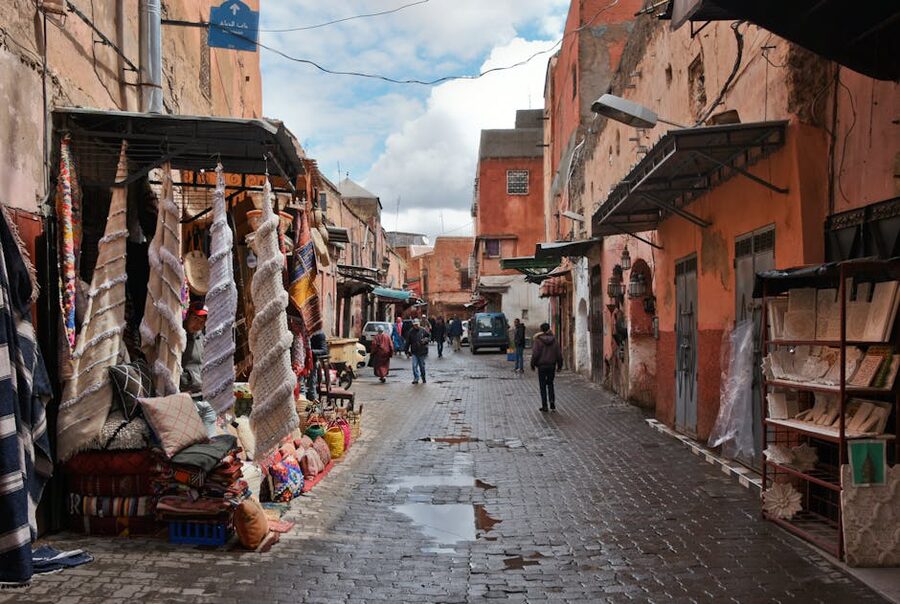
The argument for these tours is mostly an argument about time. You see seven world wonders in three weeks instead of seven separate trips over a decade. After the first city, you don’t deal with another airport check-in line, a security queue, a customs hall, or a luggage carousel. The hotels are already in your name when you arrive. The car is waiting on the runway. There are interesting people on the plane who become friends. Someone else handles every logistical decision and you wake up each morning thinking only about what you want to see.
For travellers in the right life-stage and the right situation, a milestone anniversary, a 70th birthday, a once-only multi-generational trip with parents who’ve reached the age where they don’t want to do their own logistics, this is exactly the right product. The operators have been refining it for forty years. It works.
It also works when the alternative is no trip. If you’re in the right financial situation but limited on time (still working, only six weeks of leave a year, can’t take seven separate two-week trips over the next decade), an around-the-world jet tour collapses what would be ten years of premium travel into one three-week window. There’s no other way to see the same number of places at this comfort level in the same calendar.
The case against
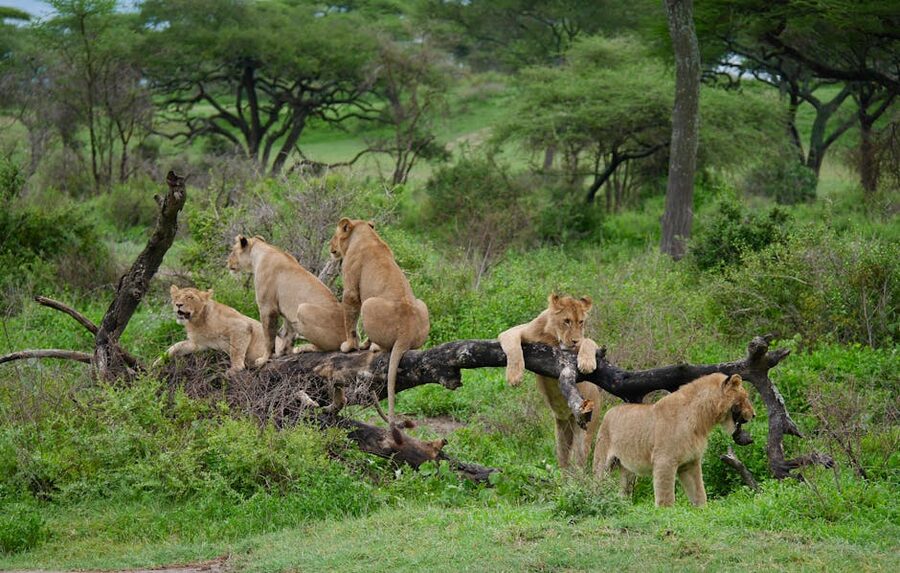
The argument against is also mostly about time, but the other side of it. Two-and-a-half days per destination is not enough time to know a place. You leave Cusco having seen Machu Picchu but not having sat in the plaza for two evenings. You leave Cambodia having seen Angkor Wat but not having taken the day trip to Beng Mealea. You leave the Maasai Mara having seen lions but not having spent a full week tracking the migration. If your idea of luxury travel is depth, settling into a place long enough that the staff at the hotel know your name and the local restaurant becomes your local restaurant, this format is the architectural opposite.
The cost-benefit argument is the harder one. USD 200,000 per person buys you 23 days. The same money buys you six or seven separate luxury operator trips spread over five years, each one giving you 7-10 days in a single region with the depth that around-the-world trips skip. Run the comparison: 23 days of jet tour, or a week in Bhutan, a week in Kenya, a week in Patagonia, a week in Japan, a week in Croatia, and a week in the Maldives, all at the highest tier of operator? Most luxury travellers I’ve spoken to who’ve done both prefer the latter.
The fixed-itinerary problem is real too. You can’t substitute a stop. If the routing includes Cairo and you’ve already been to Cairo three times, you’re still going to Cairo. If the routing skips Bhutan and Bhutan is the one place you’ve always wanted to see, the tour can’t add it. The operators are upfront about this, these aren’t custom trips, but it limits the format to readers whose travel wishlist happens to overlap with the operators’ standard routes.
The realistic alternatives
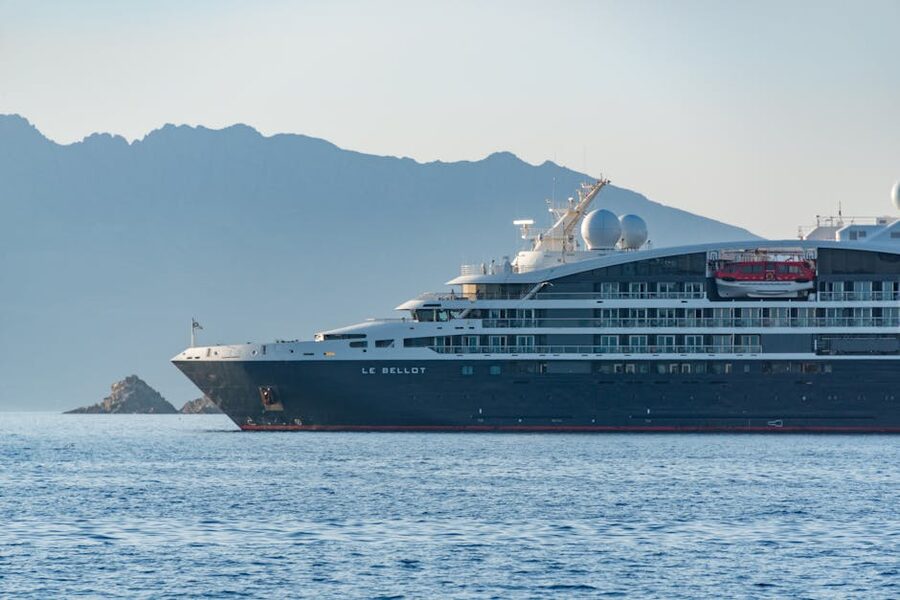
Most readers who genuinely consider a private jet tour and then don’t book end up doing one of these instead. They’re worth knowing about even if you do book the jet, because they’ll come up in your travel planning over the next few years.
The luxury operator series
Book A&K for Bhutan one year, Cazenove+Loyd or Steppes Travel for an East Africa safari the next, Original Travel for Patagonia the year after, Imagine Travel for Japan the year after that. Build to your own pace. Each individual trip costs USD 25,000 to USD 60,000 per person; over five years you’ll have done five regions in genuine depth for the same total spend as one private jet tour. The downside: it requires more individual planning effort and more individual leave from work.
The small-ship expedition cruise
Silversea, Ponant, Scenic Eclipse and Seabourn all run 14-day expedition itineraries to Antarctica, Patagonia, the Galapagos, the Russian Far East and the Indonesian archipelago. Pricing is USD 30,000 to USD 60,000 per person for 14 nights at suites-only operators. The format is comparable in many ways, small group, professional expedition staff, every logistics detail handled, but you go deep in one region rather than skim across continents. If the part of a private jet tour that appeals is the lectures and the privileged access more than the hopping between continents, an expedition cruise gives you that for a third of the cost.
The chartered yacht
For comparable budget (USD 150,000 to USD 300,000 for a private boat for two to three weeks for up to eight people), you can charter a sailing or motor yacht in the Mediterranean, the Caribbean, French Polynesia, or the Indian Ocean. This is a fundamentally different experience, slower, more private, you live on the water, but for couples or families who want the same level of staff-to-guest ratio without the schedule of a fixed itinerary, it’s the closest comparable in cost.
The around-the-world commercial trip
For a fraction of the price, you can build your own around-the-world itinerary on commercial flights. The Travel Babbo analysis from a few years back priced an equivalent Four Seasons-route trip at USD 26,000 to USD 35,000 per person in business class, roughly 20% of the private jet cost, for 22 days hitting the same hotels. The catch is logistics: you’ll spend hours in airports, some of the routings (particularly Beijing-Maldives or Maldives-East Africa) involve brutal connections that no sane traveller would choose, and you do all the work yourself or you hire a travel designer to do it for you. But for many of the hotels Four Seasons books for the jet trip, you can sleep in the same suite for a sixth of the price.
How to actually book one (if you’ve decided to)

The mainstream operators sell direct (Four Seasons through their Private Jet team, A&K through their advisors, TCS through their consultants), but you can also book through a SmartFlyer or Virtuoso travel advisor, same price to you, the advisor’s commission is paid by the operator. A good advisor adds value because they’ve placed clients on multiple departures and can tell you which ones run with which guides, which itineraries had the best balloon weather, and which hotels are mid-renovation.
Lead time is 12 to 18 months for the popular departures. The Four Seasons program sells out faster than the others, particularly the spring-shoulder departures with the most pleasant weather across the route. Deposits are typically 25-50% at booking with the balance due six months out. Travel insurance is a non-trivial expense at this trip cost, premium plans for a USD 200,000 trip run USD 8,000 to USD 12,000, and is worth buying.
If you have flexibility on the routing, the right move is to look at the operators’ upcoming three or four departures in parallel. The same operator runs different itineraries each season; the destinations and the hotels on offer change. Pick the routing that hits the destinations you haven’t seen rather than defaulting to the next available departure.
The right reason to book it
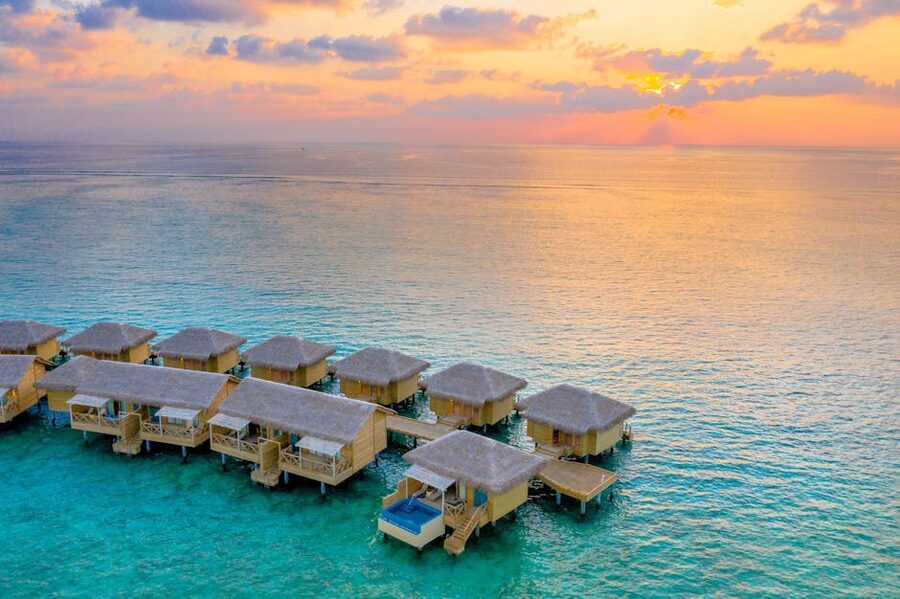
I’d book a private jet tour for one of three reasons. A milestone, 70th birthday, golden anniversary, retirement that’s been earned over a 40-year career and deserves something you can’t easily organise yourself. A multi-generational trip, three generations on one booking, where the grandparent absolutely cannot be doing their own logistics and the children won’t have this opportunity again. Or a specific situation where time is the binding constraint, you have three weeks of leave and the rest of your life will not give you another stretch like it.
I’d not book one as a first big-ticket trip. The tours are designed for travellers who already know the difference between a Belmond and an Aman, who already know whether they prefer East Africa to Southern Africa, who already know whether they sleep well on planes and whether they enjoy group dining for three weeks straight. Find that out on a USD 30,000 trip first.
And I’d not book it for the Instagram. The photos look astonishing on the operators’ brochures. The actual experience is a three-week marathon of early starts, time-zone changes, and the social work of sharing meals with the same 50 people for a month. That’s a real and sometimes wonderful thing. It’s not a passive luxury holiday.
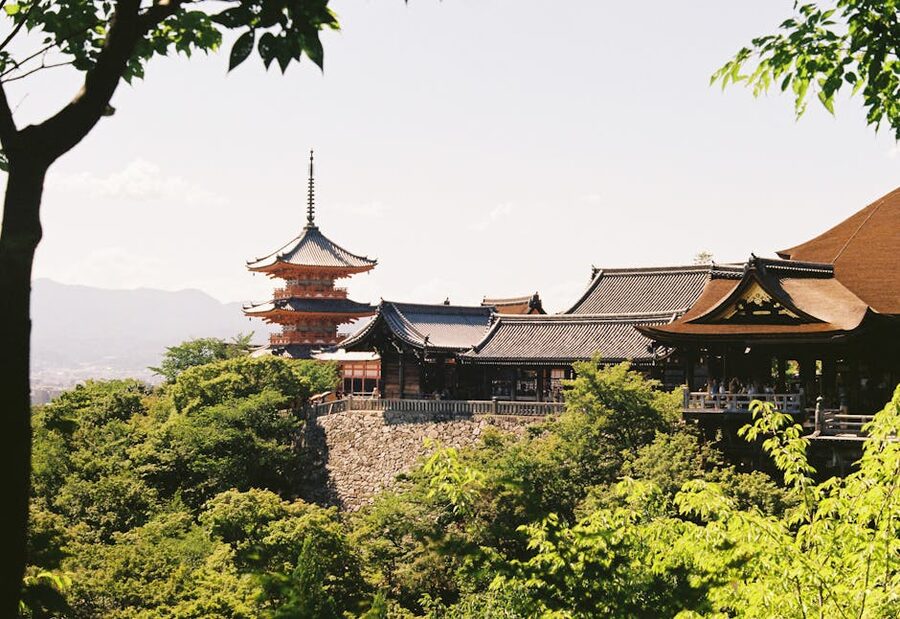
If you’ve read this far and you’re still thinking yes, book A&K’s Geoffrey Kent for the most interesting routing, Four Seasons’ International Intrigue for the most polished cabin and hotel experience, or TCS’s October departure for the closest thing to a definitive seven-wonders trip at the lowest price point of the three. Whichever you pick, request the brochure, ask the operator for the full inclusions list (some itineraries include things others charge for as extras), and have your travel advisor or someone who’s done one of these tours read the fine print before you sign.
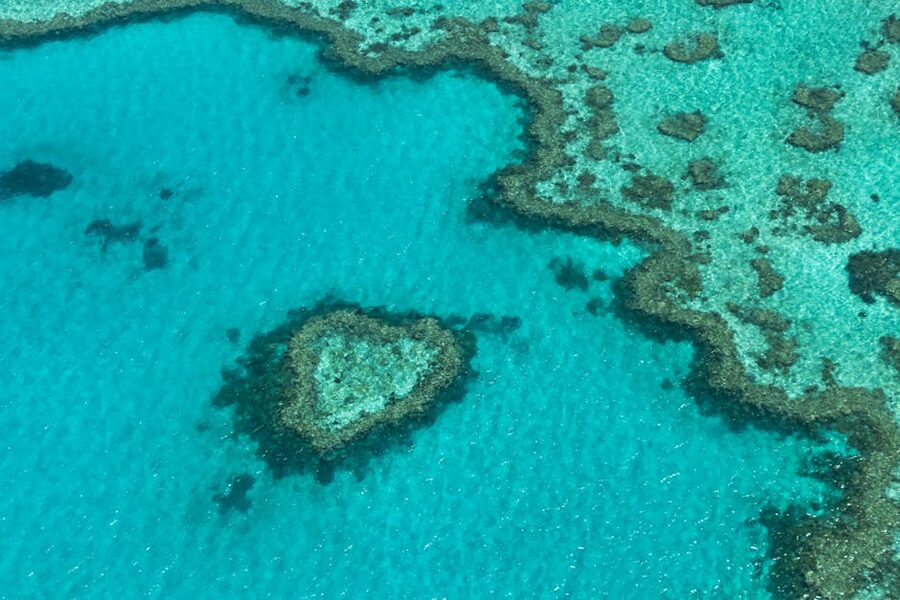
And keep the brochures from the operators you don’t book. They’re useful as a destination wishlist over the next decade, even if you end up putting the seven wonders together your own way.
For more on the broader category, the Private Jet Tours section of this site collects the operator-by-operator deep-dives and the regional jet itineraries (India, Myanmar, the Pacific). For two complementary destinations that often appear on the around-the-world routings as cluster days, see the Lebanon guide for Beirut, Byblos, and the Bekaa wineries (a stop a couple of operators are now considering for boutique routings), and the Luxury Croatia guide for the cluster of stops some European-themed jet tours now include in the Adriatic.