Em Sherif on a Friday night in Achrafieh, the meze coming out in the order it has for thirty years: tabbouleh first, then hummus, then the warm dishes, the bread arriving without you asking. Around the table, a mix of Lebanese diaspora back for a wedding and three couples who have flown in from London despite the State Department advisory. Outside, the bars in Mar Mikhael are full again. The 2020 port blast happened a kilometre away. The country has been through three more crises since. And on a good night in Beirut, you would not know.
This is a guide for the traveller who has been watching Lebanon from a distance, knows the headlines, and wants to know what is actually still here. Most luxury operators that worked the country for decades have either suspended their programs or shrunk to a handful of trusted local fixers. The grand-dame hotels are open. The Roman temples at Baalbek are mostly accessible (with one significant asterisk I will get to). The Bekaa vintners are pulling vintages out of a chronically broken country with the same insistence Serge Hochar showed during the civil war. The version of Lebanon you can travel through right now is smaller than it was. It is also, I think, more rewarding.
This is the version of the guide a friend would write you. It assumes you know the basics. It tells you what’s currently real, where the lines are, who to actually book through, and what to skip. If your default mental model is still “Lebanon, colourful crossroads of cultures,” you can put this down. If you are someone for whom the trip is a real possibility and you want to know how it actually works in 2026, keep reading.
In This Article
- Where the country actually stands right now
- Where the real luxury still operates: Beirut
- Hotels that stayed open and are still operating
- Mar Mikhael, Gemmayzeh and the comeback nobody expected
- Em Sherif, and what the meze ritual actually involves
- The Corniche and Pigeon Rocks at sunset
- The National Museum: a small museum doing big work
- Byblos, the one historical town you have to make
- The Bekaa Valley, the wineries, and the Roman complex you may not be able to see
- Three wineries, and why this region matters
- Baalbek: read this carefully
- The cedars and the mountain forests
- Beiteddine Palace and the Chouf mountains
- Anjar: the forgotten Umayyad city
- Tyre and Sidon, on the south coast
- The food, in more specific terms
- How to actually book this trip
- The travel insurance problem
- When to go and when not to
- What I would not do
- The case for going anyway
Where the country actually stands right now
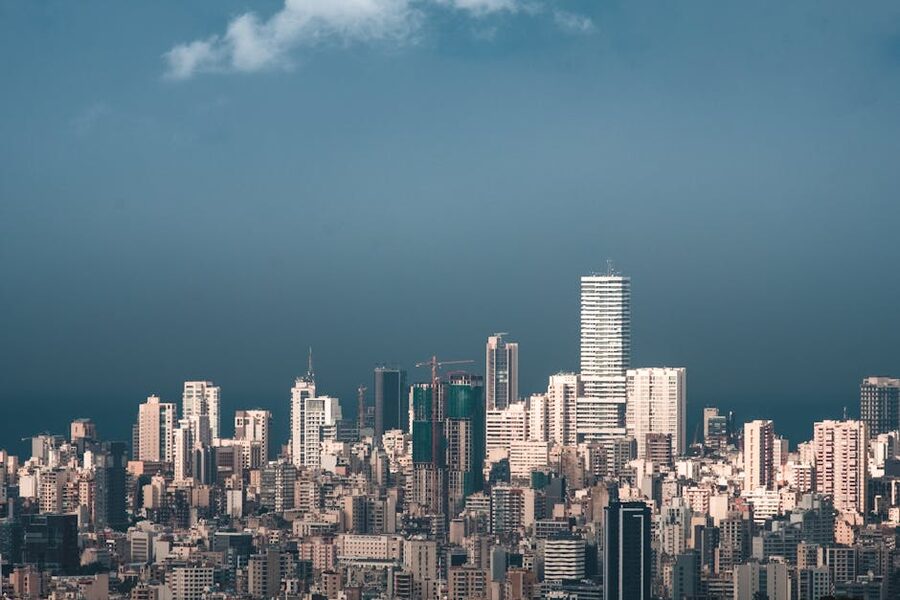
The U.S. State Department travel advisory for Lebanon has been at Level 4 (“Do Not Travel”) continuously since well before the 2024 Hezbollah-Israel escalation, and as of the U.S. Embassy Beirut security alert in early April 2026, it has not been downgraded. That is the legal frame. The practical frame is more layered. Beirut, the Chouf mountains, Byblos, the Qadisha Valley, the central Bekaa wineries, and the mountain heart of the country are operating something close to normally for travelers who are paying attention. The southern border zone, the southern Beirut suburbs (the Dahieh), and the Hezbollah-administered areas of the Bekaa east of the Damascus highway are not. Tyre and Sidon, both of which sit closer to the south, swing in and out of accessibility depending on the news cycle. Baalbek (more on this below) is a moving target you must verify on the day, not from a guidebook.
The single most important thing I can tell you: this is not a country to wing. You don’t show up in Beirut with an open ticket and a backpack the way you might in Athens. You arrive with a fixer’s number in your phone, a hotel that monitors what’s happening in real time, a willingness to drop a planned day trip on the morning of, and travel insurance that actually covers Lebanon (which, since Lebanon is at Level 4 for most major underwriters, is harder than it sounds; I’ll come back to this).
Where the real luxury still operates: Beirut
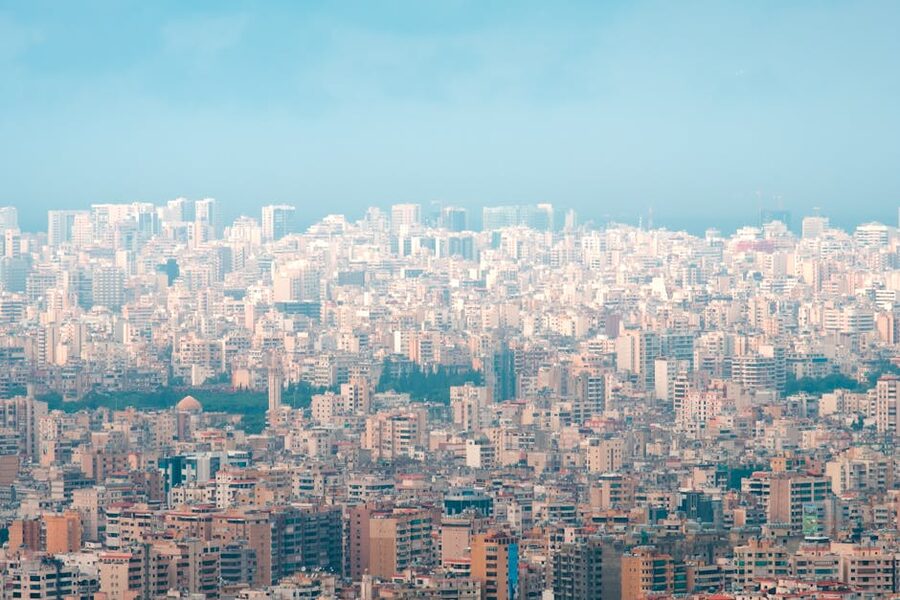
Beirut is a small city pretending to be a large one. The whole bowl from the Corniche to the eastern hills is maybe 20 square kilometers, and the part you’ll actually spend time in is much smaller than that. You can be at the Phoenicia for breakfast, walking the Corniche by ten, in Mar Mikhael for lunch, at the National Museum by three, and back in your room before evening prayers without ever feeling rushed. That intimacy is part of what makes the city work.
Hotels that stayed open and are still operating
Phoenicia Beirut is the obvious choice and remains the obvious choice for a reason. It sits at the western edge of downtown on the Corniche, the rooftop pool looks straight out at the Mediterranean, and the staff have an institutional memory that goes back to before the civil war. It is large (a little impersonal in the lobby), but the suites on the upper floors are quietly excellent, and the hotel’s relationship with the city’s high-end concierge network means you get help with things smaller hotels cannot arrange. Rates currently run $280-$450 a night for a deluxe room, with the harbor-view suites $700+. Check availability on Booking.com.
Albergo Hotel in Achrafieh is what I’d actually recommend if you’re traveling as a couple and you care about character over square footage. It’s a 33-room townhouse hotel in a 1930s mansion, family-run, with a rooftop restaurant that overlooks the eastern half of the city. The rooms are individually furnished (some are tiny, some are vast – ask), the bathrooms are old in the good way, and the breakfast involves the lady of the house. Rates are $250-$400. It’s a Relais & Châteaux property, which is the right reference point. Check the Albergo on Booking.com or via Relais & Châteaux directly.
Le Gray, in downtown across from the parliament, was severely damaged in the 2020 port blast and went through a long restoration. As of this writing, it has reopened in stages and is operating, though some of the upper suites and the rooftop pool deck have rolling availability. It’s worth asking specifically about a recently renovated room when you book; the pre-blast rooms were the design feature. Le Gray on Booking.com.
Smallville Hotel in Badaro is the modern boutique option, popular with the design and architecture crowd, with one of the better hotel restaurants in the city (The Smallville Lounge). Less storied than the Phoenicia or the Albergo but sharper and quieter, and Badaro is one of the neighborhoods that has gentrified well. Around $180-$280 a night. Smallville on Booking.com.
What’s missing from this list, by design: the southern-suburb hotels, anything in Dahieh, and the Holiday Inn (which has been a bombed shell of itself since 1976 and is unlikely to ever reopen, though it remains the most photographed building in the city). Don’t book anywhere south of Cola roundabout.
Mar Mikhael, Gemmayzeh and the comeback nobody expected
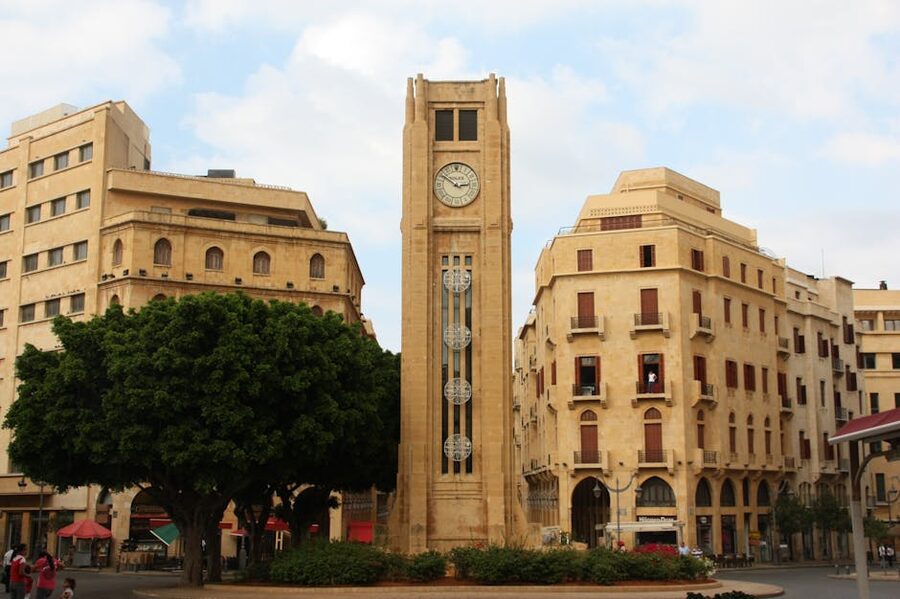
The August 2020 port explosion hit Mar Mikhael and Gemmayzeh harder than any other neighborhoods. The blast wave came up Armenia Street, took out windows for blocks, and gutted some of the bars and restaurants the city was best known for. What I didn’t expect, and what surprised even the locals, was how fast Mar Mikhael came back. By 2022 most of the bars were open again. By 2024 there were new openings. As of 2026, the strip is operating, though noticeably quieter on weeknights and emptier of foreign visitors than it was pre-2019.
What’s currently open and worth your time: Anise for cocktails (small, dimly lit, the bartender takes the long version of the question seriously); Vyvyan’s for the Sunday-afternoon-into-evening crowd that doesn’t change much; Locale for a meal that costs less than it should; and Train Station, which is the closest thing the strip still has to its pre-blast identity. Avoid the rooftop bars that prioritize Instagram traffic over drinks; you can spot them by the bouncer and the line.
Gemmayzeh, the neighborhood immediately west of Mar Mikhael, is more residential and less club-focused – it’s the right place to base if you want walkability without late-night noise. The two run together; you can spend a long evening drifting from one to the other on foot.
Em Sherif, and what the meze ritual actually involves
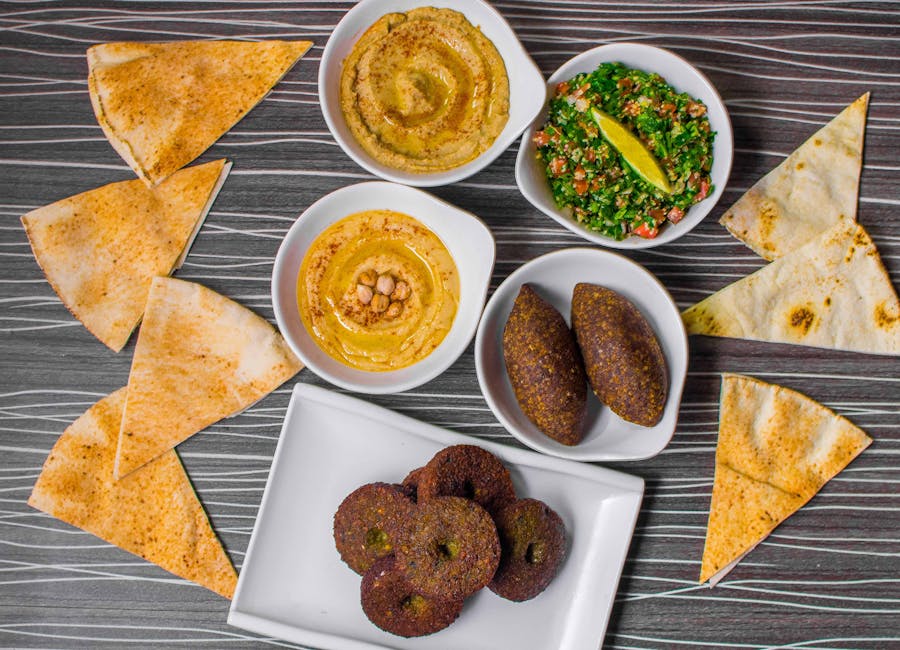
If you do one dinner in Beirut, do it at Em Sherif. Mireille Hayek opened the original on Damascus Street in 1995 and the restaurant has been the reference point for upper-end Lebanese cooking ever since. There is no menu. You sit down, you say what you don’t eat, and they bring you the meze in waves. The meal takes three hours. By the end, you’ve had something close to thirty dishes, ending with a single perfect kibbeh nayyeh and a shower of sweet trays you mostly cannot finish. Reservations are essential, especially on weekends; budget $120-$160 a head with wine. The newer offshoots (Em Sherif Café, Em Sherif Sea, the London branch) are good but the original is the original.
If you want something more relaxed and equally Lebanese, Liza in Achrafieh occupies a converted 1900s palazzo and pours one of the best wine programs in the country. Tawlet in Mar Mikhael is the activist counter-argument: a daily-changing buffet of regional Lebanese cooking made by women from villages across the country, the menu rotating by the cook of the day. It’s lunch only, $35 a head, and it tells you more about what Lebanese food actually is than any white-tablecloth meal will.
One note on the meze ritual that nobody tells you: the bread shows up first, then cold dishes (hummus, baba ghanouj, labneh, moutabal), then the salads (tabbouleh, fattoush – proper tabbouleh is more parsley than bulgur, the Beirut version, never Aleppo’s), then the warm small plates, then grilled meats, then the dessert tray. Don’t ask for hot food in the first half hour. The order is the meal.
The Corniche and Pigeon Rocks at sunset
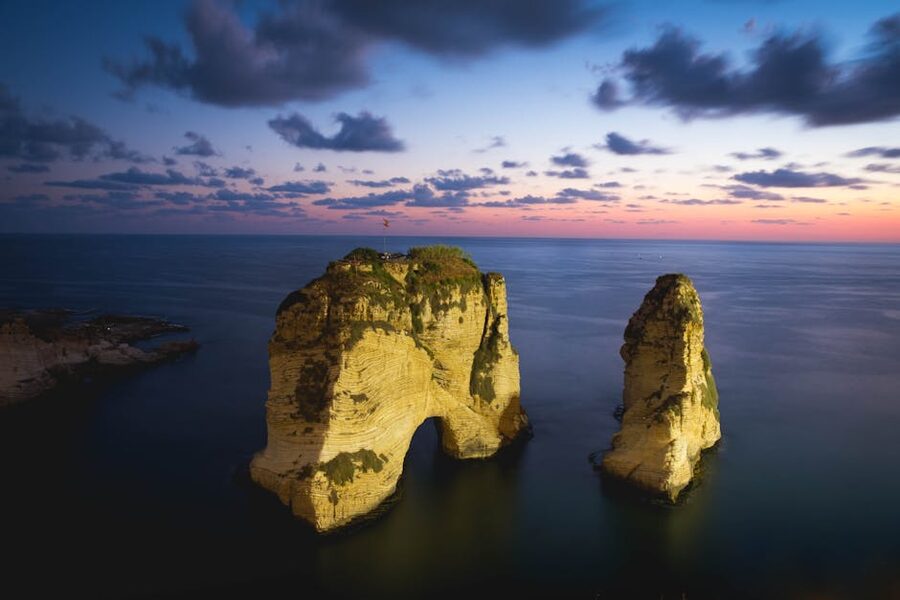
The Corniche walk from the St. George marina past the Pigeon Rocks at Raouché is the single most reliably pleasant hour in Beirut. Go at sunset. The promenade fills with families, joggers, men playing tawla on stone benches, and the occasional argileh seller. The Pigeon Rocks themselves (the locals call them Sakhret el-Raouché) are two natural arches in the Mediterranean directly off a clifftop café strip; they’re the postcard image and they earn it. Have a coffee at one of the cliff cafés (Bay Rock or La Plage), look at the sea, and let the city do the rest.
The National Museum: a small museum doing big work
The Beirut National Museum is the country’s master class in restoration. During the civil war it sat directly on the Green Line – the museum’s basement was used as a sniper’s nest, the collection sealed in concrete to survive – and the post-war reopening required restoring artifacts that had been variously bombed, soaked, and entombed. The collection is small (Phoenician sarcophagi, Byblos goldwork, Roman mosaics), but the way it is presented, with a short documentary about the wartime preservation, makes it the single most affecting museum in the Levant. Two hours. Sundays are free, weekdays are 5,000 LBP (effectively a few dollars at the current black-market rate).
Byblos, the one historical town you have to make
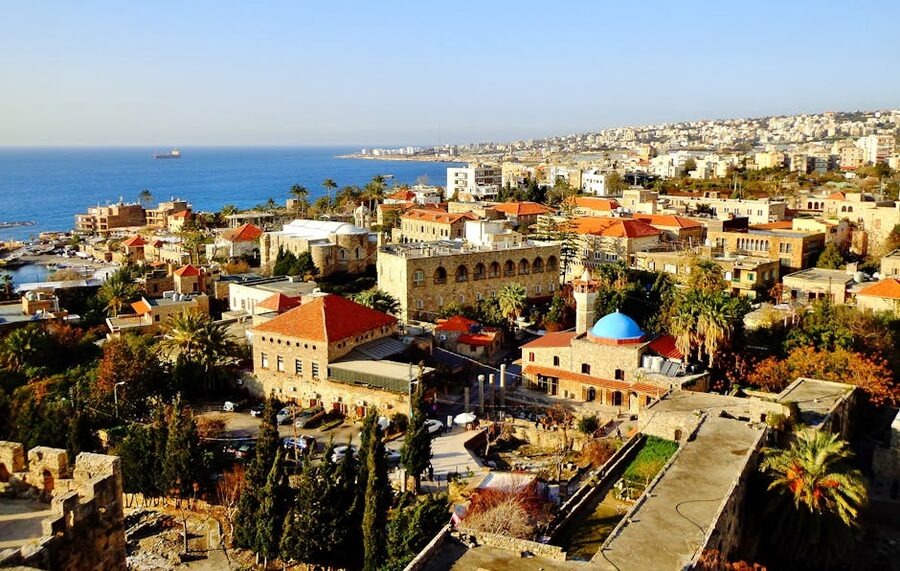
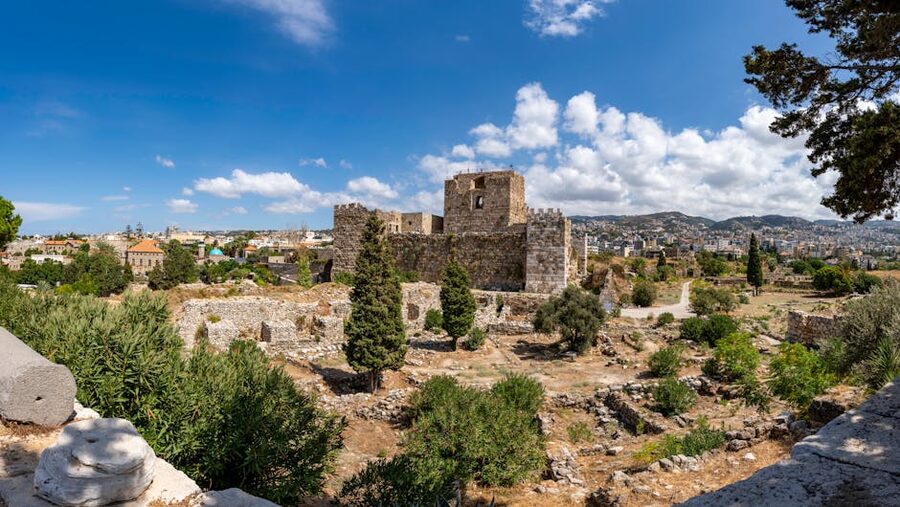
Byblos (Jbeil in Arabic) is 40 kilometers north of Beirut, an easy hour’s drive on the coast road. It is the one historical town in Lebanon I would tell you to make time for if you only have a long weekend. The pitch is straightforward: 7,000 years of continuous habitation, with the Neolithic, Bronze Age Phoenician, Persian, Roman, Crusader, Mamluk and Ottoman layers all visible inside a single half-kilometer walk. There are very few archaeological sites in the world where you can climb a Crusader rampart, descend onto a Roman colonnade, and end up at a Bronze Age temple all in the same afternoon. Byblos is one of them.
The fishing port at the foot of the castle is the postcard, and rightly. Two restaurants there have been running for half a century or more: Pepe’s Fishing Club (the legendary Pepe Abed bar, founded in 1963, with the photographs of Brigitte Bardot and Marlon Brando from the Beirut-as-playground years still on the walls) and Locanda à la Granda, a quieter Italian-leaning kitchen run by the Fadel family. Pepe’s is the experience; Locanda is the better meal. Decide accordingly.
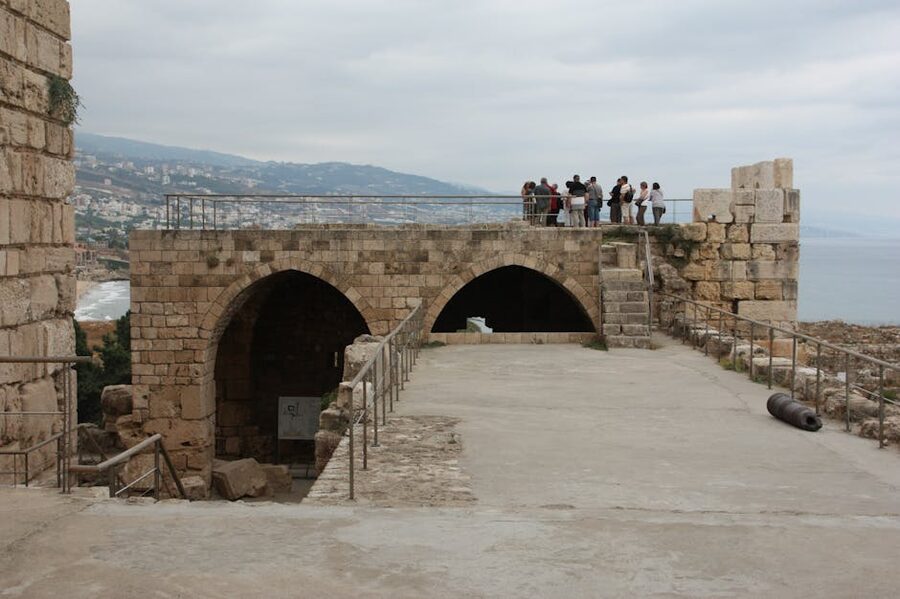
Byblos as a day trip from Beirut works easily; you leave at 9, you’re walking the headland by 10:30, you’ve had lunch at the port by 1, and you’re back in Beirut by 4. If you want to slow it down, the Byblos Sur Mer hotel directly above the port is the one place in town worth a night. It’s a 35-room hotel that has been there since 1962, family-run, and the upper rooms look directly down on the fishing boats.
The Bekaa Valley, the wineries, and the Roman complex you may not be able to see
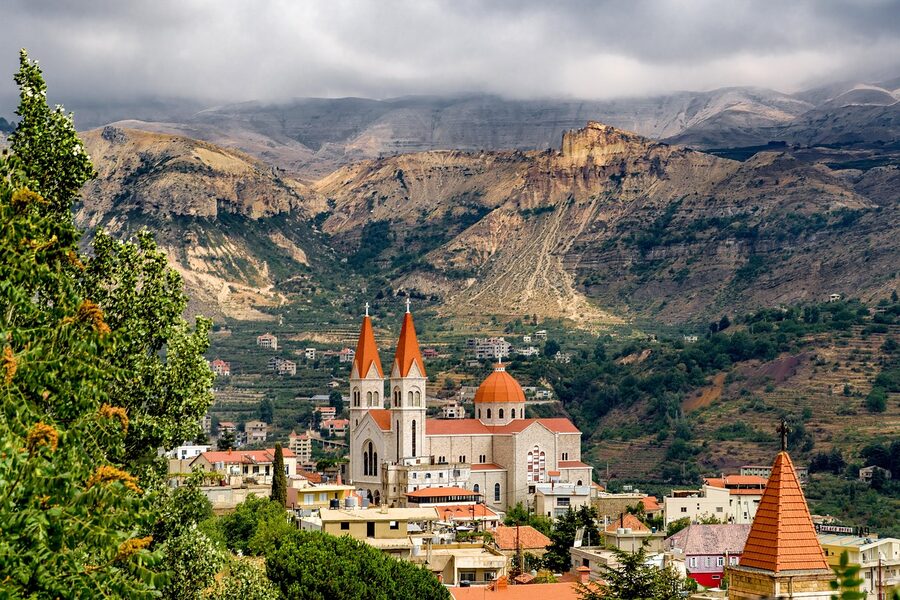
The Bekaa is a wide, flat valley between Lebanon’s two mountain ranges, an hour and a half east of Beirut over the Lebanon Mountains via the Damascus highway. The western Bekaa, around Zahle and Chtaura, is where the wineries live and where most travelers go. The eastern Bekaa, past Baalbek toward Hermel and the Syrian border, is the part the U.S. and U.K. travel advisories specifically warn against and where I would not currently send you without a vetted local fixer.
Three wineries, and why this region matters
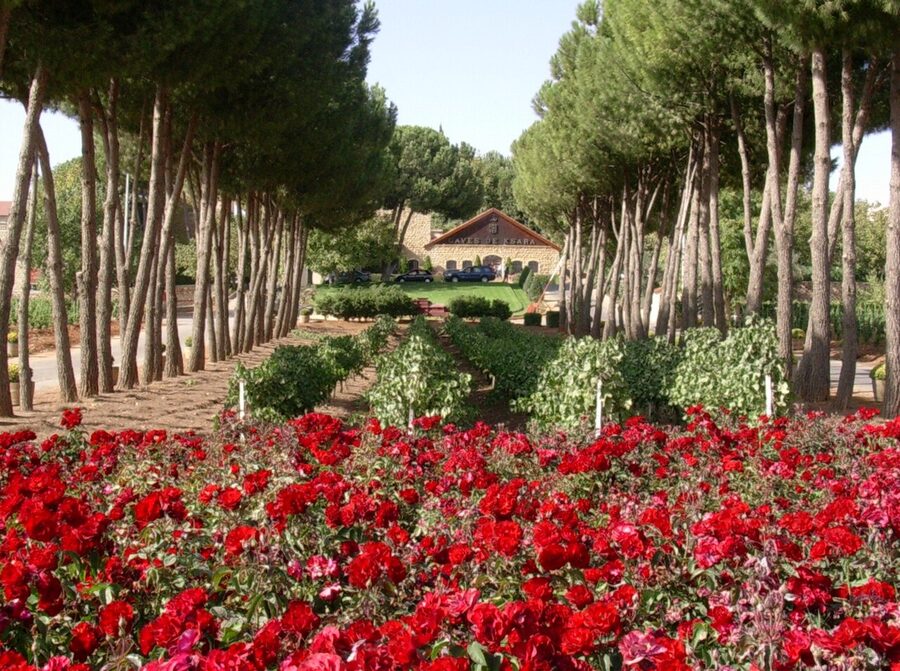
Château Ksara is the entry point. Founded in 1857 by Jesuit monks, it is the oldest commercial winery in Lebanon and produces about a third of the country’s wine. The cellars are converted Roman caves stretching 2 kilometers under the property, naturally cooled, and the tour-and-tasting (around $20 per person, runs daily 9-4, no booking needed for small groups) walks you through the history with a glass at the end. It is the most accessible winery and not the most interesting; treat it as the warm-up.
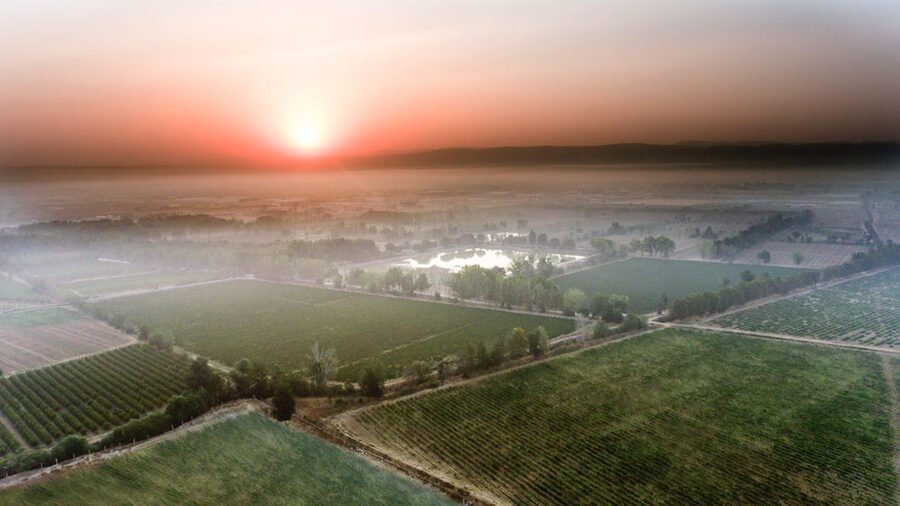
Château Musar is the one wine writers care about. The late Serge Hochar (the second-generation winemaker) became internationally known for refusing to skip a vintage during the Lebanese civil war, even when the grapes had to be trucked through active checkpoints. Musar’s red blend (Cabernet Sauvignon, Cinsault, Carignan) is the most distinctive Levantine wine made – funky, savory, ages for forty years. The estate is in Ghazir, north of Beirut on the coast (not in the Bekaa proper, though the grapes are grown there), and the tasting is by appointment only. Worth the email. The Hochar family still runs it.
Massaya is the modern, more commercial-feeling third option. Founded in 1998 by the Ghosn brothers in partnership with French winemakers from Bordeaux and the Rhône, it makes the country’s most polished Mediterranean-style reds and an arak that is the national drink in liquid form. The tasting at the estate in Tanail (a few kilometers from Ksara) is more polished than Ksara’s and less rigorous than Musar’s, which is the right register for most people.
The point of writing about these three at length is this: making remarkable wine in a chronically broken country, year after year, through a civil war and a financial collapse and a port blast, is a real thing the Bekaa producers do. It is not a metaphor for the country’s resilience; it is a fact about the country’s resilience. Drink the wine where it is made.
Baalbek: read this carefully
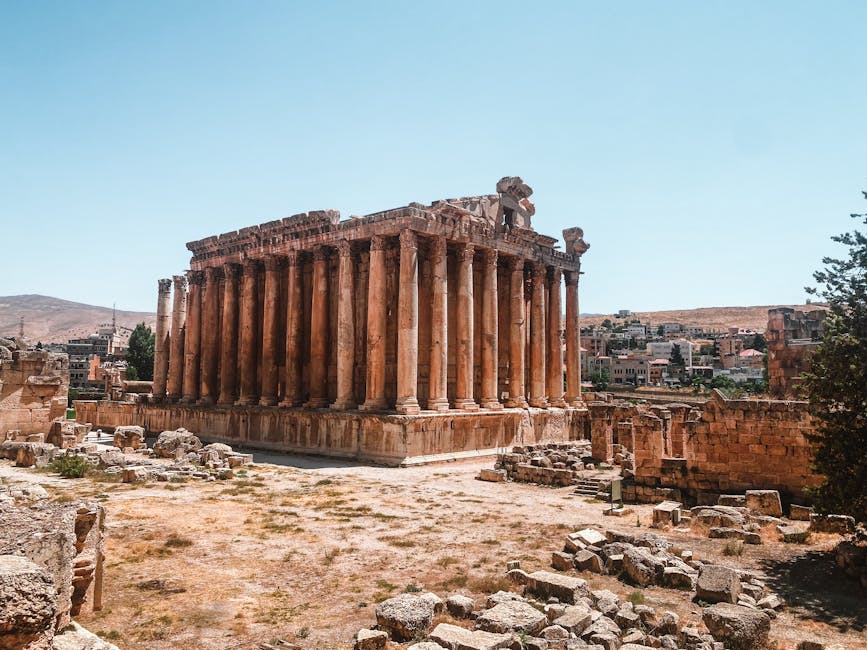
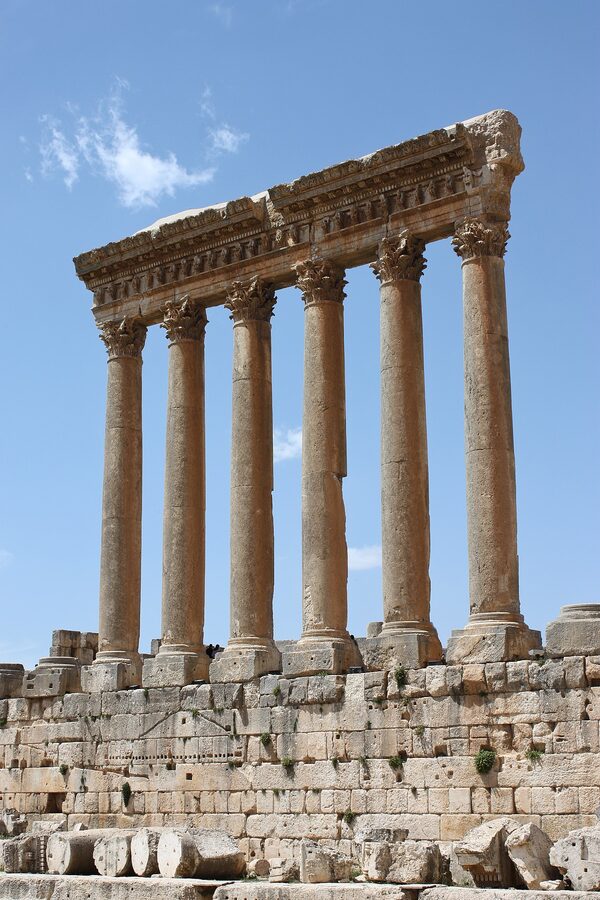
Baalbek is the largest Roman temple complex outside Italy, and arguably the most impressive. The Temple of Bacchus is the most complete Roman temple still standing anywhere on earth. The six remaining columns of the Temple of Jupiter are the tallest Roman columns ever built. If you care about classical architecture, you have to see this place at least once.
And here is the asterisk. Baalbek sits in the central Bekaa Valley in Hezbollah-administered territory. Through 2024 and 2025, access has been on-and-off depending on the security situation. The town was struck several times during the 2024 escalation. As of the time of writing in early 2026, day trips from Beirut are technically running through some local operators, and the temple complex itself was reportedly not significantly damaged, but the road in passes through areas that the U.S. and U.K. embassies specifically advise against. Verify the current situation in the week of your trip with your hotel concierge or a local DMC, not from a guidebook. If the answer is “not this week,” accept it. The temples are not going anywhere; the next safe window will come.
If you do go, go with a driver and guide arranged through your hotel, not on a public bus or a self-drive. Leave Beirut at 7am, be at the site at 9 when it opens, an hour to two hours on the site, and out by 11am. Do not stay for lunch in Baalbek town. Stop at Massaya or Château Ksara for the lunch on the way back. This is the safest pattern.
The cedars and the mountain forests
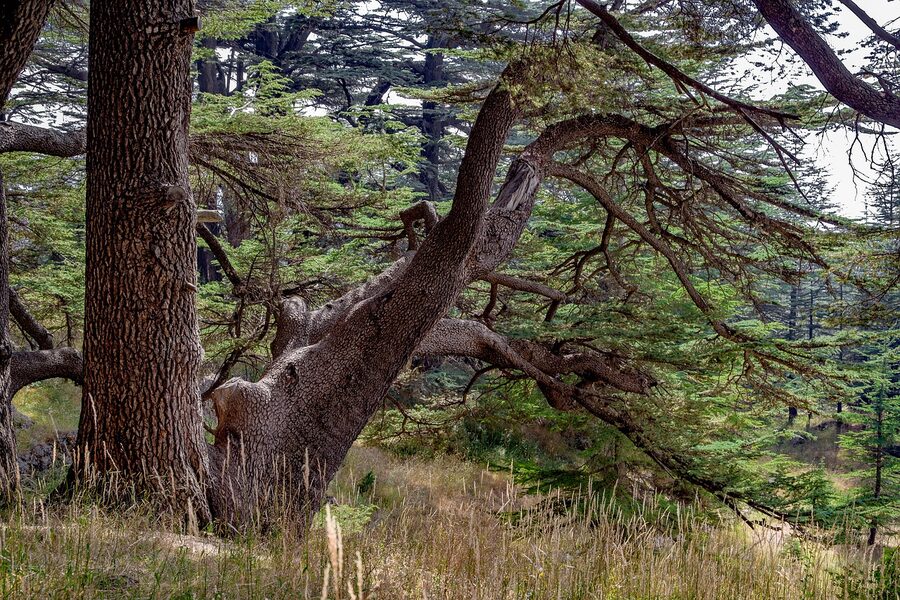
The cedar tree on the Lebanese flag refers to Cedrus libani, the slow-growing conifer that once carpeted the country’s mountains and supplied the timber for the Egyptian and Phoenician navies. What’s left of those original forests is small. There are essentially three groves you can visit: the Cedars of God in Bsharri, the Tannourine reserve, and the smaller Shouf Cedar Reserve.
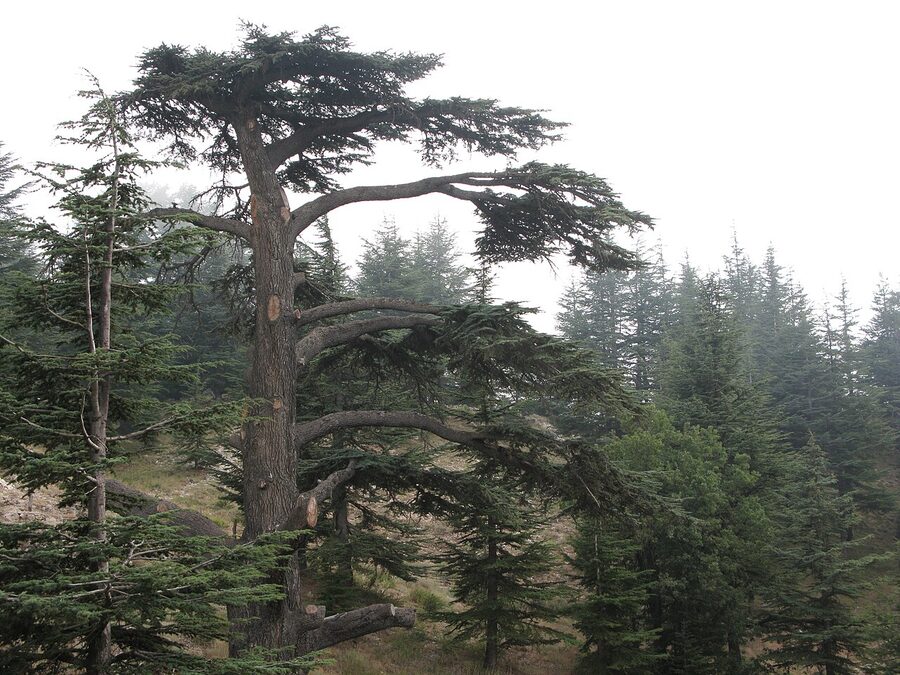
The Cedars of God at Bsharri (sometimes spelled Bcharre) is the famous one. It is also the smallest. The grove is about 12 hectares, contains around 400 ancient trees, and sits at 2,000 meters above sea level next to the Khalil Gibran Museum (Bsharri is Gibran’s hometown; the museum is good, two hours’ worth). It is the Maronite Christian heritage site, it has the gift shops and the parking lots, and on a busy weekend it can feel crowded. Go anyway, but go early.
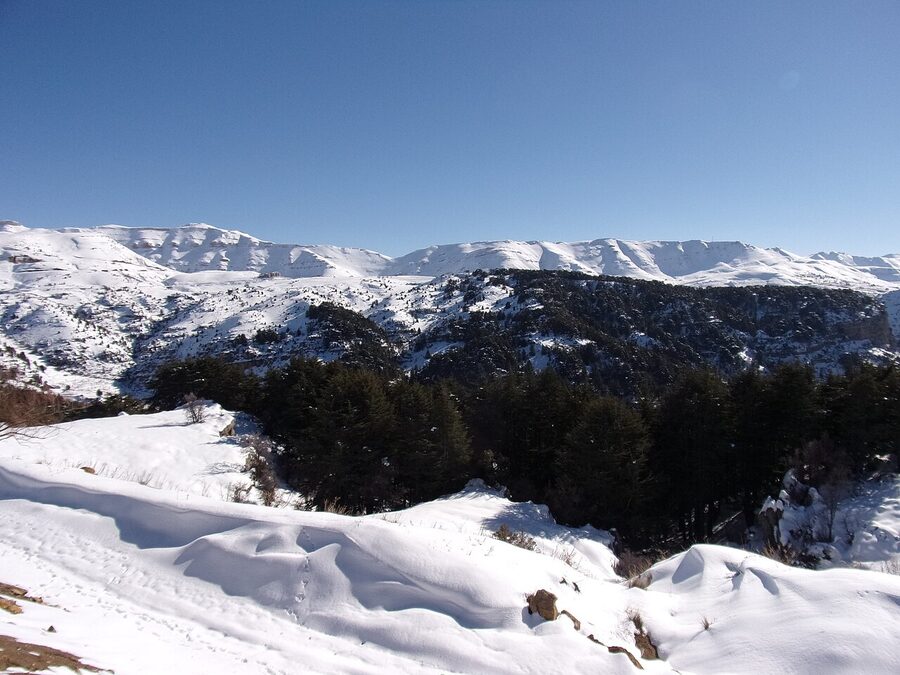
The Tannourine reserve, half an hour south of Bsharri, is the one to go to instead, or in addition. It’s larger (covers 12 square kilometers), it has actual hiking trails through the forest, and the foreign visitor count is approximately zero. If you want a half-day of mountain walking among trees that were standing when the Crusaders arrived, this is it. Entry fee is nominal, the visitor center can suggest routes (there’s a 90-minute loop, a half-day loop, and a hard 6-hour ridge route). Pack water and proper shoes.
The Shouf Cedar Reserve, in the Chouf mountains south of Beirut, is the third option and the easiest day trip from the city. It pairs well with a stop at the Beiteddine Palace (below) and a Druze village lunch.
Beiteddine Palace and the Chouf mountains
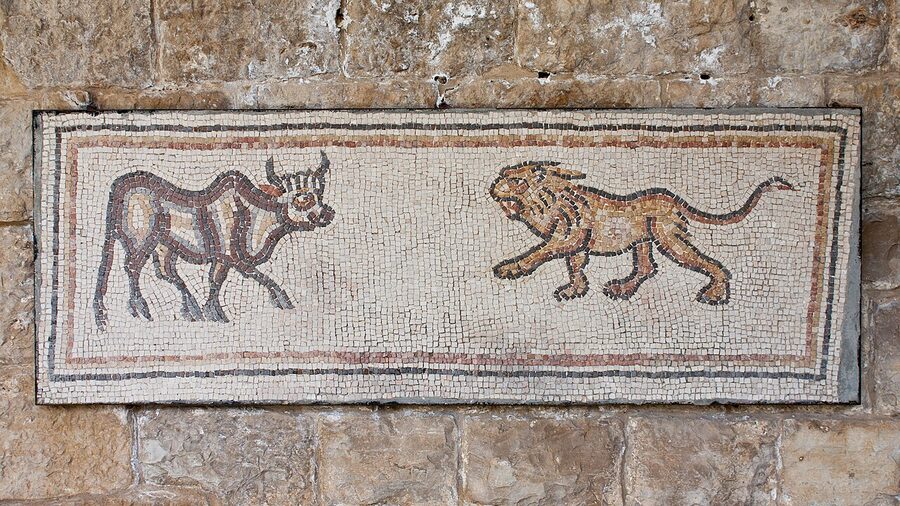
The Chouf mountains, an hour south of Beirut, are Druze country and one of the most underrated day-trip destinations in the country. The center of the area is the Beiteddine Palace, a 19th-century Ottoman-era residence built by Emir Bashir Shihab II, with intricately carved cedar wood interiors, mosaic-floored courtyards, and a hammam complex that’s essentially intact. It takes two hours to walk and is genuinely beautiful, particularly the audience hall and the inner court. Open daily except Mondays, currency-stable entry fee.
Pair Beiteddine with a stop in the village of Deir al-Qamar (10 minutes downhill, a perfectly preserved 17th-century Druze town with a good church and a small square), the Shouf Cedar Reserve (above), and lunch at one of the village mountain restaurants. Mounir in Broumana, on the road back to Beirut, is the legendary mountain restaurant for a long Sunday lunch – Lebanese mezze, mountain views, the kind of place where four hours pass without effort.
Anjar: the forgotten Umayyad city
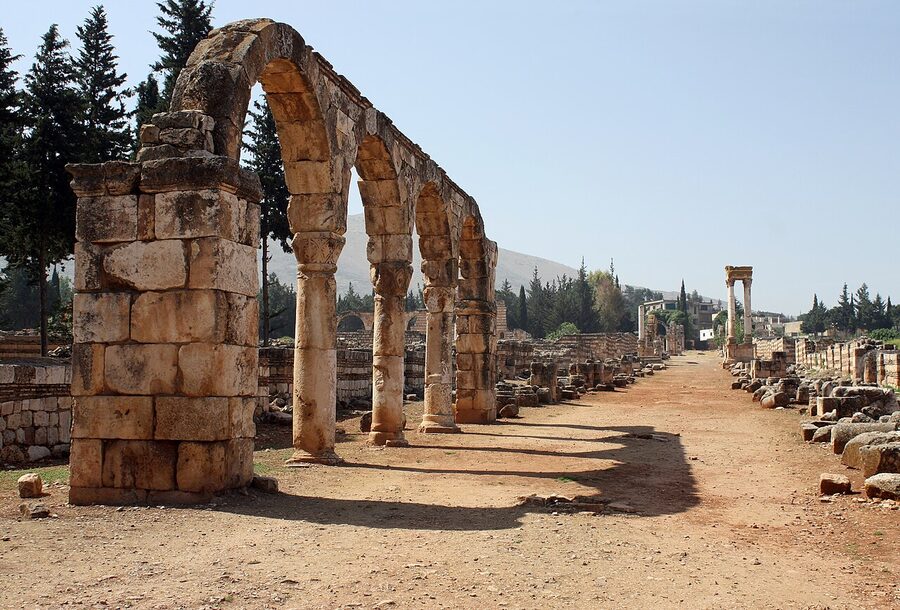
Anjar is the one site nobody talks about and everyone should see. It’s an 8th-century Umayyad city, built by Caliph al-Walid I around 714 CE as a planned summer residence and trading hub, abandoned within about fifty years when his successors lost control of the area, and never built over. What you walk through is the original layout: the cardo and decumanus crossing in a clean grid, the great palace, the small palace, the mosque, the public baths, and the colonnaded streets. Nowhere else can you see Umayyad urban planning preserved as it was conceived.
It’s a half-day from Beirut, easily combined with a Bekaa winery visit. Most tour buses skip it, which is to your advantage. Two hours on the site, including the small museum at the entrance. The site sits in the eastern Bekaa near the Damascus highway, which is one of the reasons it’s quieter than it should be – but it is currently accessible and the road from Beirut runs through Zahle, not through Hezbollah territory. Verify, as always, before going.
Tyre and Sidon, on the south coast
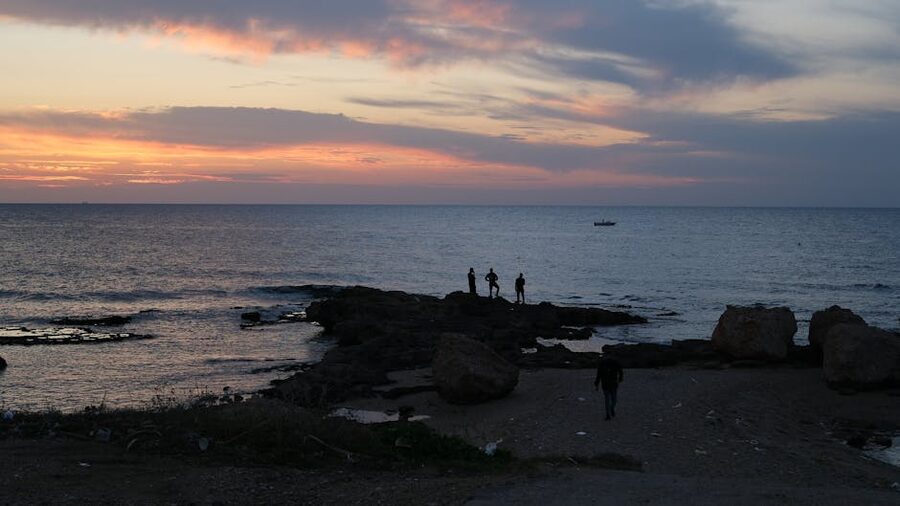
Tyre and Sidon are the two great Phoenician cities of the south. Sidon is 40 kilometers south of Beirut, Tyre is 80. Both have spectacular archaeological sites – Sidon has the Crusader Sea Castle perched on a tiny island just offshore and the medieval khan; Tyre has the Roman hippodrome (the largest surviving Roman hippodrome in the world) and the al-Bass necropolis with its triumphal arch.
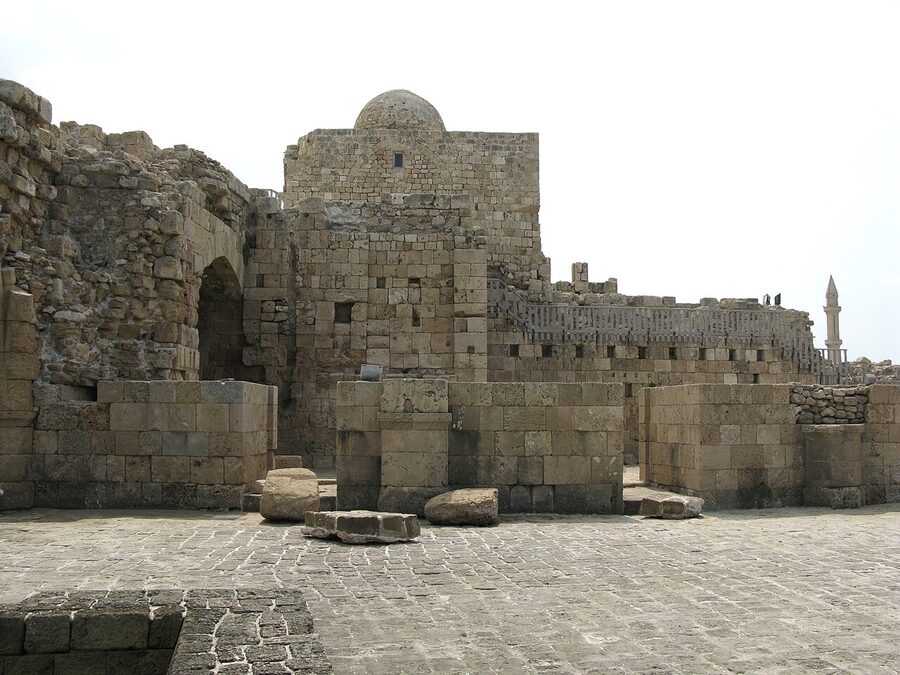
Both cities have, however, been at the center of the south-Lebanon question through the 2024-2025 escalation. Tyre in particular sits within 25 kilometers of the Israeli border and was struck multiple times during the 2024 fighting. As of early 2026, both are technically open to visitors, but the southern coast road is monitored by the Lebanese army and the Israeli air force overhead. The practical read: if the south is calm in the week of your trip, Sidon is doable as a half-day from Beirut and rewarding. Tyre I would only attempt if a trusted local operator confirms it on the day. Do not try to drive past Tyre toward the border. The southern villages – Naqoura, Bint Jbeil, Aitaroun – are off-limits.
The food, in more specific terms
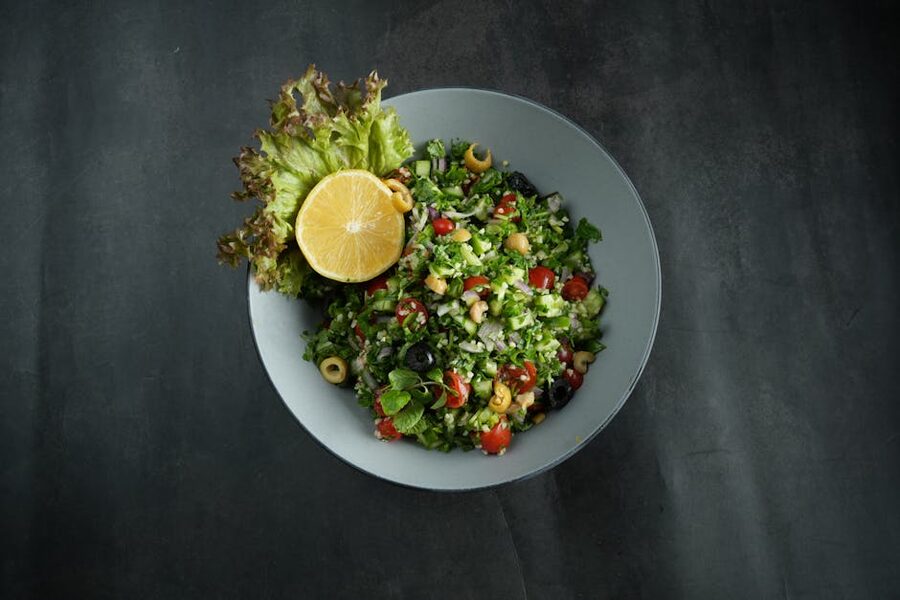
Lebanese cooking is the Levantine cuisine the rest of the region orbits around, and there are a handful of dishes worth knowing well enough to order properly.
Tabbouleh: should be 70% parsley, 20% tomato, 10% bulgur and lemon. The Beirut version is the gold standard. If you order tabbouleh and the bowl arrives mostly bulgur with parsley as garnish, you are eating the Syrian interpretation. Both are valid; only one is Lebanese.
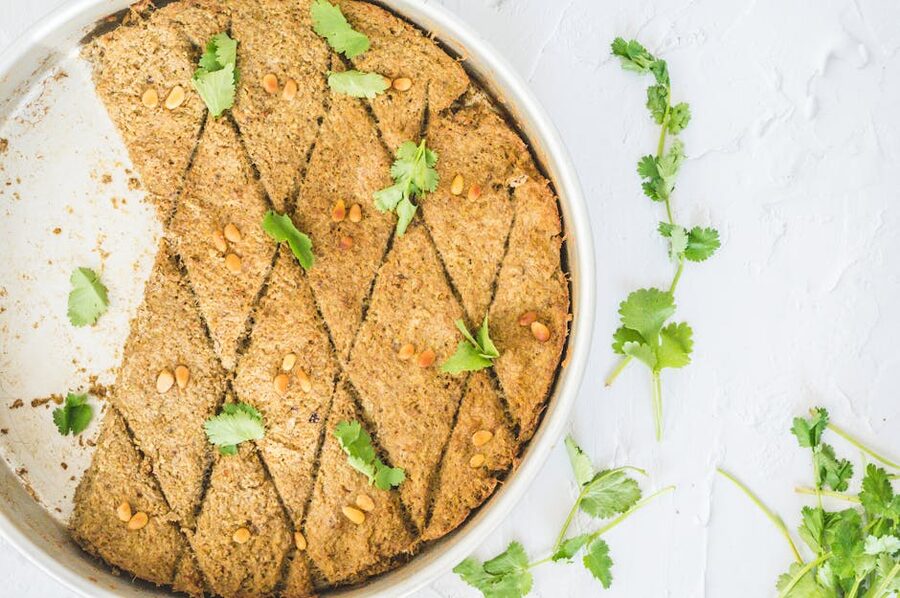
Kibbeh: minced lamb (or beef) and bulgur, in two main forms. Kibbeh nayyeh is the raw version, served as a glossy mound on a plate, eaten with raw onions and olive oil. It is the test of a good kitchen – you cannot fake the freshness or the cut of meat. Kibbeh maqliyeh is the fried croquette version, which is the safer order for nervous Western palates and still very good.
Manakish: the breakfast flatbread, brushed with za’atar (thyme, sesame, sumac, salt) and olive oil before going into a wood oven. Eat it standing up at a bakery counter. Almost any bakery in Achrafieh or Hamra will have a queue at 8am.
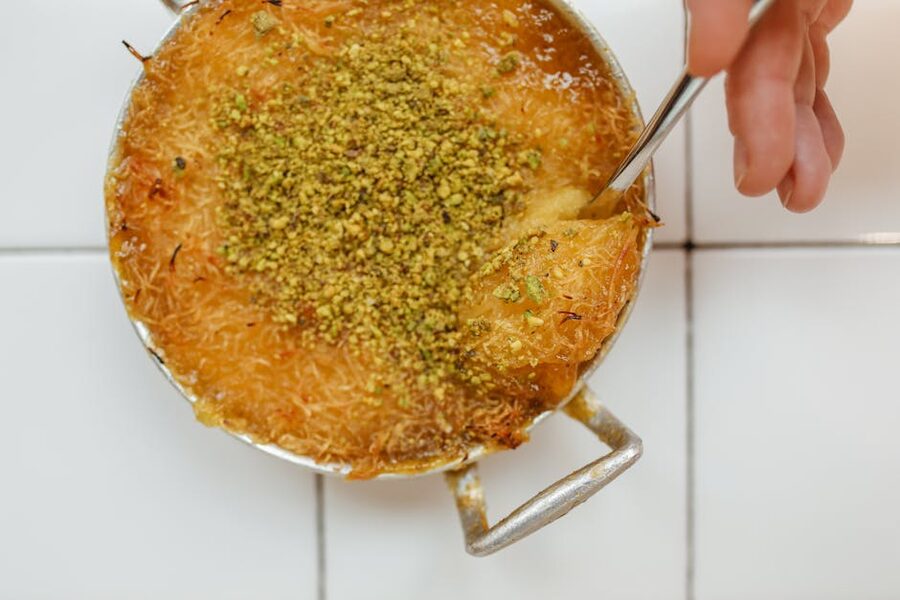
Knafeh: the cheese-and-shredded-pastry dessert, served warm with rose syrup. The Tripolitan version (made with semolina dough rather than the kataifi shreds) is the destination version. If you make it as far as Tripoli – and the security situation is currently stable enough that some travelers do – Hallab 1881 is the legendary knafeh house. You’ll know you have the right place because the queue runs out the door at 7am. If you don’t make it that far, the Beirut branch of Hallab in Hamra is more than acceptable.
For the wider Lebanese restaurant geography: Mayrig for upper-end Armenian-Lebanese (the Armenian community in Beirut is its own culinary tradition); Enab for solid mid-range mezze in Mar Mikhael; Kalei Coffee Co. for the new-Lebanese small-plates take in Ashrafieh; and any of the seafront restaurants on the Byblos port for the lunch with a view.
How to actually book this trip
Most of the mainstream U.S. and U.K. luxury operators have either suspended their Lebanon programs or shrunk them to a handful of vetted itineraries. Artisans of Leisure‘s Lebanon tours are currently on hold. Cazenove + Loyd still runs tailor-made trips through their Middle East specialist team, and they are one of the operators I would actually call. Original Travel in London also still runs Lebanon. Tablet Hotels and Mr & Mrs Smith can book the Phoenicia, Albergo and Le Gray directly without an itinerary wrap.
The local DMCs are where the real expertise lives. Lebanon Traveler and the smaller boutiques (Beirut by Bike for the Mar Mikhael walking tour, Beyond Beirut for the Bekaa wine days) work with the high-end hotel concierges and have the day-of intelligence that nobody booking from London or New York can match. Ask your hotel.
For booking activities and day trips that don’t require the full DMC treatment, both Viator and GetYourGuide list a small number of Beirut and Byblos tours run by reputable local operators; these are useful for the half-day food walks and the easier day trips.
The travel insurance problem
This is the practical hurdle most readers don’t see coming. Because the U.S. State Department has Lebanon at Level 4 and the U.K. FCDO has parts of the country at “advise against all travel,” most standard travel insurance policies will not cover you for trip cancellation, medical evacuation, or anything else that happens during your stay. You cannot buy a normal World Nomads or Allianz policy and assume you’re covered for Lebanon. Read the fine print. Most explicitly exclude FCDO and State Department-warned destinations.
What does work: specialist underwriters that offer policies for high-risk destinations. Battleface writes coverage that explicitly includes Level 4 destinations. Global Rescue is the medical evacuation provider most journalists and aid workers use; their membership-based model covers extraction from anywhere in Lebanon to a Western hospital, and that’s the coverage that actually matters. Pricing is significantly higher than standard policies – budget $40-$80 per day per person for the combination – but it is non-negotiable. Do not travel to Lebanon without it.
When to go and when not to
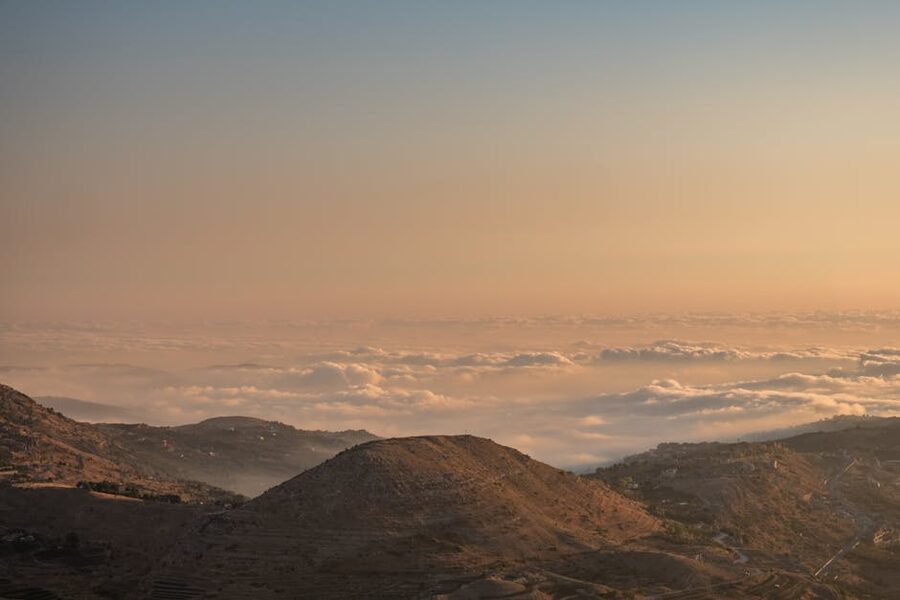
May and June are the best months. The coast is warm but not yet brutal, the mountains are clear, the wildflowers are in everything, and the wineries are quiet before harvest. September and October are the second window – harvest in the Bekaa, perfect coastal weather, fewer crowds. November to March is the rainy season and the mountain passes can close from snow; the cedars are spectacular under snow but the access roads are unreliable.
Avoid July and August if you can. The coast is 35°C and humid, the city is loud with returning Lebanese diaspora and Gulf-Arab visitors (which is wonderful in some ways and unpleasant in others), and hotel rates spike. Avoid Ramadan if a normal restaurant rhythm matters to you; daytime restaurant service is reduced (though Beirut, being more cosmopolitan than most regional capitals, is the easiest Middle Eastern city in which to spend Ramadan as a non-Muslim).
And avoid any week when the news cycle on Lebanon is acute. Watch the U.S. State Department travel advisory page and the U.K. FCDO updates. If there is a fresh security alert from the U.S. Embassy in Beirut in the seven days before your departure, defer the trip.
What I would not do
I would not drive myself, anywhere, ever. Beirut driving is the chaos most travel writers warn you about; it is also the part you can solve simply by hiring a driver. Hotel-arranged drivers run $60-$120 a day depending on the route. Use them.
I would not visit any of the Palestinian refugee camps (Ain al-Hilweh outside Sidon, Shatila in Beirut, Burj el-Barajneh) as a tourist. They are not tourist sites and the residents have nothing to gain from your visit.
I would not go anywhere south of Tyre, ever, in 2026. The southern villages are closed and the LAF will turn you back at the second checkpoint anyway.
I would not photograph anything at the southern Beirut suburbs, the airport access road, or anywhere a soldier visibly takes notice. The Lebanese army is generally polite about this, but the Hezbollah security in Dahieh is not, and being asked to delete photos is the best-case outcome.
And I would not, under any circumstances, change money at a bank or use a credit card for anything other than the hotel bill. Lebanon is currently a cash economy because of the bank crisis. The official LBP exchange rate at the bank is 15,000 LBP per USD; the black-market rate (which is what every shop, restaurant and taxi uses) is closer to 90,000 LBP per USD. Bring USD in cash, exchange at any of the money-changers along Hamra Street, get the real rate. The Lira Exchange app on your phone tells you the day’s actual rate.
The case for going anyway
If you’ve made it to the bottom of this guide, you already know the country has been through it. You know that “Lebanon, Pearl of the Middle East” is a phrase from a different era – from the 1960s, when Beirut was the banking and party capital of the Levant, when the airport had direct Pan Am flights, when the corniche cafés filled with Gulf money in summer and European money in winter. None of that exact world still exists. The question is whether what’s left is enough.
I think it is. Lebanon at this moment is the most layered, most generous, most genuinely hospitable country in the eastern Mediterranean, and the people running the hotels and the kitchens and the wineries you’d visit have not stopped trying to make their pieces of it work. They’ve made wine through a civil war. They’ve reopened bars after a port blast. They’ve kept the National Museum running through a financial collapse. Going, spending money, eating dinner, talking to people, leaving a generous tip – these things are not symbolic. They are how the country, in this particular decade, holds together.
Go with eyes open. Go in May. Go through Cazenove + Loyd or a local DMC. Stay at the Phoenicia or the Albergo. Eat at Em Sherif and Tawlet. Walk the Corniche at sunset. Spend a half-day at Anjar that nobody else will. Drink a glass of Musar. And come home and tell other people what you actually saw, because that’s the best thing you can do for the place.
For more luxury destination guides, including pieces on the Croatian coast and the around-the-world private jet circuit, see the rest of the site. And if you have specific questions about how to put a Lebanon trip together right now, the comments below are open.