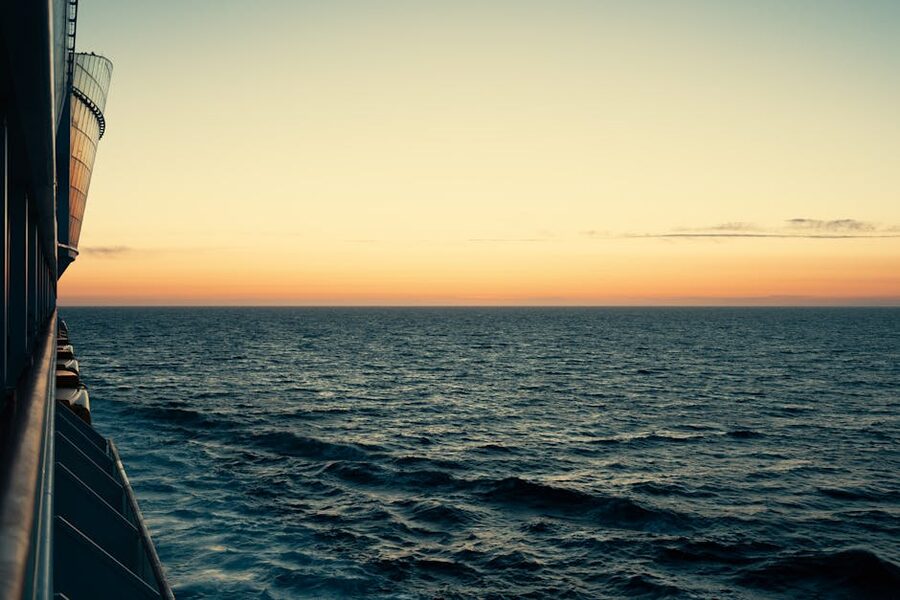
The deck of the Wind Surf at half past nine in the morning, somewhere off the western coast of Sardinia, and there are four of us up here. The captain made the call to skip the planned anchorage at Bonifacio because the meltemi was running stronger than the forecast wanted to admit, and we are now drifting south for a sheltered bay the cruise director has not yet named on the daily program. The sommelier has come up with a tray. Three passengers and me, plus him; he opens a bottle of Vermentino di Gallura because the swell has dropped off and the sun has hit the teak and someone said the word lunch. There is no announcement. There is no queue. The barman from the lounge a deck below catches my eye through the open door and lifts a hand in greeting, because I had a Negroni there yesterday and he remembered.
This is the small-ship version of what the cruise industry calls a sea day, and if you have only ever sailed a 4,000-passenger ship in the Caribbean, almost nothing about the previous paragraph will sound like cruising to you. That gap, between what most people think cruising is and what the top end of the small-ship category actually delivers, is what this piece is about. Most readers I meet who say they don’t like cruising have only sailed the wrong category. The right one is a different product, a different on-board culture, a different reader. It is closer to a chartered yacht with a real chef than to anything you will see advertised in a Sunday supplement under the word cruise.
In This Article
- What “luxury small-ship” actually means
- The categories within the small-ship luxury world
- The all-inclusive ultra-luxury lines
- The yacht-style operators
- The sail-powered ships
- The European specialists
- The river and expedition crossover, briefly
- Where the ships actually go: the regional read
- The Mediterranean
- The Caribbean
- Northern Europe and the Baltic
- Asia and the South Pacific
- Australia and the great deep South Pacific
- What the on-board culture is actually like
- Choosing a cabin
- Where to book
- If you don’t think you like cruising
What “luxury small-ship” actually means
The cruise industry uses the words luxury and small more loosely than is useful. A 3,000-passenger Royal Caribbean ship will call itself luxurious in a brochure. A 1,200-passenger Holland America ship will call itself a small ship. Neither is what this piece is talking about.
For the purpose of this article, luxury small-ship means a passenger count under 700, and usually between 100 and 500. It means a crew-to-passenger ratio above 1:2. It means all-suite or near-all-suite cabins, fully-included drinks and dining, butler service on the higher tiers, and on the most all-inclusive lines, included shore excursions and even business-class air on long itineraries. It also means an on-board culture that has more in common with a country-house hotel than with the resort-at-sea model that dominates the mass market. Open seating dining most nights. The captain at the table when he wants to be. A sommelier who learns what you drink by day three. No casinos on the smallest ships. No formal night, on most lines, since the major operators dropped them; jacket and trousers will get you in anywhere on the ship after six.
The ships are smaller for a reason, not as a marketing line. A 200-passenger ship can dock alongside in central harbours that mega-ships cannot enter: Bonifacio, Portovenere, Hvar town, Mahón, the inner harbour at Quebec City, the bottom of Saguenay Fjord, half the Greek islands the bigger ships have to tender into from a kilometre offshore. You step off the ship at the foot of the old town and walk uphill. You do not queue for a tender. You do not lose forty-five minutes either side of a port day to the loading process. That structural difference, more than anything you will read in a cabin description, is what defines the product.
The categories within the small-ship luxury world
The operators in this space sort themselves into recognisable categories, and the right way to choose between them is to figure out which category fits the trip you actually want, then pick the strongest line within it. Lump them all together as “luxury cruising” and the differences disappear into a brochure-haze. Sort them by category and the choice becomes obvious.
The all-inclusive ultra-luxury lines
This is the prototype small-ship-luxury product. Five hundred to seven hundred passengers, all-suite, fully included on drinks and dining, mid-range premium spirits no extra, butler service on the upper tiers, and on the lines that take “all-inclusive” most seriously, included shore excursions and air. Silversea, Seabourn, Regent Seven Seas, Crystal. Each has its own personality and the wrong one will leave you cold.
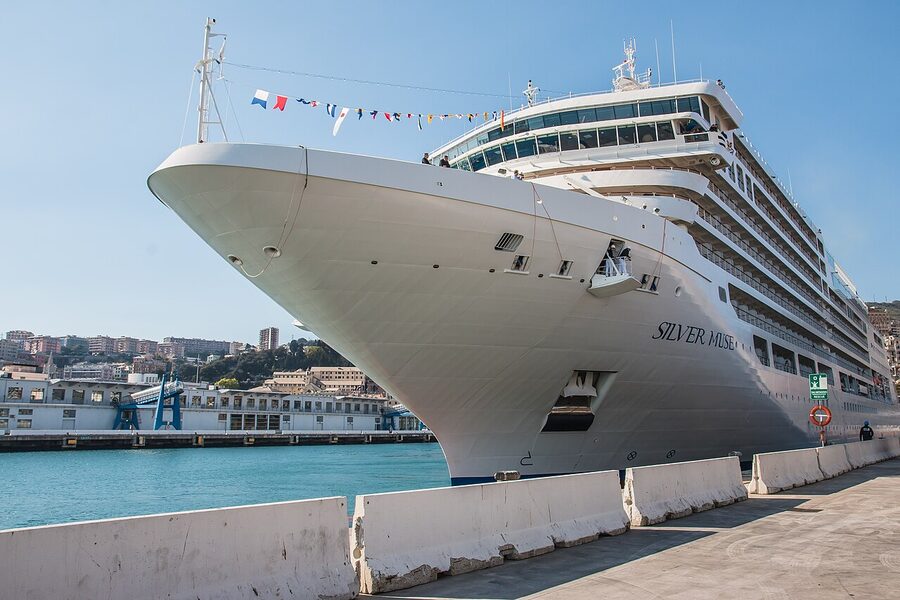
Silversea is the polished, vaguely European-American option. Twelve ships in service, eight in the classic fleet (Silver Whisper and Silver Shadow at the smallest end, 392 passengers each; Silver Spirit, Muse, Dawn, Moon at 596–632; the new Silver Nova and Silver Ray at 728) and four expedition ships covered separately in our piece on expedition cruising. The classic fleet is built around an all-suite layout, a lecture program that is genuinely worth sitting in on, and a dining program that has improved sharply over the last five years under the Royal Caribbean Group ownership. The newer ships (Nova class, 2023 onwards) feel more spacious than the older fleet; the older ships (Whisper, Shadow) feel more traditional and more clubby. I would book a 392-passenger Whisper-class ship over a 728-passenger Nova-class ship for a Mediterranean week, every time. The smaller ship gets you into the smaller ports and keeps the on-board feel intimate. The Nova-class is built for the longer crossings and the bigger dining program.
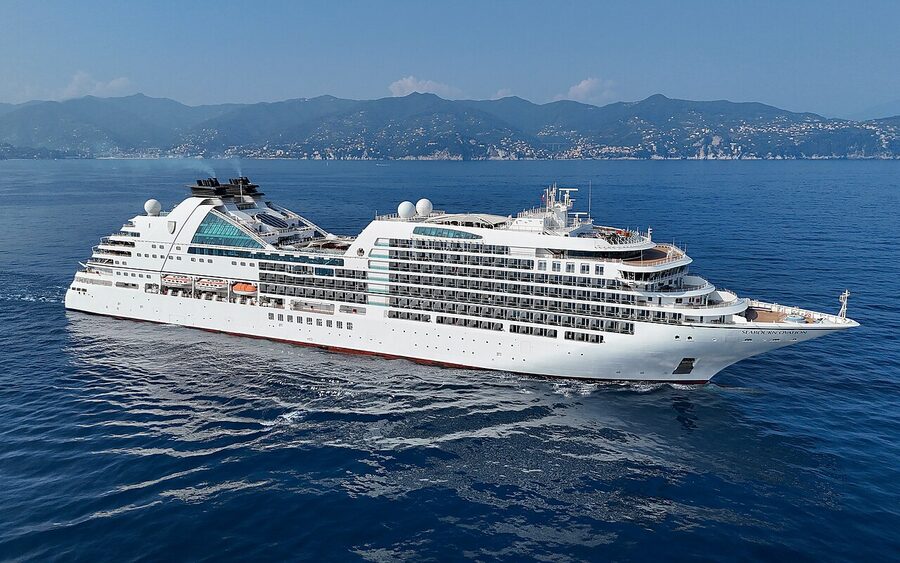
Seabourn is the slightly more casual cousin, a touch less starchy, with a long-running reputation for the small daily details that separate one ultra-luxury line from another. The line calls them Seabourn Moments: a beach barbecue with caviar and Champagne set up on a Caribbean cay, an unscheduled extra hour in port because the captain decided the harbour was perfect that evening, the sommelier appearing dockside as you walk back to the ship with the bottle you mentioned at lunch. The active fleet has shrunk recently. Odyssey left in August 2024, sold to Mitsui O.S.K. Lines, and Sojourn departs in May 2026 under the same arrangement, so the ocean fleet for late 2026 will be Quest (450 passengers), and the Encore-class pair Encore and Ovation (600+). Encore-class are the newer ships, more dining options, more deck space; Quest is the older, smaller, slightly more clubby option. Either works. I prefer Quest for the Mediterranean and Encore for the longer Asia-Pacific positioning runs.
Regent Seven Seas is the line that takes “all-inclusive” furthest. Drinks are included, gratuities are included, Wi-Fi is included, most shore excursions are included (which is the unusual one, since even Silversea and Seabourn don’t include them as standard), and on most international itineraries business-class air is included as part of the fare. Six ships in active service, plus the new-build Seven Seas Prestige due late 2026 at 822 passengers. The math on Regent’s all-inclusive model is not as obvious as the brochure makes it. Run the numbers properly: on a 14-night cruise where you would have done four substantial shore excursions at $200 each, plus drinks plus business-class long-haul air, the all-in price often makes sense. On a 7-night Caribbean cruise where you’d have done one excursion and stayed mostly on the ship, the included extras don’t add up the same way and you might do better booking Silversea or Seabourn at a lower base fare. The line works best on the longer voyages. Seven Seas Splendor and Grandeur (2020 and 2023) are the two newest, and both feel a half-step more designed than the older ships.
Crystal Cruises went into Chapter 11 in 2022 and was bought out of bankruptcy by A&K Travel Group, the high-end safari and bespoke-tour company owned by Manfredi Lefebvre. The two refurbished classic ships, Crystal Symphony and Crystal Serenity (606 and 740 passengers), came back into service in 2023 as a relaunched, slightly smaller, slightly more A&K-flavoured product. A third ship, Crystal Grace, is now on the homepage for 2026 voyages. The Nobu partnership has been preserved on Symphony and Serenity (Umi Uma at sea, plus the Alajmo brothers’ Osteria d’Ovidio). The cabins were reconfigured during the refurbishment to create more suite space. The questions that mattered in 2023 (would the relaunched Crystal hold its old standards, would the loyal client base come back, would the itineraries sustain themselves) have mostly been answered in the affirmative. By 2026 it’s a credible ultra-luxury line again, and the food positioning (Nobu plus Alajmo plus a strong main dining room) is the strongest in the category for travellers who care about dining as the centrepiece of the trip. If your trip pivots on what you eat, this is the line to start with.
The yacht-style operators
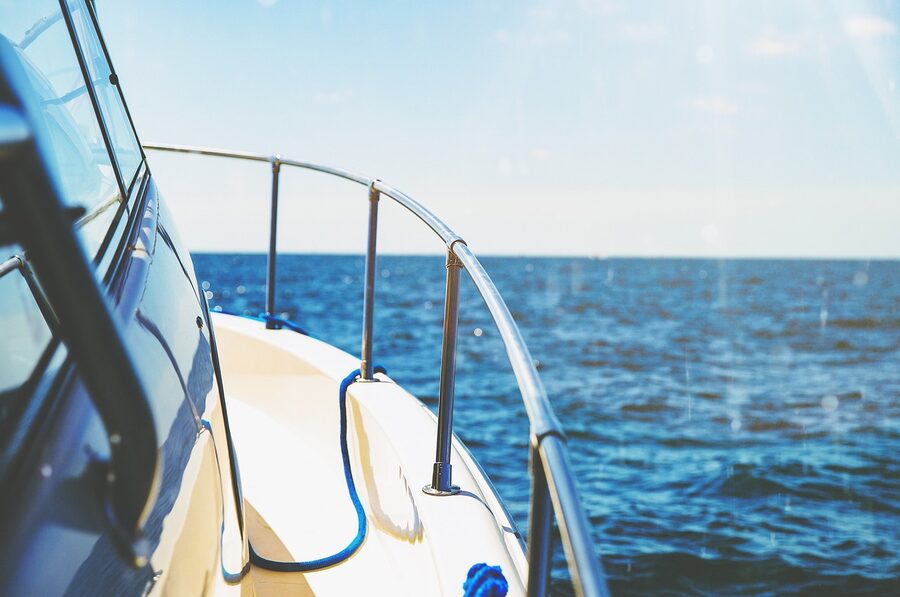
One step smaller than the all-inclusive ultra-luxury lines, and several steps more relaxed, are the yacht-style operators. Under 250 passengers, often closer to 100. More casual on-board culture, marina platforms deployed off the stern for swimming and watersports, no formal evenings ever, the genuine yacht aesthetic rather than the cruise-ship-pretending-to-be-a-yacht aesthetic.
SeaDream Yacht Club runs the closest commercial product to a chartered private yacht that exists. Two identical ships, SeaDream I and SeaDream II, around 112 passengers each, summer in the Mediterranean and Norwegian Fjords, winter in the Caribbean and through the Lesser Antilles. Open seating dining at every meal. Mountain bikes you can take ashore. The marina platform deployed off the stern in the right anchorages, with kayaks, paddleboards, water-skis, and a swimming ladder straight off the ship. The on-board culture is the most informal in the luxury small-ship space; you can be in linen trousers and bare feet at dinner and nobody will look twice. If “I want a chartered yacht without chartering a yacht” is a sentence that makes sense to you, this is the line. The trade-off is the smaller program: only two ships, fewer dining venues than the larger ultra-luxury operators, no theatre, a single bar that becomes the social heart of the trip. And that is the entire point. SeaDream is the one I send people to when they have done one or two of the larger ultra-luxury cruises and want the next step toward something more intimate.
Seabourn shades into the yacht-style category at the smaller end of its fleet, and the marina-platform setup on the Quest is one of the better deployments of that feature in the wider luxury market.
The sail-powered ships
Two operators run genuine sail-driven luxury small-ships, and the experience is unlike anything else in the category. The sails go up at the right wind angle, the engines drop to assist or to off, and you spend the next half-day moving across the Mediterranean or the Caribbean under canvas, in an atmosphere that feels closer to a private sailing yacht than to a powered cruise ship.
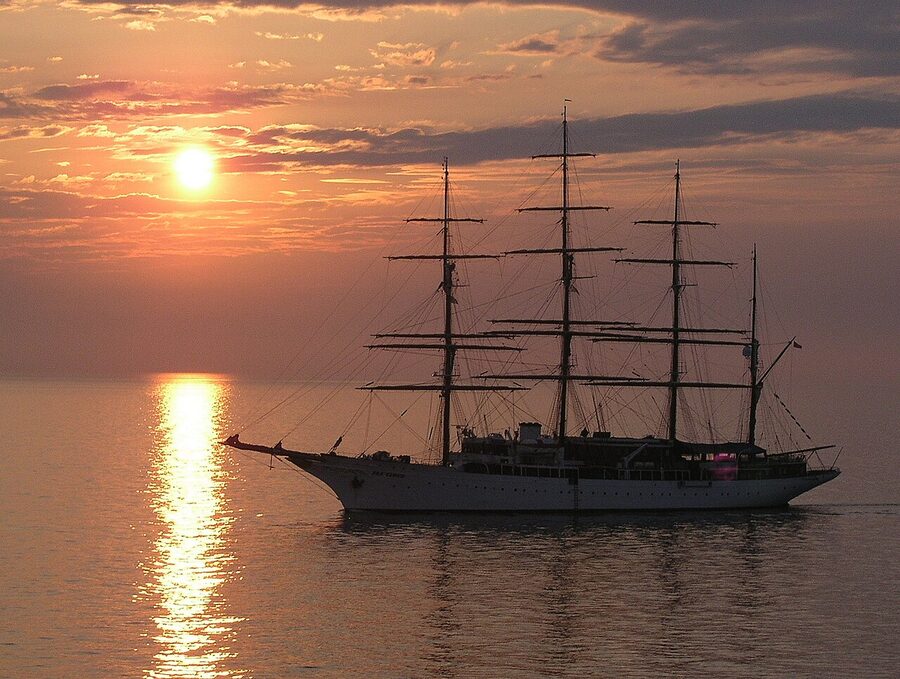
Sea Cloud Cruises is the operator at the top of this niche. Three ships: the original Sea Cloud, launched in 1931 for Marjorie Merriweather Post and her husband Edward F. Hutton (then the largest private yacht in the world, later commandeered by the US Navy in WWII as the first racially integrated US warship under Lieutenant Carlton Skinner, then briefly owned by the Dominican dictator Trujillo before retiring to a Hamburg refit and a passenger career from 1979 onwards), now carrying 64 passengers; Sea Cloud II from 2001 at 94 passengers; and Sea Cloud Spirit from 2021 at 136 passengers. All three are true windjammers; the sails are set by hand, by climbing crew, in a daily ritual that is one of the more cinematic things you can witness from a cruise deck. The original 1931 Sea Cloud has a separate magic to her: the original suites, the panelled library, the brass and the woodwork from the Marjorie Merriweather Post commission. If your dates make the 1931 ship available, book her over the newer two. It is the closest thing to time-travel in the cruise industry. The newer Sea Cloud Spirit gets you the same sail-driven experience with more space, better en-suites, a small spa, and a swim platform; that is the right pick for a first trip if the dates of the original don’t work.
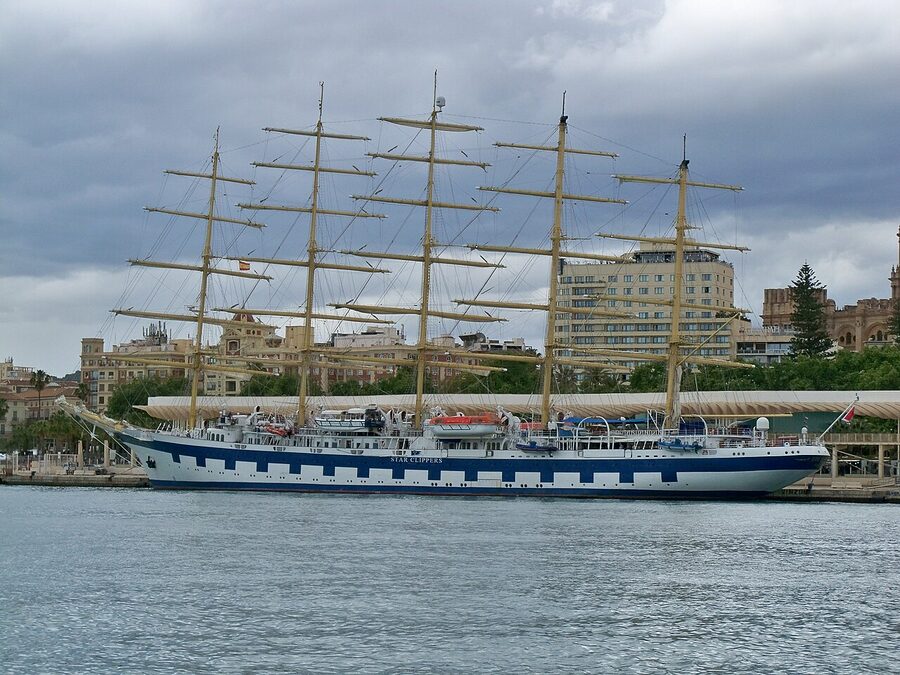
Star Clippers is the contemporary tall-ship operator. Three vessels: the Royal Clipper, a 5-masted barque carrying 227 passengers and listed in the Guinness Book of Records as the largest square-rigged ship in service, with 42 sails and 56,000 square feet of canvas; and the twin sister ships Star Clipper and Star Flyer, both four-masted barquentines carrying 166 passengers each. The on-board feel is more casual than Sea Cloud (more open-decks-and-shorts than woodwork-and-cocktails) and the price point is meaningfully lower. The Royal Clipper is the one to book if you can; the central pool with the glass bottom that lights the dining room below is a small piece of theatre, and the climb up the central mast to the crow’s nest is open to passengers when sea conditions allow. Star Clippers is also where you go for a sail-powered experience without the ultra-luxury price tag.
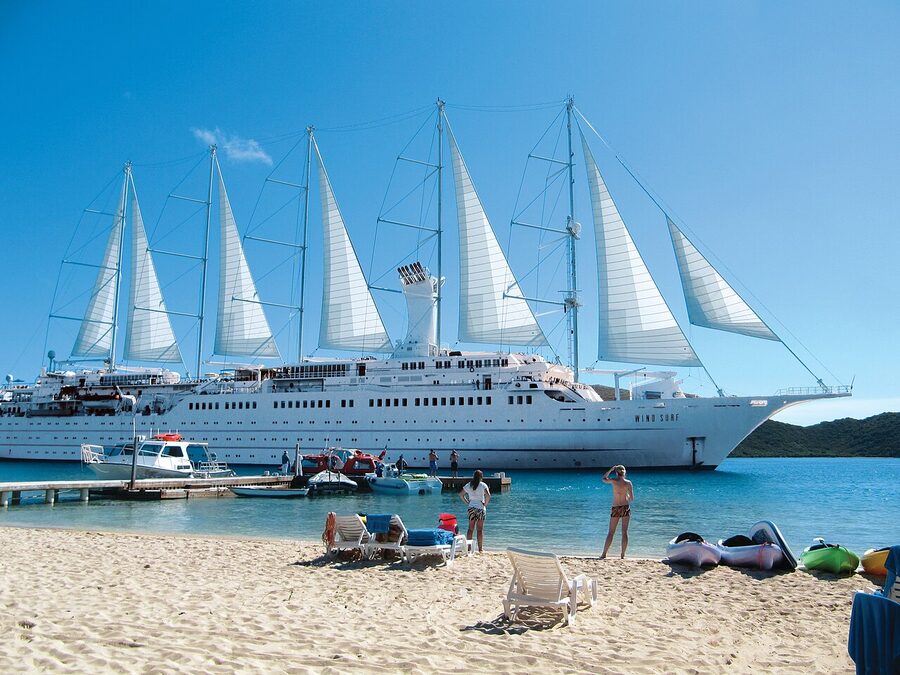
Windstar Cruises sits between premium and luxury, and runs a hybrid fleet. Three motor-sail yachts (Wind Star and Wind Spirit at 148 passengers each, Wind Surf at around 300, the largest sail-assisted ship in the fleet, ex-Club Med), and four motor yachts (Star Pride, Star Breeze, Star Legend each at 212 passengers, plus the new-build Star Seeker delivered December 2025, Windstar’s first commissioned new ship, originally the World Seeker hull from Atlas Ocean Voyages). The sails on the three Wind ships are real and they get used, but they are computer-deployed, not hand-set, so the romance is dialled down a level from Sea Cloud or Star Clippers. Windstar’s positioning is laid-back and port-intensive, with the longest continuous French Polynesia program of any operator (almost 40 years on Wind Spirit out of Papeete) and a strong year-round Mediterranean program with itineraries that visit the smaller ports. The food and inclusions sit one tier below the ultra-luxury lines (gratuities and most drinks are extra) but the per-night fares reflect that, and Wind Star or Wind Spirit at 148 passengers, in the Greek islands or French Polynesia, is one of the better small-ship products at its price point.
The European specialists
Three operators in this corner of the market sit firmly outside the American mainstream and have a distinctly European on-board culture. They are worth knowing about if you would rather not be on a ship where the on-board language and the dining hours run on US East Coast assumptions.
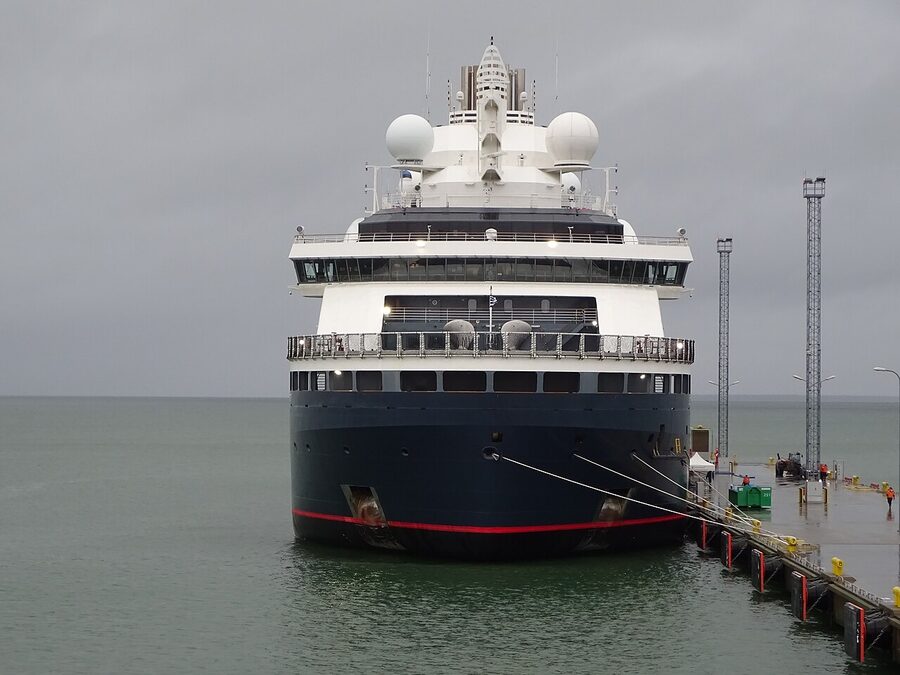
Ponant is the French luxury operator, eleven ships across four distinct classes. The four sister ships Le Boréal, L’Austral, Le Soléal, and Le Lyrial (built 2010–2015, 264 passengers each) are the original Ponant fleet: small, designer-led, French-style, with an on-board cuisine program that takes itself seriously. The six Explorer-class ships (Le Champlain, Le Bougainville, Le Dumont-d’Urville, Le Lapérouse, Le Bellot, Le Jacques Cartier, all built 2018–2020, 184 passengers each) are the smaller, more expedition-capable yachts that operate everywhere from the Greek islands in summer to the Kimberley coast in dry season. Le Commandant Charcot, launched 2021, is the polar exploration ship: the first hybrid-electric polar vessel, with a Polar Class 2 ice-going hull that takes her further north than almost any commercial passenger ship. And Le Ponant herself, the original 1991 three-masted sailing yacht refurbished in 2022, carrying 64 passengers, is one of the more elegant small sailing ships afloat. Ponant also owns Paul Gauguin Cruises, which runs a single 332-passenger ship in the South Pacific, the only proper luxury operator with a year-round Tahiti and French Polynesia program from Papeete.
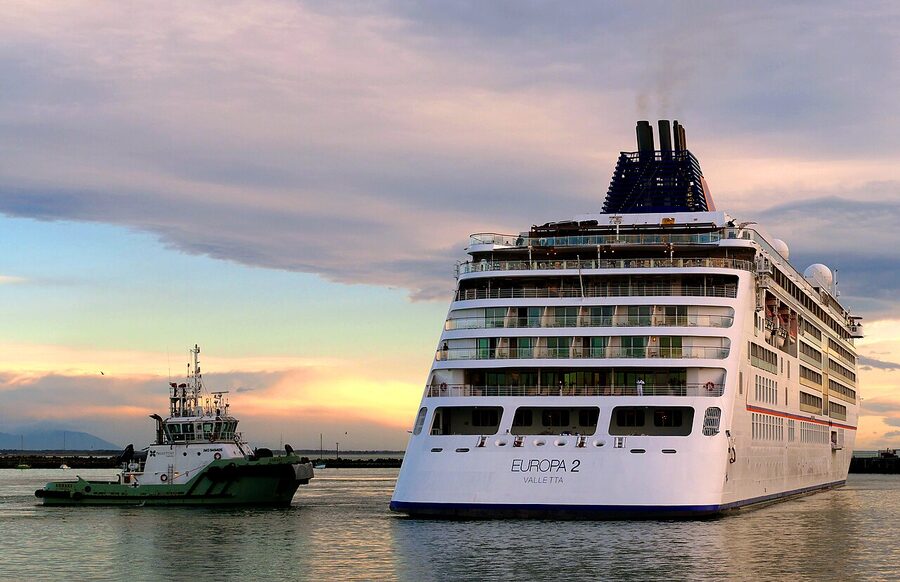
Hapag-Lloyd Cruises runs Europa 2, which has held the top spot in the Berlitz Cruise Guide rankings for over a decade. Launched 2013, 516 passengers in 251 suites; every cabin is a suite, every cabin has a private veranda, and the public-space-to-passenger ratio is the most generous in the small-ship luxury category. The on-board culture is bilingual German-English (announcements, menus, and the daily program in both), the dining program runs to seven restaurants across the ship, and the dress code is one tier more relaxed than the equivalent Silversea or Crystal. If you read German or you don’t mind being in a minority that doesn’t, this is the small-ship that the cruise-industry insiders who can have any cabin on any ship will pick. The original Europa is its larger and slightly more traditional sister; on Berlitz scoring it sits a hair below Europa 2.
The Ritz-Carlton Yacht Collection is a recent entrant: Marriott’s hospitality group at sea, brought in by the Ritz-Carlton brand to translate the resort experience to a yacht. Three ships: Evrima (the first, in service since 2022, 298 passengers), Ilma (2024, 448 passengers), and Luminara (2025). The ships feel less like cruise ships and more like floating modern hotels, which is the brief Ritz-Carlton sets: open public spaces, contemporary design instead of mahogany, casual high-end service instead of the more formal European-style ultra-luxury feel. If you have a Marriott Bonvoy account and you book a lot of Ritz-Carlton land properties, this will feel familiar. If you have spent two decades on Silversea, it will feel new and slightly less classical.
The hotel-brand-at-sea trend will keep developing. Four Seasons Yachts is launching its first ship in 2026 (Four Seasons I, 95 suites, the smallest hotel-brand-at-sea offering), and Aman is committed to a ship for 2027. By the second half of the decade the small-ship luxury category will have several more lines that come from the hotel side rather than the cruise side, and the line between a Six Senses property and a 100-passenger luxury yacht will get blurrier than it currently is.
The river and expedition crossover, briefly
Two adjacent categories deserve a mention but not a deep dive, because each has its own dedicated piece.
River cruising (Viking, AmaWaterways, Tauck, Uniworld, Riverside on the Rhone) is its own product, with a different on-board feel (longer ports, more cycling and hiking, no sea days, almost no formal nights ever) and a different planning process. The Rhine and the Danube are the two routes that work best for a first river cruise; the Bordeaux region of France runs a close third. We cover the Rhine and Danube cruise option in our guide to Europe’s Christmas markets, where the Christmas-week river cruise is one of the genuinely good ways to do the markets without the crowds.
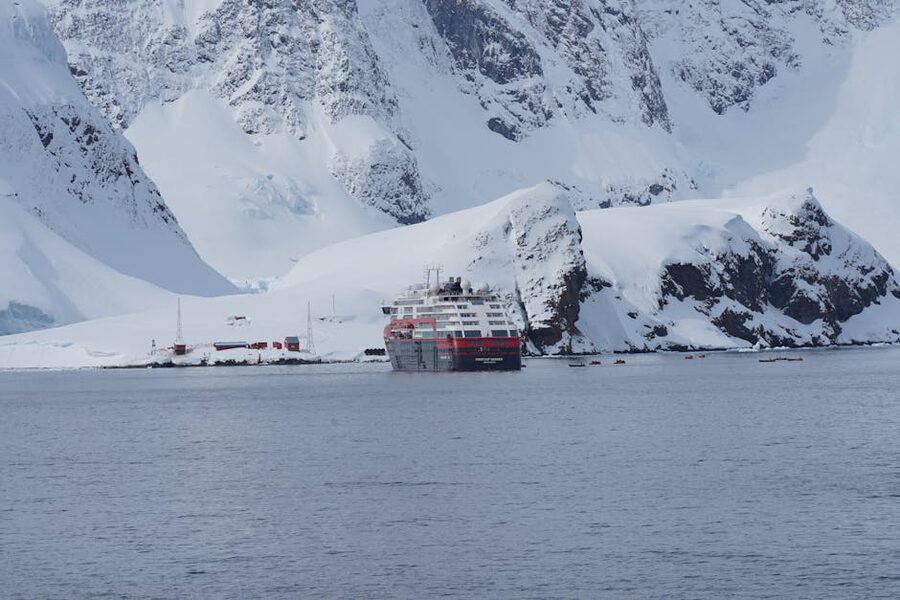
Expedition cruising (Silversea Expedition, Seabourn Venture and Pursuit, Ponant’s polar fleet, Lindblad, Quark, Hurtigruten, Aurora, Scenic Eclipse) is the small-ship category that goes where conventional small-ship luxury doesn’t sail. Antarctica, the high Arctic, the Northwest Passage, the Galápagos, the Kimberley coast, Raja Ampat. We cover that in detail in our expedition cruising guide. If you have done two or three luxury small-ship cruises and the next question is “where to next”, the answer is usually expedition.
Where the ships actually go: the regional read
Each region runs its own small-ship culture. A first-time small-ship cruiser ought to know which regions are the most reliable and which are the more specialised buys.
The Mediterranean
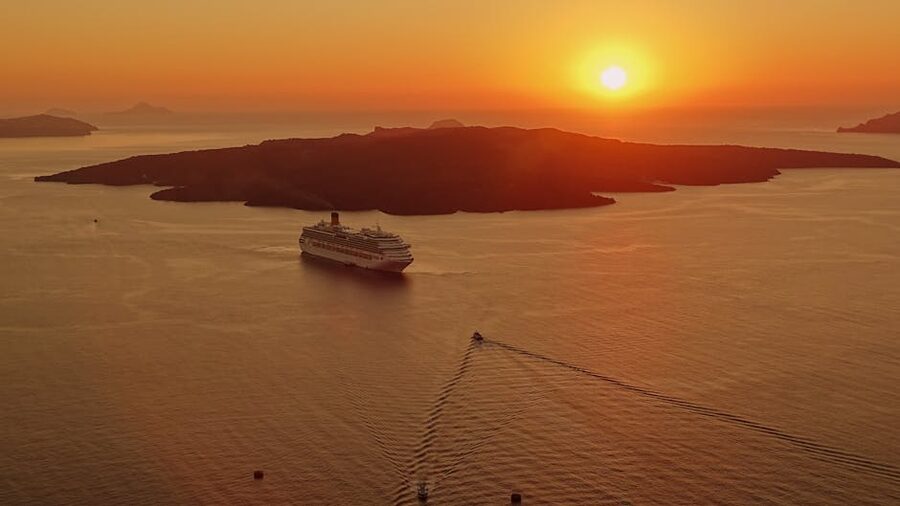
The strongest small-ship region in the world by volume of operators. Every line in this article runs Mediterranean itineraries from April or May through October. Within the Med, three sub-regions matter most. The Greek islands work best on a yacht-style ship that can dock in Santorini’s old port and Mykonos and Hydra rather than tendering: Wind Star or Wind Spirit, a small Silversea or Seabourn, SeaDream. The French Riviera and the Ligurian coast (Portofino, Portovenere, Cinque Terre) is the small-ship version of the Côte d’Azur, where the smaller draft gets you alongside in Antibes and into Portovenere itself rather than offshore at La Spezia. And the Croatian coast (Hvar, Korčula, Vis, Dubrovnik) is one of the cleanest small-ship products in Europe, and pairs well with a land-based week on the same coast covered in our Croatia guide. For the Eastern Mediterranean and the Turkish coast, the gulet alternative is worth knowing about: the traditional wooden-yacht charter format that is the small-ship cousin of the cruise-line product, covered in our Turquoise Coast piece. A gulet will give you a smaller boat (eight to twelve guests rather than 150) at higher per-person cost; a Silversea Whisper or a SeaDream will give you the cruise-line product with more variety of ports and the larger on-board program.
The Caribbean
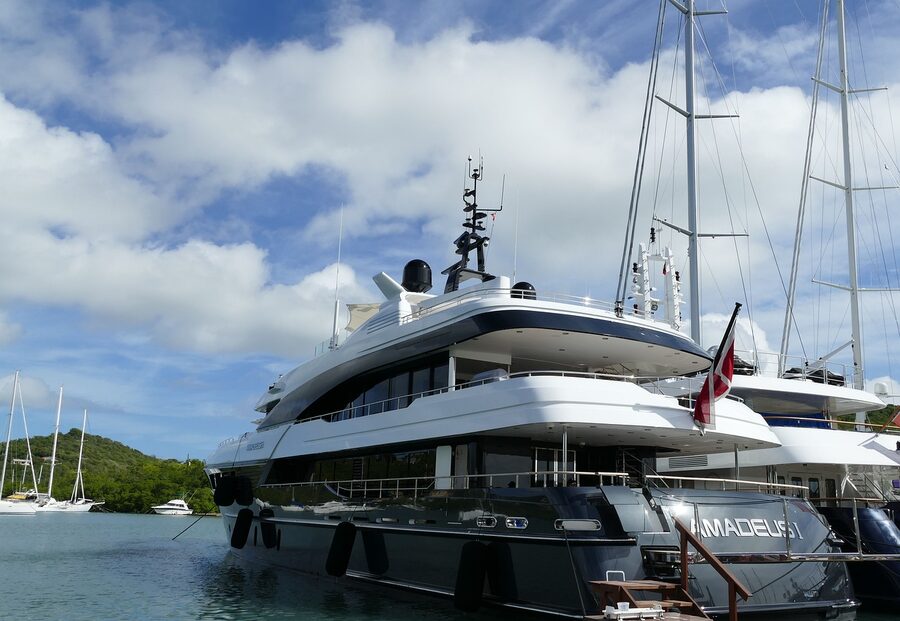
The small-ship Caribbean is a genuinely different product to the mega-ship Caribbean. SeaDream, Sea Cloud, Star Clippers, the smaller Windstar yachts: these all run the Caribbean as a string of small-island anchorages (Saba, St Barths, Bequia, Mayreau, Norman Island in the BVI, the Tobago Cays, Nevis) rather than the Cozumel-Grand-Cayman-Jamaica circuit the bigger ships do. A 100-passenger luxury yacht in the BVI in February is one of the more reliable Caribbean luxury products on the market. The bigger ultra-luxury lines (Silversea, Seabourn, Regent, Crystal) run Caribbean itineraries in winter too, but the very smallest ships are where the small-island access genuinely pays off.
Northern Europe and the Baltic
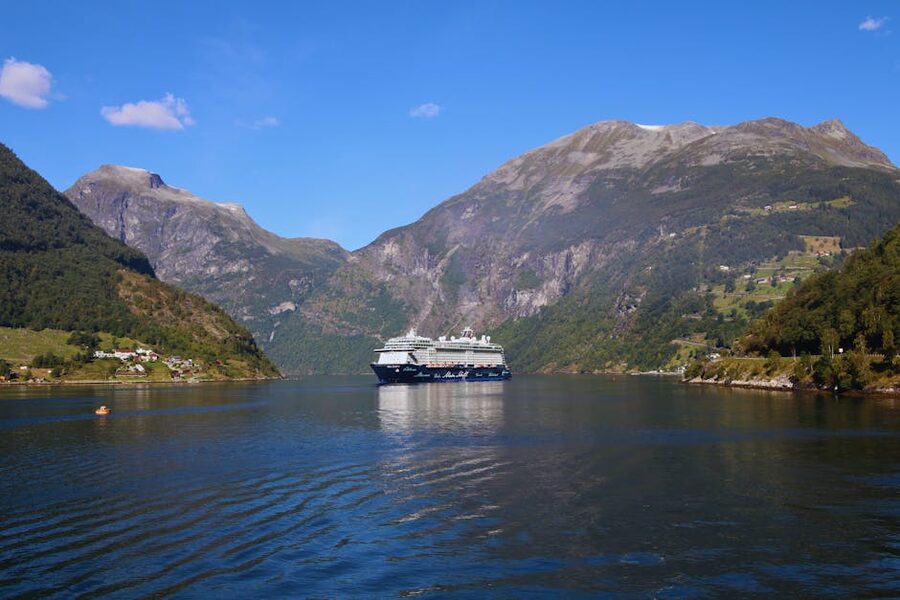
A short summer season, late May to early September, but a region where small-ship comes into its own. Norwegian Fjords on a SeaDream or a Silversea Whisper-class is one of the best-value small-ship trips in Europe, partly because the smaller draft gets up the narrower fjords (Geiranger, Nærøyfjord) and partly because the ports are small enough that mega-ships are awkward in them. The Baltic is the second classic Northern European itinerary; the small-ship version (Stockholm, Helsinki, Tallinn, Gdańsk, Copenhagen) runs as a more port-intensive product than the mega-ship Baltic, which has historically built itself around two-night St Petersburg stops that are no longer politically viable for most operators.
Asia and the South Pacific
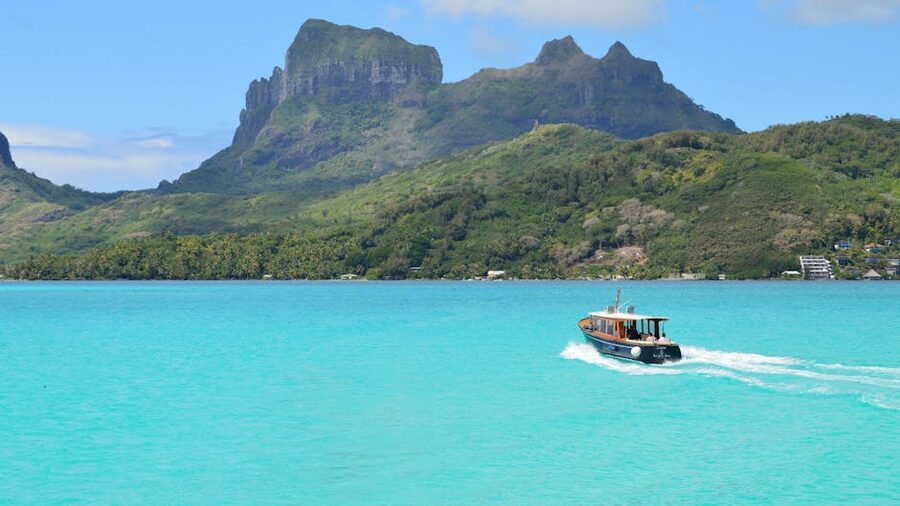
French Polynesia is the small-ship product the South Pacific does best, and the Wind Spirit out of Papeete is the longest-running luxury operation there, with almost 40 years of weekly itineraries to Bora Bora, Moorea, Raiatea, Taha’a, Huahine. Paul Gauguin Cruises (under Ponant ownership) runs a year-round larger ship in the same region, 332 passengers, with a full Polynesian crew. Southeast Asia (Vietnam, Cambodia, the Mekong) is where AmaWaterways and Pandaw run the river-cruise version, and Ponant runs ocean small-ship from Singapore through the Indonesian archipelago.
Australia and the great deep South Pacific
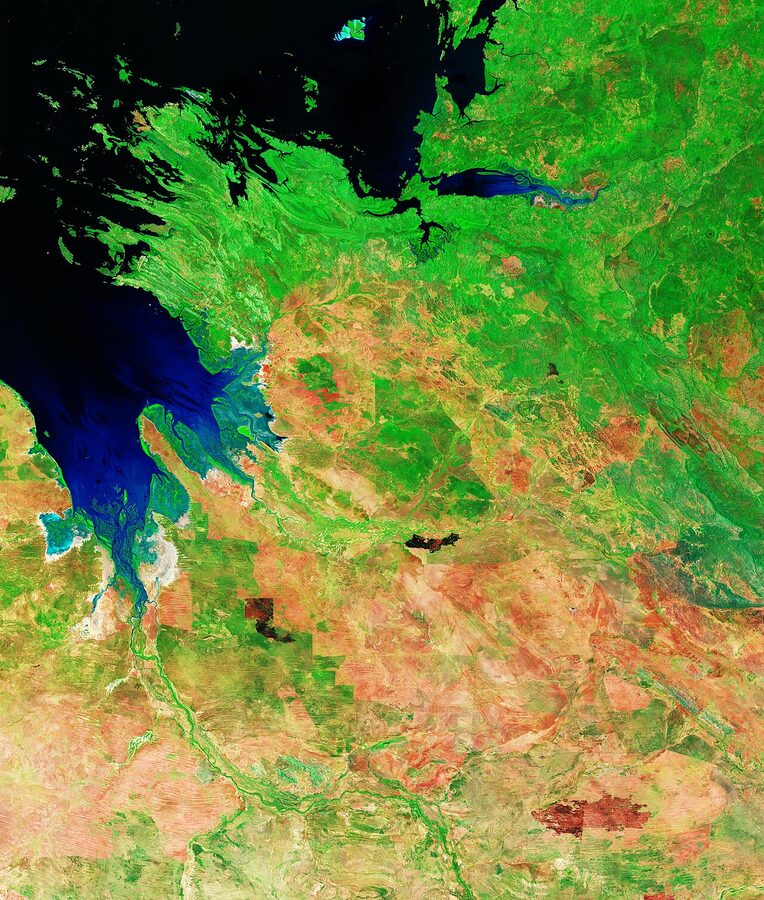
Smaller programs, more specialised. Coral Expeditions and Ponant run the dry-season Kimberley coast in Western Australia (April through October), one of the genuinely remote luxury small-ship destinations. Cruising the Tasmanian east coast, the Great Barrier Reef on a luxury small-ship rather than the day-trip catamaran version, and the Papua New Guinea archipelago are all bookable on Coral Expeditions and a handful of niche operators.
What the on-board culture is actually like
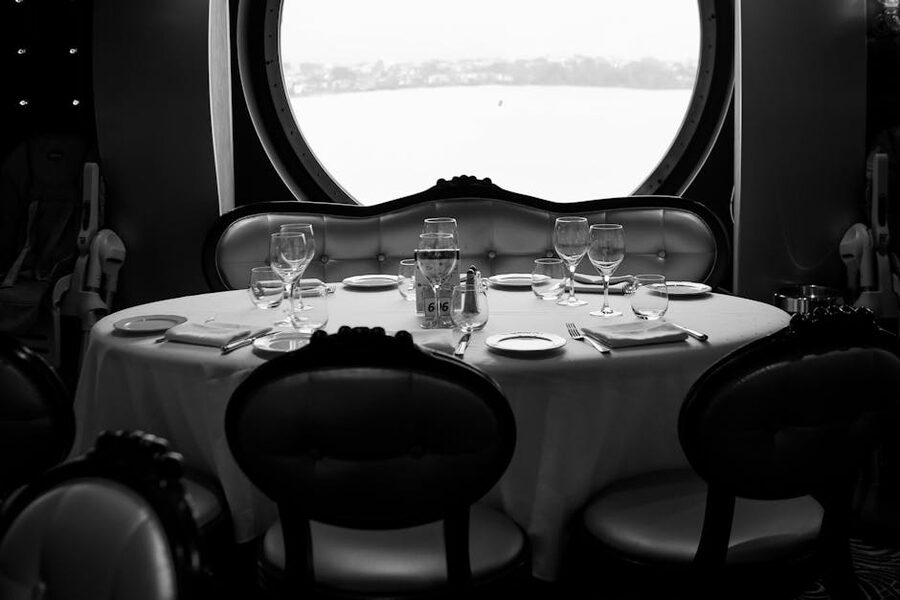
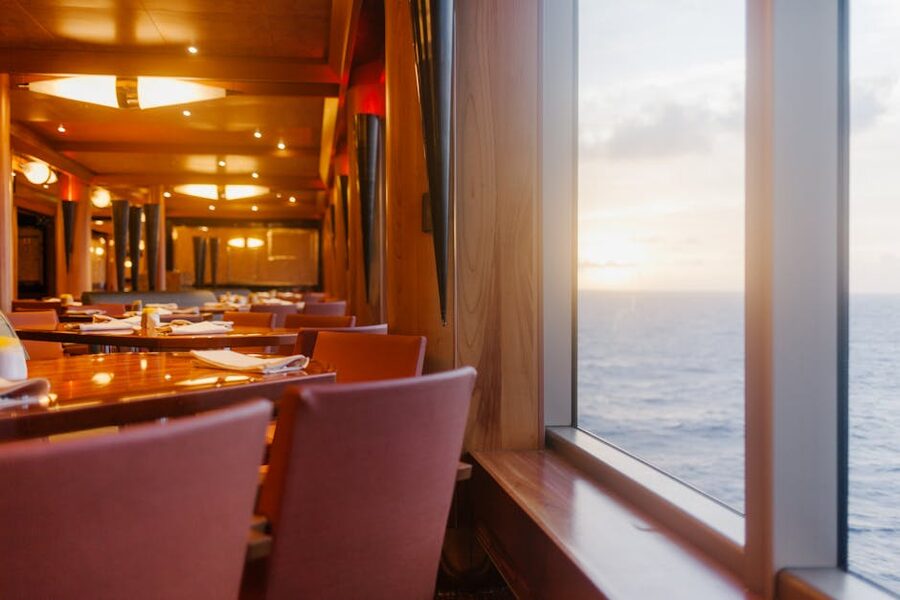
The hardest thing to communicate to someone whose only cruise frame of reference is the mega-ship is the on-board feel. A 200-passenger small ship is structurally different to a 3,000-passenger ship in the same way a country-house hotel is different to a city Marriott. By dinner on day two, the head waiter knows you don’t drink white. By day three, the bartender has stopped asking what you want. By day five, the captain has stopped at your table once because you asked him a question about the previous evening’s anchorage and he wanted to give you the longer answer. There is no buffet line. There is no queue at the gangway. There is no nightly cabaret you politely sit through. The library is a real library: bound books, deep armchairs, a chess set on a side table. The lecture program is run by people who held actual academic posts. The wine list is stocked from a sommelier-led purchasing program rather than a cruise-industry contract.
The dress code question is the one that catches first-timers from the mega-ship side. The major luxury small-ship lines have all dropped formal evenings: Silversea, Seabourn, Crystal, Regent, Hapag-Lloyd, Ponant, SeaDream, Star Clippers, Windstar, Sea Cloud. Dinner anywhere on the ship after six is “elegant casual” in the brochure language, which translates to: trousers and a collar for men, anything from a sundress upward for women, shoes that are not flip-flops. Some lines (Crystal, Hapag-Lloyd, occasionally Silversea) will host one optional formal-style evening per cruise, typically the captain’s welcome reception or a gala dinner, but it is genuinely optional and you will not be turned away from the main dining room without a tie. Pack accordingly. A jacket is useful; a tuxedo is not. On the yacht-style operators (SeaDream, the smallest Windstar ships) the dress code is one tier more relaxed than that.
The other on-board surprise for first-time small-ship cruisers is the entertainment program, or rather the absence of one. The mega-ships compete on Broadway-style productions with thirty-person casts. The small-ship lines do almost none of this. The smallest do none, the larger ones do small jazz trios and an occasional pianist or classical recital. The replacement is the lecture and enrichment program: a resident historian on a Mediterranean run who has actually published on Byzantine Constantinople; a marine biologist on a French Polynesia week who runs a snorkelling briefing in the morning and a coral-reef talk after dinner; a cookery demonstration in the show kitchen with the executive chef. If you went on cruises for the shows, the small-ship category is not for you. If you went on cruises for any other reason, you will not miss them.
Choosing a cabin
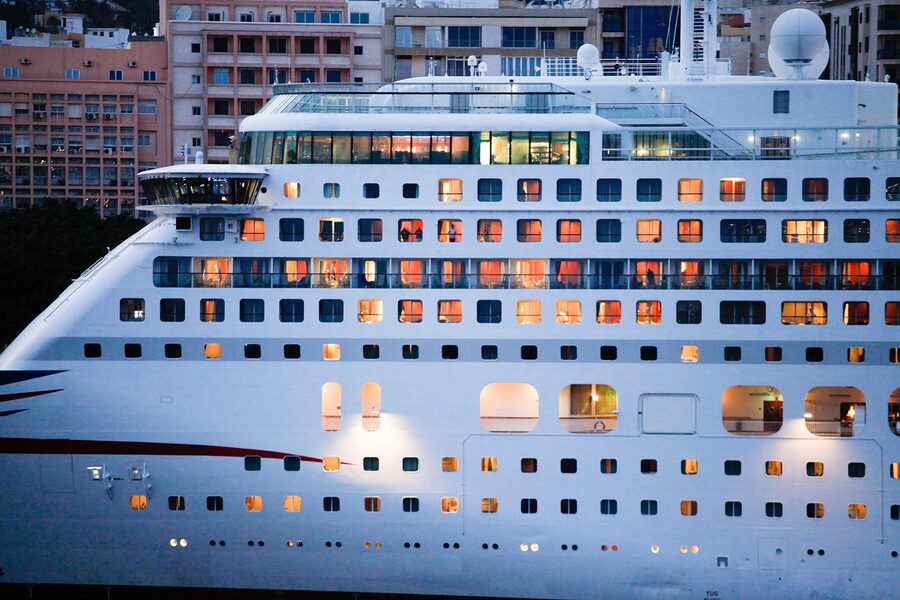
Most cabins on luxury small-ship cruises are already very comfortable. The ships are all-suite or near-all-suite, the entry-level cabin is typically 300 square feet plus a veranda, and the bathrooms are full-size. So the cabin question on a small-ship is not “do I want an inside or an outside” the way it is on a mega-ship. It is “do I want a veranda suite, a penthouse, or an owner’s suite, and is the upgrade premium worth it for this voyage?”
The real answer depends mostly on the length of the voyage. On a 7-night Mediterranean run where you’ll be in port six of seven days and on the ship for dinner and bed, a standard veranda suite is plenty. The 50% upgrade to a penthouse buys you bigger square footage and a separate sitting area, and the value of those is mostly visible on sea days. On a 14- to 21-night transatlantic, transpacific, or grand voyage with a high proportion of sea days, the penthouse upgrade earns its keep, because you will spend genuine waking hours in the suite and the extra space matters. On a 30-night world segment, owner’s suite if your budget runs to it. On a 7-night Caribbean, save the difference and put it into the wine list and the shore excursions.
Two practical points on cabin selection. First, midship cabins are quieter than fore or aft on every ship: less engine noise, less anchor noise, less ship motion in a swell. If you are a poor sleeper, pay the small premium for midship. Second, the higher the deck, the more motion you feel in rough seas; on the smallest ships (Sea Cloud original, the Star Clippers, SeaDream) the difference is meaningful. If you are prone to motion sickness, lower deck midship. If you are not, the upper-deck veranda gets you the better view.
Where to book
The two routes are direct with the cruise line, and through a specialist luxury cruise agent.
Direct booking with the line gets you the line’s own loyalty program (which does matter on a line you might sail more than once, since Silversea Venetian Society, Crystal Society, Seabourn Club all confer real on-board benefits at higher tiers). The lines all have their own promotional fares, and on the smaller voyages a direct call to the line’s own concierge program can occasionally surface a cabin that was not on the public website.
Specialist luxury cruise agents (the Virtuoso member agencies, Cruise Holidays, Avoya, the better independent luxury travel advisors) will often have access to pre-booked group amenities that the lines themselves cannot offer to a direct booker: an on-board credit, a complimentary shore excursion, a free upgrade on sailings where the agent has held a block of cabins. The amenities are real and they can be material on a $20,000 booking. The trade-off is that the agent earns commission from the line, which is fine on a transactional booking but means an agent’s “best line for you” recommendation is rarely entirely independent. Use a specialist for the booking; do your own research on which line and which itinerary to book.
One bookmark for direct booking with the operators we like most: Silversea, Seabourn, Regent Seven Seas, Crystal Cruises, SeaDream Yacht Club, Sea Cloud Cruises, Star Clippers, Windstar Cruises, Ponant, Hapag-Lloyd Cruises, The Ritz-Carlton Yacht Collection. Each operator’s site has its own current itinerary calendar and the cleanest read on cabin availability for the voyages you might be considering.
If you don’t think you like cruising
Most readers I’ve talked to who say “I don’t like cruising” have only ever sailed mega-ships. They have done one Caribbean week on a Royal Caribbean or a Princess in their twenties or with their parents, and the formative impression (the buffet line, the mass-market entertainment, the queue for the tender to a beach resort, the drinks card, the call to dinner over a public address system) has stuck. Almost none of that exists on a luxury small-ship.
The simplest test cruise is a 7-night Mediterranean week on a Silversea Whisper-class ship, or a 7-night SeaDream in the Caribbean in February. Both will land the difference in the first 24 hours. The ship you board is the size of a large country-house hotel. There are no announcements all day. Dinner is open seating, you walk in at any time between seven and nine, you sit at a table for two if you want or a table for eight if you want company. The shore excursion the next morning runs at human pace because the ship has 200 passengers, not 4,000. By the third day you are calling the bar staff by name. By the fifth day you have stopped looking at your watch. By the seventh day, the Royal Caribbean stereotype no longer applies, because what you have just done has nothing in common with it.
The category is real. It is a different product. The reader who thinks they don’t like cruising mostly hasn’t sailed it.


.jpg)

_at_sunrise_near_Venice.jpg)
