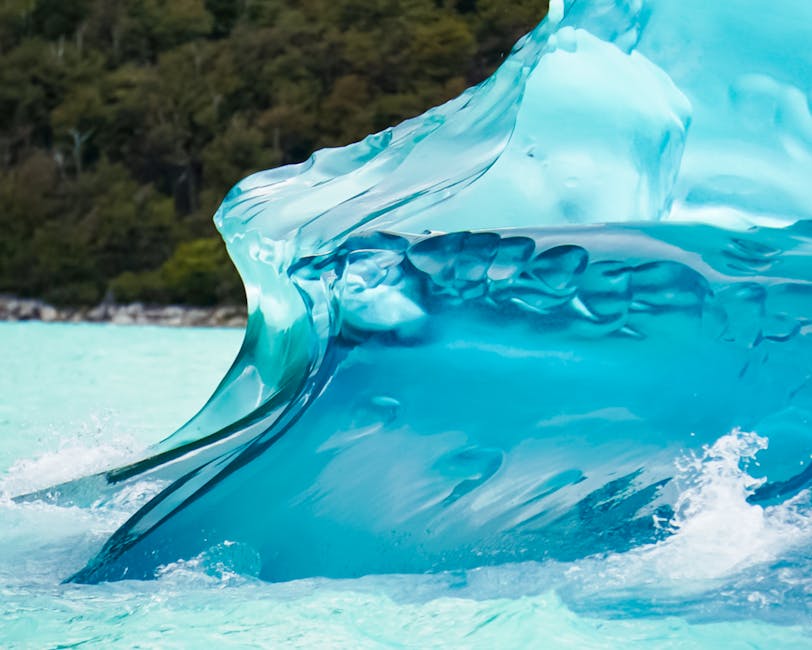
The Zodiac engine cuts and you drift the last twenty metres in toward the cliff. The water under the inflatable goes a colour you have never seen before, somewhere between turquoise and ink, and the wall of ice ahead of you is so blue and so close you can read its grain, the compressed centuries of snow that have squeezed the air out and turned themselves into something denser than water and clearer than glass. Nothing is making any noise. The ten of you sit in your dry suits and your loaner parkas and look up. A piece breaks somewhere, far above, and the crack rolls back down the fjord like a rifle shot, and a flock of cormorants lifts off a ledge you had not noticed. The driver waits a beat, then a beat longer, then turns the throttle and you motor back across the bay toward your ship, three hundred metres long and tiny against the headland.
That moment, twenty minutes off a 220-passenger ship somewhere in the Antarctic Peninsula, is the entire pitch for expedition cruising. You cannot reach it on a 3,000-passenger megaship. You cannot reach it on a conventional luxury small ship moored in a Mediterranean port. You reach it because you are aboard a vessel built for ice, with a Zodiac fleet on davits and a naturalist on board who decided two hours ago that this was the right cliff to drop you in front of.
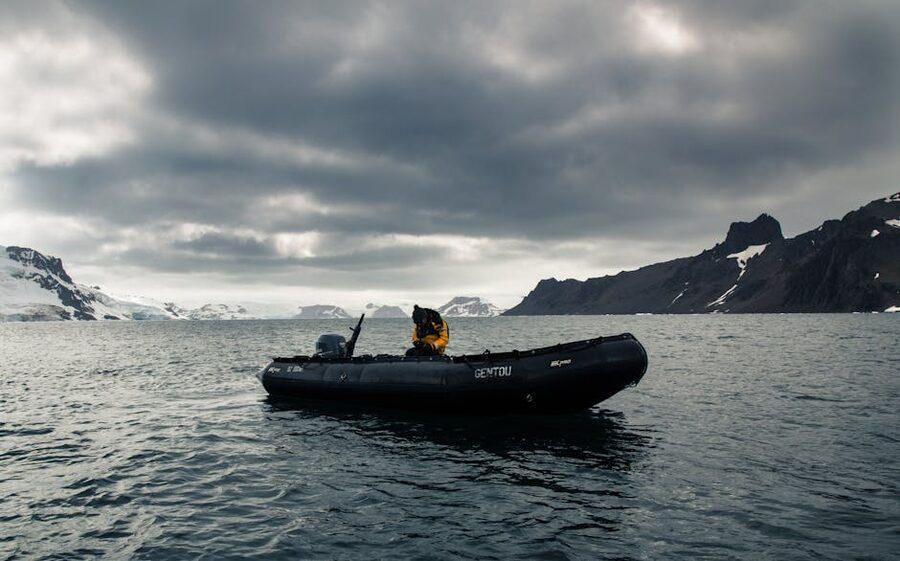
Expedition cruising is its own category. It is not what you get when a regular cruise line adds a kayak excursion to a Caribbean itinerary and rebrands the season as expedition-style. It is a real format with its own ships, its own routes, its own crew, and its own readers. The point of this guide is to lay out which operators take it seriously, which regions are the genuine ones, and how to choose between them when you are ready for your first one.
In This Article
- What makes a cruise actually an expedition
- The categories at a glance
- Antarctica: the flagship destination
- Who runs Antarctica well
- The Arctic: Svalbard, Greenland, the Northwest Passage
- The Galápagos: a different kind of expedition
- The Kimberley: Australia’s expedition coastline
- Russia, Indonesia, and the Subantarctic outliers
- What to look for in the vessel
- The naturalist programme is the difference
- When to go: the season chart
- Cruise versus land: when the cruise is the right call
- What to bring
- Where this fits with the rest of your travel
- One last note on what you’re paying for
What makes a cruise actually an expedition
The word gets used loosely. Three things separate a real expedition cruise from the marketing version of one.
The first is the ship. A genuine expedition vessel carries an ice-class hull rating from one of the classification societies, sails with a fleet of Zodiacs on davits ready to deploy in twenty minutes, and is small enough to anchor in a bay no commercial port can serve. The ratings matter. Lloyd’s Polar Class numbers run from PC1 (heaviest icebreaker) to PC7 (light first-year ice), and you only ever see PC2 through PC7 on passenger ships because nobody has built a PC1 cruise vessel. Ponant’s Le Commandant Charcot is the only PC2 in passenger service worldwide, an LNG-electric icebreaker that can take guests to the Geographic North Pole. Lindblad’s National Geographic Endurance and Resolution are PC5 Category A. Most of the rest of the modern fleet, Silversea’s Silver Endeavour, the Seabourn Venture and Pursuit, Scenic Eclipse II, the Aurora Expeditions trio, sits at PC6, which is enough for the Antarctic Peninsula and for a Svalbard summer but not for the heavy multi-year ice of the Northwest Passage in a bad year.
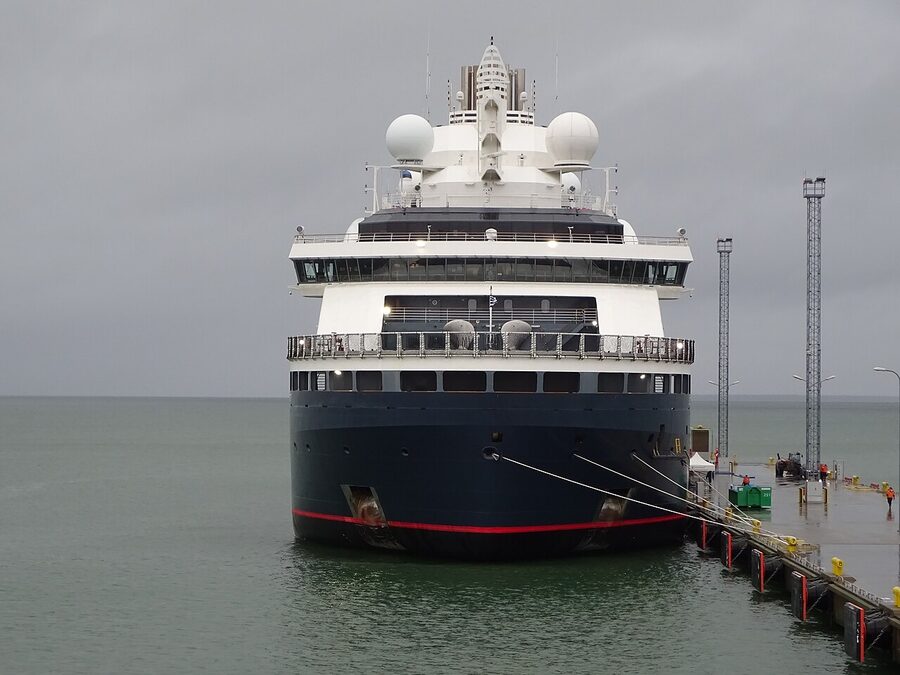
The second is the size. The functional ceiling is around 250 passengers, because the Antarctic Treaty governance group (IAATO) caps shore landings at 100 people on the ground at any one time. Above 200 guests you are running rotations and waiting for your turn; above 500 you are not landing at all. Most of the well-regarded modern expedition fleet sits between 100 and 250.
The third is the team. A real expedition has a dedicated expedition leader and somewhere between ten and thirty specialists on board, biologists, geologists, polar historians, ornithologists, undersea specialists, photographers. Their job is to lecture, drive Zodiacs, lead landings, and (more importantly) decide each morning what the ship will do that day. There is no fixed itinerary on a serious expedition cruise. The captain and the expedition leader meet every evening, look at the weather and the ice, and announce the next day’s plan over the speaker. If a pod of whales shows up off the bow at midnight, the ship stops. If the bay you were going to land in is fogged in, you go to a different bay. The flexibility is the product.
If a brochure tells you the ship sails to “expedition-style destinations” but the vessel has no ice-class rating, no Zodiac fleet on the deck plan, and a six-deck atrium with a casino, the operator is selling you a regular cruise with a different jacket.
The categories at a glance
Before the regional and operator detail, here is the shape of the field as it sits in 2026.
| Tier | Operators | Ship size (typical) | What it gets you |
|---|---|---|---|
| Polar specialist, ice-first | Quark Expeditions, Aurora Expeditions, HX (Hurtigruten Expeditions) | 140–500 pax | The most polar-experienced teams. Activity-led: kayaking, camping, mountaineering options on the right itinerary. |
| Luxury polar with naturalist depth | Lindblad–National Geographic, Ponant | 100–245 pax | Strongest naturalist programmes in the field. Lindblad for the National Geographic team; Ponant for French polish and Le Commandant Charcot for the high Arctic. |
| Ultra-luxury expedition | Silversea Expedition, Seabourn Expedition, Scenic Eclipse, Crystal-era Endeavour (now Silversea) | 200–270 pax | All-suite, butler service, 1:1 crew ratios, private helicopters and submersibles on the most equipped ships. Polish over polar grit. |
| Affordable-luxury and small specialist | Atlas Ocean Voyages, Swan Hellenic, Hapag-Lloyd Cruises (Europa & Hanseatic) | 150–200 pax | The 200-guest yacht-style end. Atlas runs fly-cruise programmes that skip the Drake. Hapag-Lloyd’s Hanseatic ships are bilingual and excellent at expedition. |
| Region-locked specialists | Metropolitan Touring (Galápagos), Heritage Expeditions (Russian Far East, Subantarctic), True North Adventure Cruises (Kimberley) | 16–80 pax | Local-flag operators with permits the international lines do not have. Where they exist, they are usually the right answer for that region. |
The point that’s worth making upfront is that you are not picking the best operator, you are picking the best operator for the region you want to see, on the kind of ship you actually want to live on for two weeks. Those are two different decisions and the answers are not always from the same brand.
Antarctica: the flagship destination
Antarctica is the destination that defines the category. If you only ever take one expedition cruise, this is the one to take. The peninsula is the most accessible part of the continent, the wildlife is dense, the scenery is on a scale that does not have an analogue anywhere else, and the standard 10-to-12-night itinerary out of Ushuaia is well-trodden enough now that the operators have it down to a science.
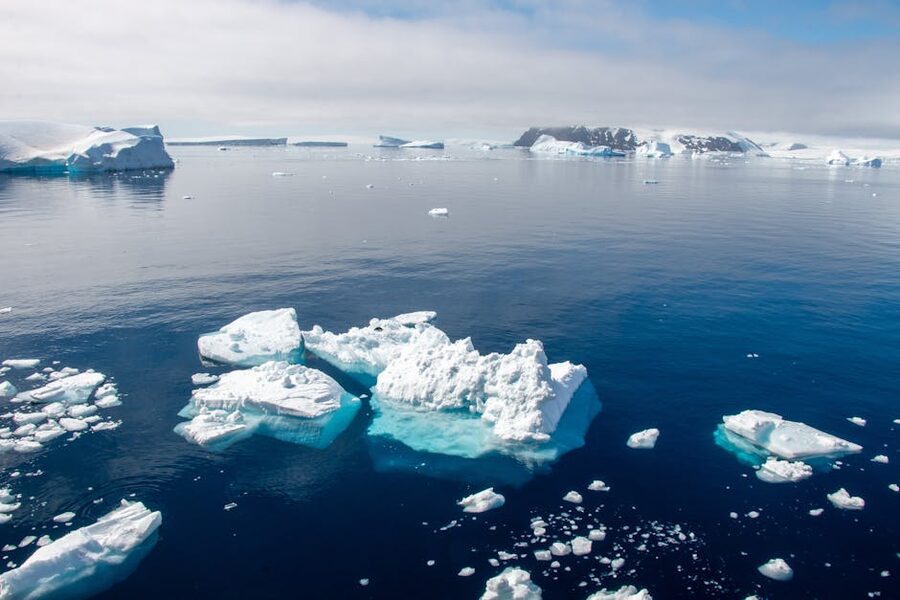
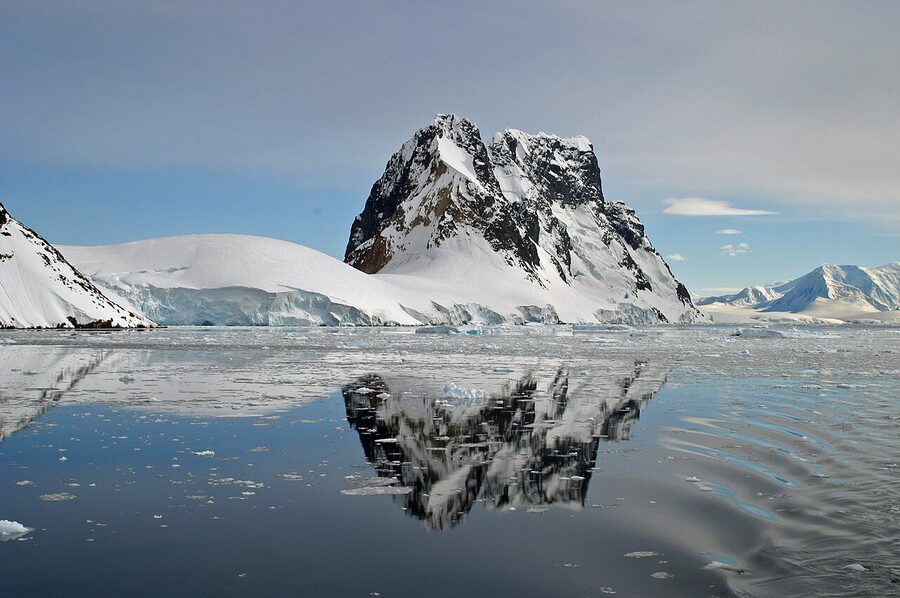
The classic Peninsula trip is roughly two days at sea each way crossing the Drake Passage from Ushuaia, with five to seven landing days in between, working the South Shetland Islands and the western coast of the Antarctic Peninsula. You’ll see chinstrap penguins on Half Moon Island, crabeater seals hauled out on growlers, the volcanic caldera of Deception Island where ships sail through the sea-flooded crater, and the Lemaire Channel, known among guides as the Kodak Gap because of how reliably the light works there.
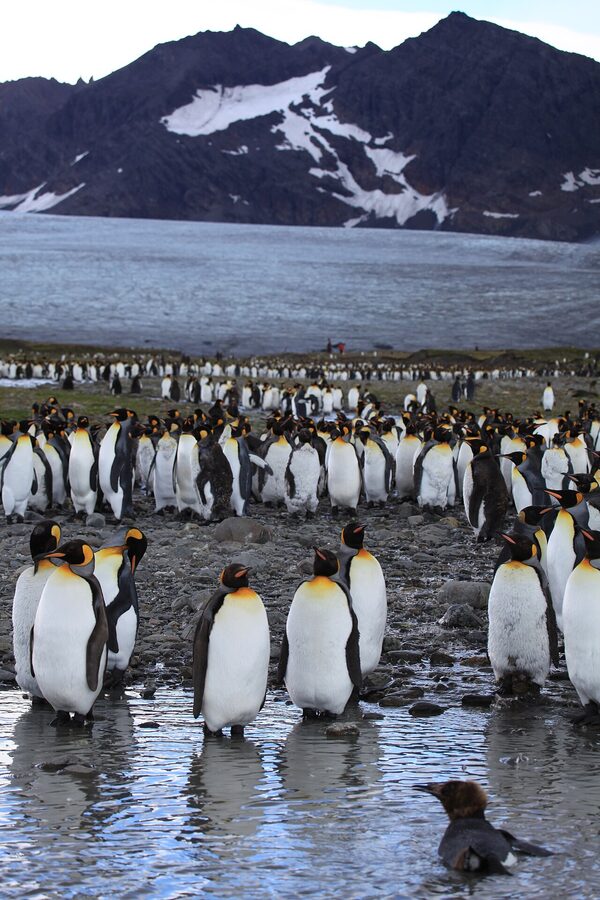
If you have the time and budget for a longer Antarctic voyage, the genuine upgrade is South Georgia, a three-day sail east of the Peninsula. The reason to go is the king penguin colonies, places like St Andrews Bay and Salisbury Plain hold somewhere between 150,000 and 250,000 birds, and the experience of standing fifteen metres from a colony of that size is the rarest thing on offer in any expedition itinerary. The Falklands often pair with South Georgia on the same voyage, adding rockhopper colonies and the only inhabited port on the route. These trips run 18 to 22 nights and they cost roughly twice the standard Peninsula price, but if you can carve out the time, the Peninsula trip without South Georgia feels in retrospect like the warm-up.
The Ross Sea trips, sailing from New Zealand or Hobart on the other side of the continent, are the rarest of the Antarctic voyages. They take a month, they cost upwards of $50,000 per person, and they reach the historic huts of Scott and Shackleton on Ross Island and the world’s largest ice shelf. Heritage Expeditions out of New Zealand and Quark on the Ultramarine are the operators currently running these. They are voyages for the third or fourth-time Antarctic traveller, not for a first trip.
Who runs Antarctica well
The serious shortlist for the Peninsula:
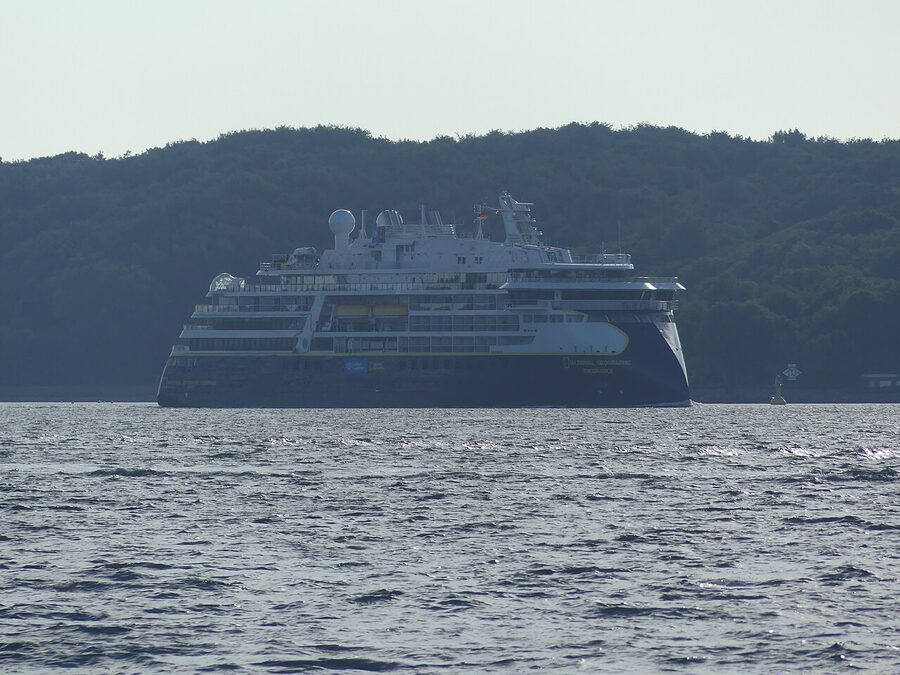
Lindblad–National Geographic. The naturalist programme is the deepest in the industry and the National Geographic photographers on board are real working contributors to the magazine. Their two newest ships, National Geographic Endurance and Resolution, are PC5 Category A, a higher ice rating than any of the ultra-luxury competitors. Choose them if the on-board education matters most.
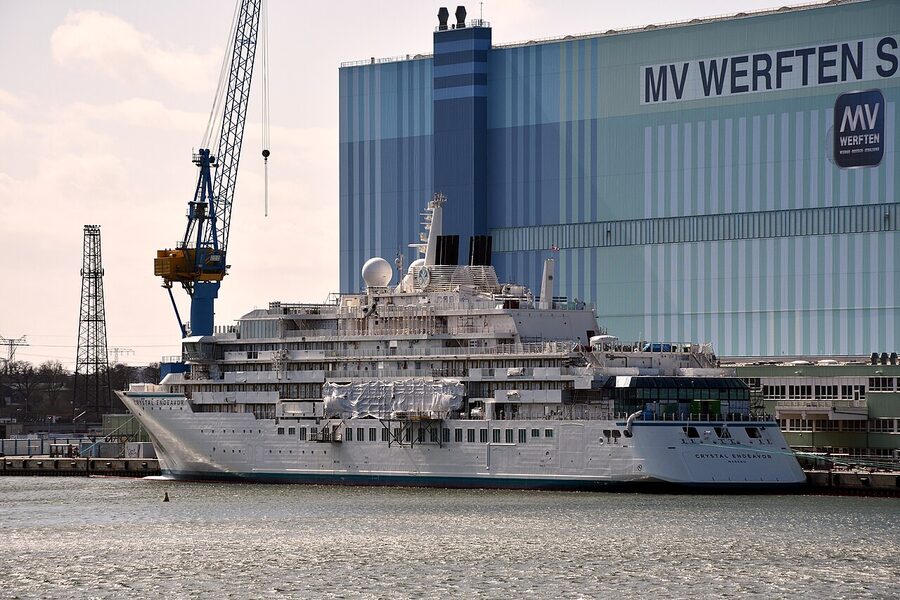
Silversea Expedition. The polish end of the spectrum. Silver Endeavour, the former Crystal Endeavor that Silversea acquired and refit in 2022, is the largest ice-class expedition yacht afloat at 220 passengers and a 1:1 crew ratio. Silver Cloud and Silver Wind also run the season, an older but capable fleet. Butler service, all-inclusive drinks, the Asprey toiletries, the Relais & Châteaux dining. Choose them if the days at sea on the Drake are part of the holiday rather than a gauntlet.
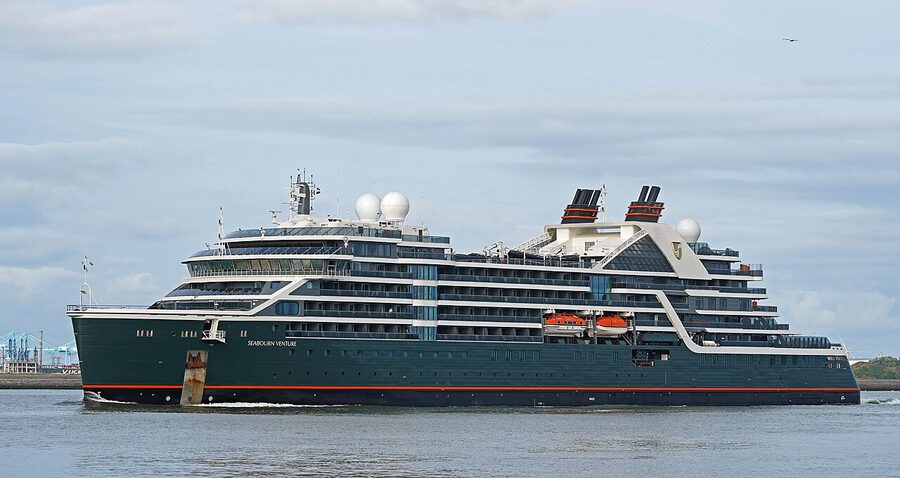
Seabourn Expedition. Two purpose-built sister ships, Seabourn Venture (2022) and Seabourn Pursuit (2023), 264 guests, PC6, with the all-suite Seabourn DNA you know if you’ve sailed the parent line. The submarine programme that launched with the ships is being wound down after the 2025–26 Antarctic season, though Zodiacs, kayaks and the kayaking platform stay. The 19-strong expedition team is genuinely strong; the optional shore experiences are well-chosen. Choose them if you already know Seabourn.
Scenic Eclipse and Eclipse II. The “discovery yacht” pitch, 228 guests, PC6, 1A-Super hull, two onboard helicopters (Airbus H130-T2s) and a six-passenger Triton submersible called Scenic Neptune that goes to 200m. The included helicopter flightseeing is the differentiator that nobody else matches at this scale. Drinks, gratuities, and most excursions are all-inclusive. Choose them if the toys matter and you want the helicopter circuit over the Peninsula.
Quark Expeditions. The old polar specialist. Their flagship Ultramarine carries two twin-engine Airbus H145 helicopters operating off two separate helidecks, which is the only platform that lets two helis work at once. Smaller and more spartan than the ultra-luxury alternatives, but the kit is built for activity, kayaking, camping, ski-touring options on the right departures. Choose them if you want the most active polar week available.
Ponant. The French alternative, six PONANT Explorer-class yachts (the Le Lapérouse / Le Champlain / Le Bougainville / Le Bellot / Le Jacques-Cartier / Le Dumont-d’Urville sisters) running 184 guests apiece, plus the icebreaker Le Commandant Charcot for the seriously high latitudes. Design-led, French wine list, fewer Americans on board. Choose them if you want the Ponant aesthetic and a quieter ship.
Aurora Expeditions. Australian, three-strong fleet (Greg Mortimer, Sylvia Earle, Douglas Mawson, that last one launched in late 2025), all built with Ulstein’s distinctive X-Bow which cuts wave impact in heavy seas. Around 130 guests on expedition mode. Strong on the Subantarctic Islands and the Kimberley. Less-polished cabins than the ultra-luxury lines; better value than them too if value is part of the calculus, which on this site it usually isn’t.
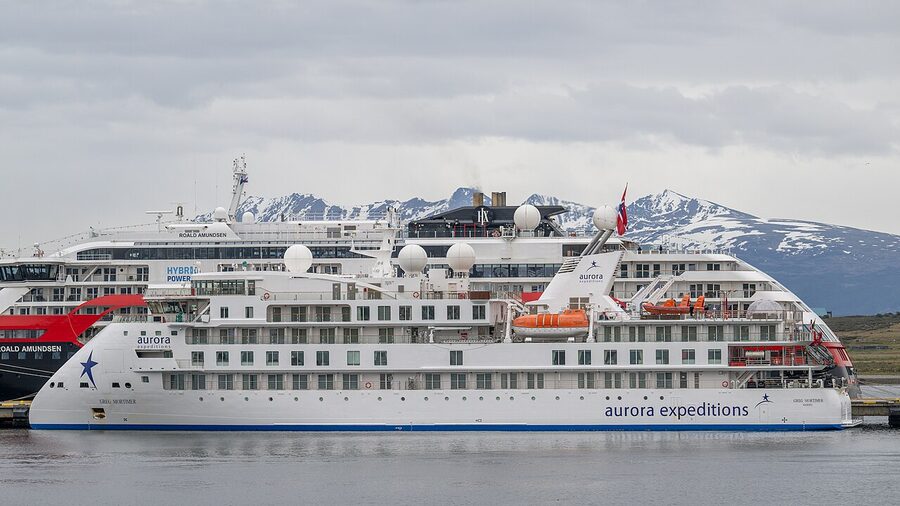
HX (formerly Hurtigruten Expeditions). The Norwegian heritage operator, rebranded from Hurtigruten Expeditions to HX in late 2023 to separate the expedition fleet from the Norwegian coastal route. Roald Amundsen and Fridtjof Nansen are their hybrid-electric flagships. Mid-tier on luxury; serious on the science programming. Choose them for the Antarctic itineraries that include the Falklands and South Georgia at the lower end of the price band for that itinerary.
Atlas Ocean Voyages. The youngest of the operators on this list, World Navigator (2021), World Traveller (2022), World Voyager, three near-identical 196-guest yachts. Their differentiator is the “Fly the Drake” option, where you fly between Punta Arenas and King George Island and skip the two days at sea each way. Antarctica programming runs November to March; from April 2026 they reclassified everything as suites. Choose them if the Drake crossing is the part of the trip you’d most like to skip.
The Arctic: Svalbard, Greenland, the Northwest Passage
The Arctic season is short, June through August in the high latitudes, with shoulder departures in late May and early September. Three regions and they are genuinely different products.
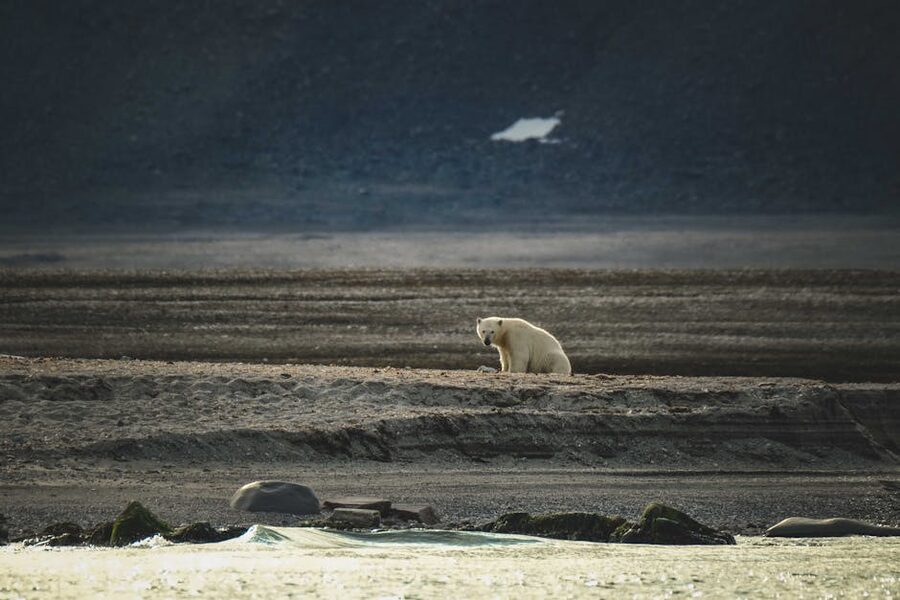
Svalbard is the easiest. The Norwegian archipelago at 78–80°N is the most reliable polar bear habitat on the cruise circuit (the local guides reckon roughly half of all expedition Svalbard departures see one), with walruses hauled out in colonies, ice cliffs calving into the fjords on the western coast, and the polar desert tundra of the inland glaciers. The standard trip starts in Longyearbyen, the world’s northernmost civilian town, and circumnavigates Spitsbergen over 8 to 12 nights. Aurora, Quark, HX, Ponant and Lindblad all run the season. The polish-versus-grit tradeoff is the same as Antarctica.
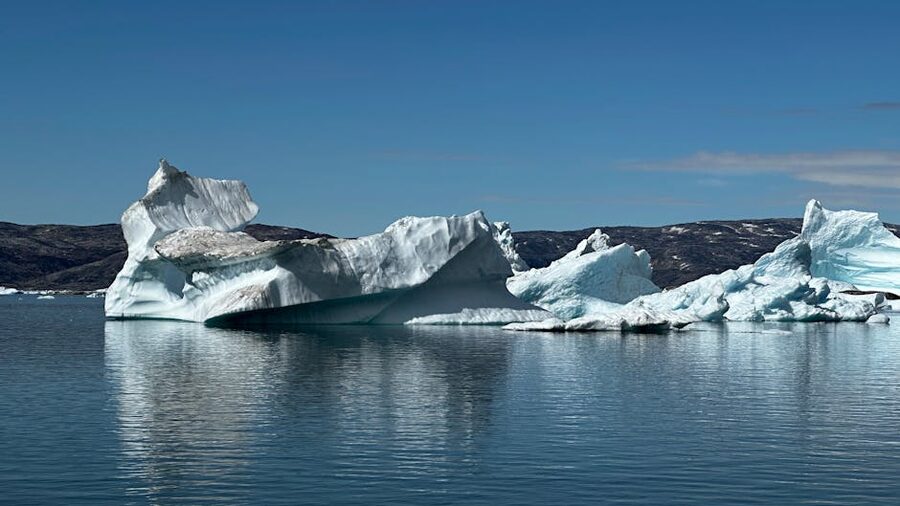
Greenland is bigger, more variable, and on its own usually a longer trip. The east-coast itineraries (Tasiilaq, Scoresby Sound, the world’s largest fjord system) get you the dramatic icebergs and the Inuit settlements. The west-coast trips include Disko Bay and the Ilulissat icefjord, where the icebergs that come down through the fjord are the same ones that make the news in mid-Atlantic shipping warnings. The September Greenland departures coincide with the autumn colour on the tundra and the early aurora, a quieter alternative to the height of summer.
The Northwest Passage is the genuinely rare itinerary on this list. Twenty-one to twenty-five nights, starting in Greenland or Nome, transiting the Canadian Arctic Archipelago over the few weeks each summer the ice opens enough to permit it, calling at Inuit communities and the historic sites of the failed nineteenth-century expeditions, finishing in Greenland or Alaska depending on direction. Only a handful of operators sail it: Ponant on Le Commandant Charcot, Silversea on Silver Endeavour, Lindblad–National Geographic, HX, Seabourn (Venture is announced for August through October 2026), and a small number of specialist charters. Departures sometimes get re-routed mid-voyage when the ice closes the route. The trip costs anywhere from $35,000 to over $80,000 per person depending on the operator; for the cruiser who has done the Antarctic Peninsula and Svalbard, it is the next thing on the list.
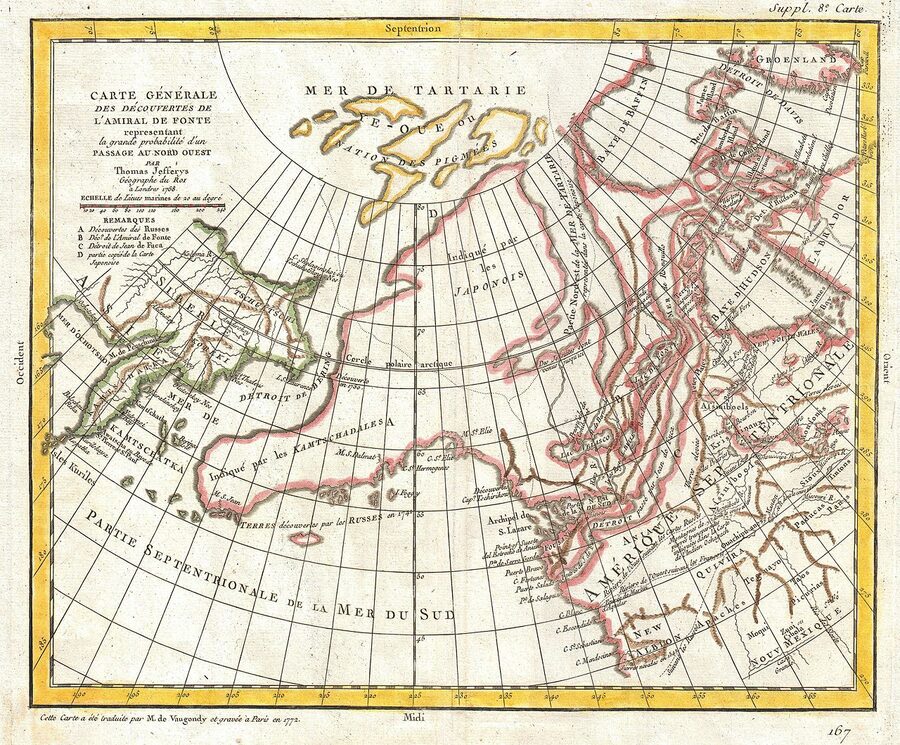
For the genuinely high Arctic, the Geographic North Pole, the heaviest pack ice, the routes that need PC2 hull strength rather than PC5 or PC6, Ponant’s Le Commandant Charcot is currently the only commercial passenger option. Three-week trips, prices upward of $50,000 per person, and waitlists.
The Galápagos: a different kind of expedition
The Galápagos is on every expedition operator’s brochure and almost none of them actually sail it themselves. The reason is regulatory: the Galápagos National Park requires Ecuadorian-flagged vessels with a finite number of cruise permits, all of which were allocated decades ago. International operators don’t get new licences. They charter from local operators or they don’t sail.

The shortlist of who actually owns and sails the licensed vessels is short. Metropolitan Touring is the dominant local operator, they own the original three-island licenses and run their own ships (Santa Cruz II, Isabela II, La Pinta) plus charter their fleet to international brands including HX and others. Silversea built the Silver Origin specifically for the Galápagos, the only purpose-built ship in the islands. Lindblad operates two ships there year-round (National Geographic Endeavour II and the new National Geographic Islander II). Ecoventura, Quasar, and a number of smaller Ecuadorian operators run yacht-style sailings, often with stronger naturalist credentials than the larger ships.
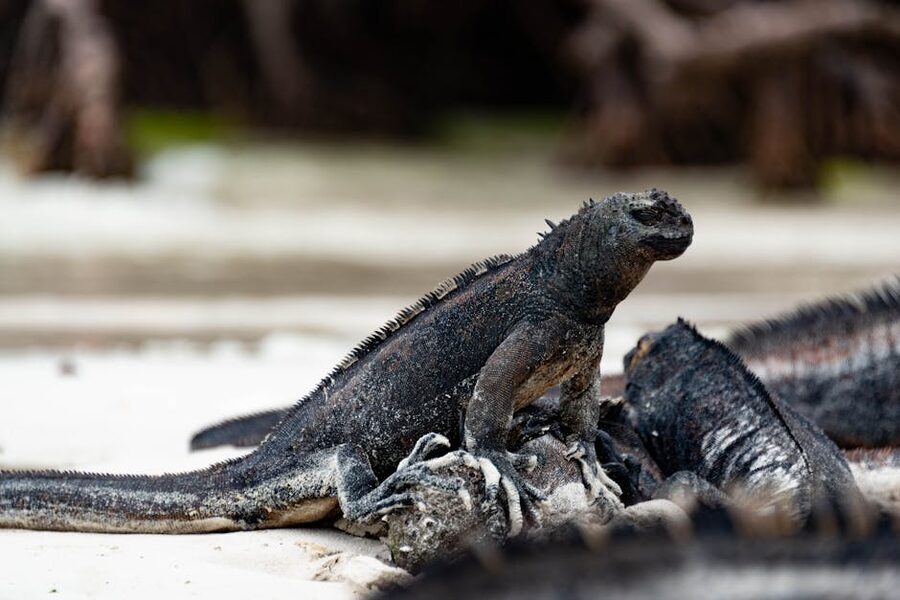
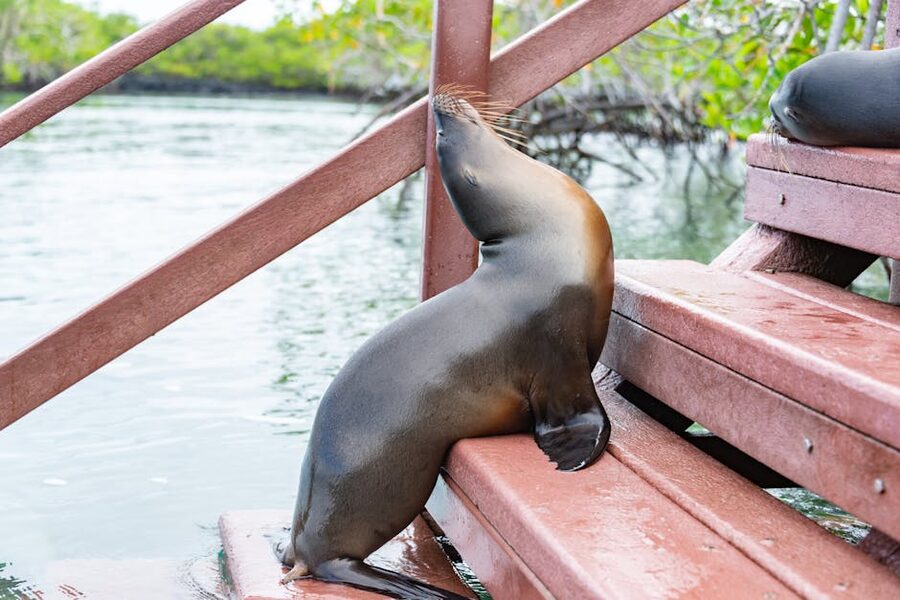
The trips are short, typically 7 nights, sometimes split into a 4-night western or a 3-night eastern itinerary, and follow tightly choreographed itineraries set by the National Park. Two Park-licensed naturalists per twenty guests, two activities a day (a morning walk or panga ride, an afternoon snorkel or beach), back to the ship for lunch and dinner. The wildlife is the main event and the wildlife is uniquely cooperative, because the animals on the Galápagos have evolved without land predators and have never learned to be afraid of you. You will get within two metres of a marine iguana, a sea lion, a blue-footed booby. The flying birds will not fly away as you approach.
The Galápagos is also one of the few destinations on this list where the cruise-versus-land call genuinely goes either way. A land-based island-hopping trip from one of the boutique hotels on Santa Cruz or Isabela gets you more time on fewer islands, more time with local guides, the chance to dive multiple sites with the same dive operator over a few days, and dramatically lower carbon. A cruise gets you more islands, the moves done while you sleep, the National Park’s licensed mooring access for the dawn landings, and the photographer’s dream of a different bay every morning. If the wildlife is the priority, take the cruise. If the islands themselves are, take the hotel.
The Kimberley: Australia’s expedition coastline
The Kimberley coast in northwest Australia is the southern hemisphere’s other great expedition destination. Two thousand kilometres of largely uninhabited coastline between Broome and Darwin, accessible only by air, by 4WD overland, or by small expedition vessel. The dry season runs roughly April through October, outside that window the wet renders the rivers unnavigable and the heat becomes its own deterrent.
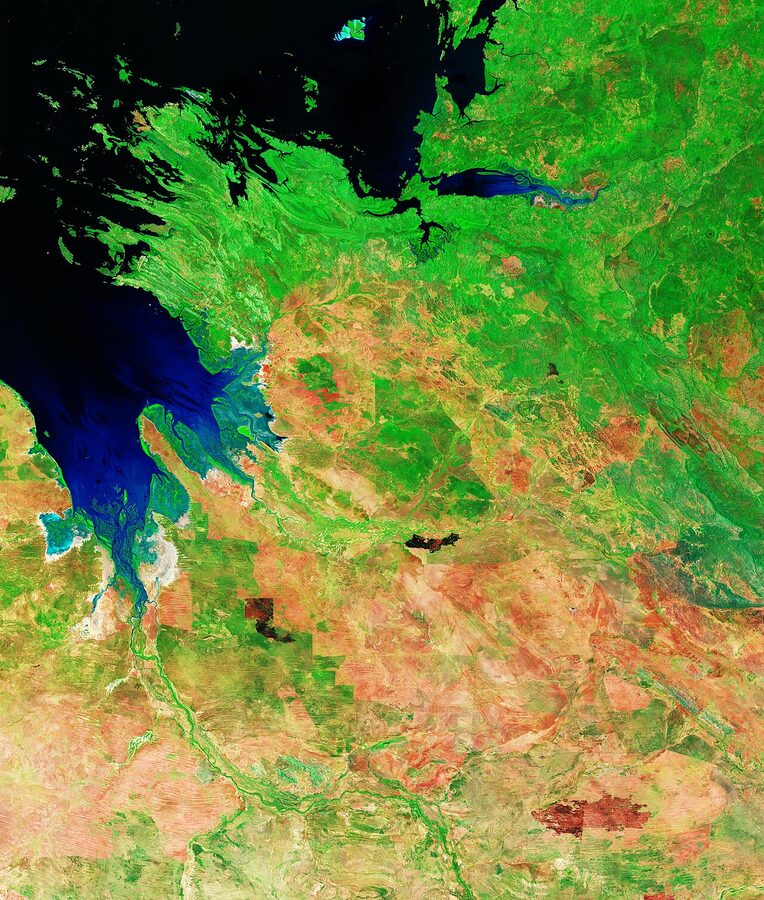
The standard 10-to-12-night Kimberley itinerary works the inlets, gorges and waterfalls between the two ports, the Horizontal Falls (a tidal phenomenon where ten metres of water column squeezes through narrow channels in the King Sound), King George Falls (a twin cascade you can take a Zodiac up to), Mitchell Falls (typically a helicopter excursion off the ship), the Hunter River, Montgomery Reef (a coral reef that “rises” out of the ocean by four metres at low tide). The Indigenous rock art at sites like Raft Point and Bigge Island is among the oldest continuous artistic tradition on earth.
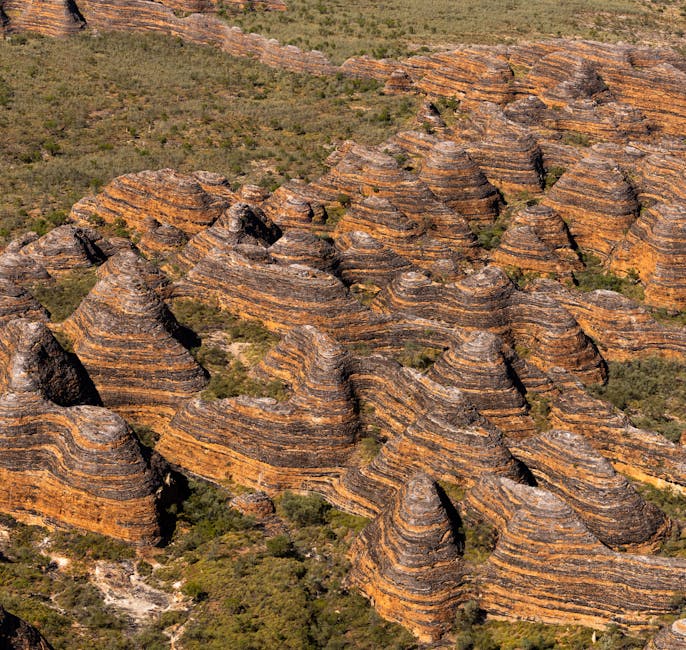
Operators worth knowing in the Kimberley: True North Adventure Cruises (Australian, 36 guests, the smallest and most active), Coral Expeditions (the local heritage operator, three small ships including Coral Adventurer), Ponant (Le Lapérouse and sisters on the larger end, with the helicopter excursions), Silversea on Silver Cloud, and Aurora Expeditions on the Greg Mortimer. Seabourn announced its Kimberley debut for 2024 on Pursuit. The smaller the ship, the more rivers you can navigate up; the smallest operators get to places the bigger luxury lines miss.
Russia, Indonesia, and the Subantarctic outliers
A few more regions worth flagging:
The Russian Far East and Bering Sea. The voyages along the Chukotka and Kamchatka coastlines, Pacific walrus haul-outs at Cape Navarin, brown bears at the salmon runs, the Avacha volcano group, were one of the great expedition routes of the 2010s. Sanctions and access restrictions following 2022 have made this category effectively impossible for most international operators to schedule reliably. Heritage Expeditions from New Zealand, with longer-standing local relationships, has continued some programming on a year-by-year basis; verify current availability before getting attached to the idea. If sanctions ease, this is one of the rarest itineraries to come back online.
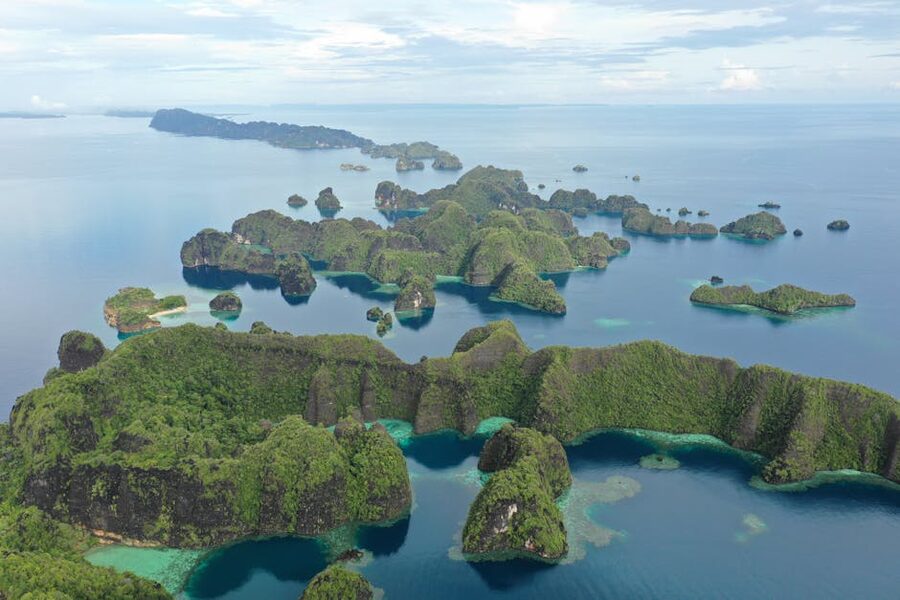
Indonesia: Raja Ampat, Komodo, the Spice Islands. The high end of small-ship Indonesia is its own universe, partly because the genuinely interesting product is the phinisi schooners (traditional Sulawesi-built two-masted wooden vessels) operated by lines like Aman (Amandira), Alila, the boutique Silolona and Si Datu Bua, and a number of charter operators in Bali. Eight to twelve guests, fully staffed, and itineraries that cross the Wallace Line into the most biodiverse waters on earth. Larger expedition operators (Silversea, Ponant, Lindblad) also do Indonesia voyages, but for Raja Ampat specifically the phinisi format works better, the boats are smaller, the dive guides are local, and the moves between islands are short.
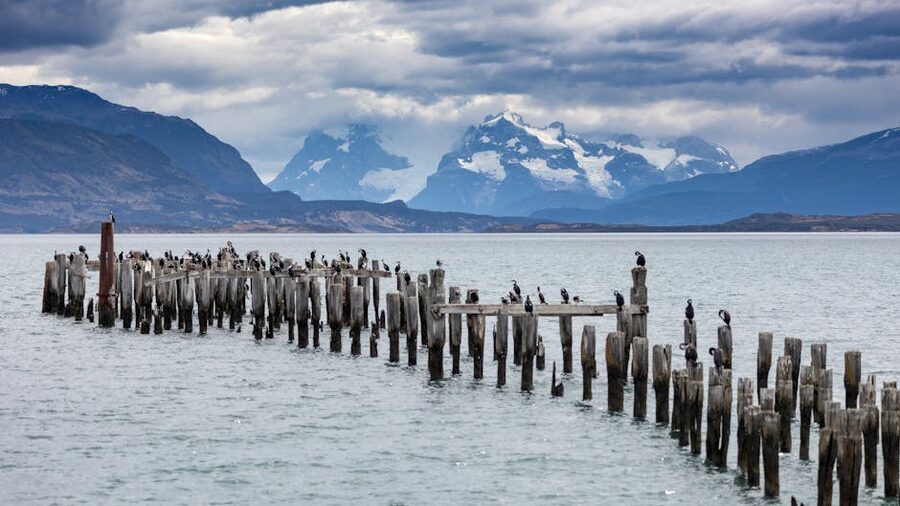
Patagonia and the Chilean fjords. Less rigorous than Antarctica but on the same hemisphere and the same season, November through March. Four-to-seven-night voyages out of Punta Arenas through the Beagle Channel, the Chilean fjords, with calls at Cape Horn (weather permitting). Australis is the regional specialist with two purpose-built ships and the only itinerary that consistently lands at Cape Horn; Silversea, Ponant and Viking all run the region as part of longer South American sailings.
The Subantarctic islands. The Snares, Auckland Islands, Campbell Island, and Macquarie Island are the spectacular remote-bird-colony destinations south of New Zealand. Heritage Expeditions and a handful of others run the season. Three weeks at sea for the kind of avian density you cannot get anywhere else on the planet.
What to look for in the vessel
Once you have the region and the operator down, the vessel choice within an operator matters more than people expect. The questions that sort the brochure photo from the actual experience:
Polar Class rating. PC2 (Le Commandant Charcot) is the only icebreaker. PC5 Category A (Lindblad’s Endurance and Resolution) lets the ship stay in heavier ice through the polar night. PC6 (most of the modern expedition fleet) is enough for the standard Antarctic Peninsula and Svalbard summer seasons but it’s not for transiting heavy ice. Below PC6, what’s sometimes labelled “ice-strengthened” without a class rating, is not really an expedition vessel for polar work.
Zodiac fleet count. A 200-passenger ship needs at least 14 to 16 Zodiacs to land everyone in one shift. Fewer than that and you’re rotating, with half the ship waiting on the deck while the other half lands. Ask. The number is on the deck plan.
Helicopter pad. Quark’s Ultramarine has two helidecks running two H145s simultaneously. Scenic Eclipse II has two Airbus H130s. Le Commandant Charcot has two Airbus H145s. These are the only ships where a guaranteed flightseeing experience is part of the trip. Lindblad and a few others have a single helicopter on selected itineraries.
Submersible. Scenic Eclipse II runs Scenic Neptune, a Triton 660-9 AVA carrying eight passengers plus a pilot to 200 metres. A few other operators offered submersibles in the post-2020 fleet but Seabourn announced in early 2026 that they would be retiring the submarine programme on Venture and Pursuit after the current Antarctic season, engagement was lower than expected and the maintenance burden too high. Submersibles are the rarest of the on-board kit and the most weather-dependent; book an itinerary that has them, but don’t book solely for them.
Ice-strengthened bow design. Aurora Expeditions and a handful of newer European yards have built ships with the Ulstein X-Bow, an inverted bow that cuts wave impact rather than riding over swells. On a Drake Passage crossing the difference is real. If you are seasickness-prone, the X-Bow ships are noticeably better.
Single-cabin pricing. Single supplements on expedition cruises are punitive across the board, typically 175 to 200 percent of the per-person twin price. A handful of departures each year on most operators waive the supplement; Atlas, HX and Aurora all run no-supplement promotions periodically. Worth asking.
The naturalist programme is the difference
The spec sheet matters. The team matters more. Two ships with the same Polar Class rating, the same Zodiac count, and the same all-suite cabins can deliver completely different trips depending on who is on board running the lecture programme and the daily operations.
The flagship is Lindblad–National Geographic. The relationship goes back to a partnership formed in 2004; the National Geographic photographers on selected sailings are real working contributors to the magazine; the on-board geologists and biologists tend to be people whose published work shows up in the syllabus of the lectures they are giving. The ship fleet is smaller than the big luxury operators’ but the educational depth is the trade.
Ponant deploys polished naturalist programmes through their CONNECT lecture series, with strong photographer-in-residence offerings on select itineraries. Quark hires the longest-tenured polar guides in the industry, many of them ex-British Antarctic Survey, ex-Canadian Coast Guard, or with full doctoral credentials in ice physics or marine biology. Seabourn’s 19-person expedition team is the largest on a single ship for a luxury operator. Hapag-Lloyd runs bilingual German-English programming on Hanseatic Inspiration and Hanseatic Nature with a strong naturalist tradition.
The mid-tier and ultra-luxury operators have all caught up to the Lindblad standard in the last decade. None of them have surpassed it.
When to go: the season chart
Each region has a tight window. Get the season wrong and the trip changes character or doesn’t run at all.
| Region | Season | Peak | Why this window |
|---|---|---|---|
| Antarctic Peninsula | November to March | December to mid-February | Wildlife at its densest, longest daylight, manageable ice. November is penguin courtship; January and February are chicks; March is whales as krill blooms peak. |
| South Georgia + Falklands | October to March | November and December | King penguin colonies at maximum density before the winter dispersal. |
| Ross Sea | December to February | January | The shortest window of any expedition region; dictated by pack ice opening. |
| Svalbard | May to September | June and July | 24-hour daylight, polar bears on the receding ice edge, peak walrus and seabird activity. |
| Greenland | June to September | July and August | Ice-free fjords, Inuit settlement access; September departures pick up early aurora. |
| Northwest Passage | August to mid-September | Late August | The narrow window the ice opens. |
| Galápagos | Year-round | December to May (warm/wet); June to November (cool/dry) | Different wildlife behaviour each half of the year; both are good. |
| Kimberley | April to October | June to August | Dry season; the wet renders rivers unnavigable. |
| Indonesia / Raja Ampat | October to April | November to March | Drier weather, calmer seas; outside this window monsoon limits dive visibility. |
| Patagonia / Chilean fjords | October to April | December to February | Same southern summer as Antarctica. |
Cruise versus land: when the cruise is the right call
Not every region with an expedition cruise option is best done that way. The straight version:
Antarctica: cruise only. There is no land-based Antarctic alternative for the leisure traveller. The handful of fly-in camps at Union Glacier and similar are research-station hospitality at one or two orders of magnitude more expensive than even the luxury cruises. If you want to go to Antarctica you take a cruise.
Galápagos: real choice. Cruise or land-based island hopping both work. See the Galápagos section above.
Kimberley: cruise is the practical answer. Land access is limited to a handful of overland 4WD operators and the tiny number of homestead lodges. The cruise is the standard way in.
Arctic Norway: usually cruise, sometimes overland. Svalbard you can fly in to and base in a Longyearbyen hotel, but the wildlife you see from a Spitsbergen circumnavigation cannot be matched from any single hotel. For mainland Arctic Norway (Tromsø, Lofoten, the Lyngenfjord) a land-based trip is often better; the coastal voyage is for combining many ports in one go.
Greenland: depends. A land-based stay in Ilulissat works for the iceberg viewing and a settlement walk. A cruise gets you the entire west or east coast in one week, which a land trip cannot match.
Indonesia / Raja Ampat: phinisi cruise. Land-based dive resort options exist (Misool Eco Resort, Papua Diving) and they are extraordinary, but for moving across the archipelago, the boats win. Many travellers do both, a few nights at the resort, a week on a phinisi.
What to bring
Most expedition operators provide a parka (often yours to keep) and waterproof boots that you return at the end of the trip. Verify what’s included before you pack. The polar trip uniform is a layered base + insulation + waterproof shell system; the parka the operator provides handles the shell layer, and you bring the rest.
What you actually need that they don’t provide:
Layered base. Merino wool base layers are the polar default. Two sets minimum, ideally three. Bring synthetic gym layers for back-up; cotton is useless at temperature.
Insulation. A heavy fleece and a midweight down or synthetic insulator. Worn under the operator’s parka shell.
Waterproof trousers. Mandatory for wet landings, you’ll wade ashore in shin-deep water on most polar landings. Cheap plasticky ones are fine; save the budget for the boots and the camera.
Gloves. Liner gloves under proper insulated gloves. The liners let you operate a camera or phone without losing all your fingers in three minutes.
Polarised sunglasses. Bright sun on snow is fierce. Bring spares.
Binoculars. 8×42 is the standard wildlife specification; 10×42 if you have steady hands and want a bit more reach. The ship will have some on board to borrow but having your own around your neck during landings makes a difference.
Camera body and a long lens. If you take photography seriously, an APS-C or full-frame body with a 100–400mm or 200–600mm lens is the right setup for wildlife. A second body with a 24–70mm for the landscape work spares you swapping lenses on a rolling Zodiac. Spare batteries, cold weather kills them. Plenty of cards.
A small dry bag. For the camera and the phone in the Zodiac. The operator will hand you a larger one for the parka, but small camera-sized dry bags are awkward to source last-minute.
Seasickness medication. Even on the X-Bow ships the Drake can be heavy. The patches (scopolamine) work better than the pills for most people. Get a prescription before you go.
Where this fits with the rest of your travel
An expedition cruise is rarely the only thing on a serious trip. The Antarctic voyages out of Ushuaia pair beautifully with a few nights in Buenos Aires or Patagonia at either end. The Svalbard trips slot together with Norway proper, Tromsø, the Lofoten Islands, even the tail of the Central European route. The Galápagos is the classic combination with Machu Picchu and the Sacred Valley as a single Ecuador-Peru extension. Raja Ampat works as the marquee destination on a wider cruising portfolio that already includes the Mediterranean small-ship season.
Some travellers build the expedition leg into a longer round-the-world itinerary on their own time; for the high end of that, the privately-guided around-the-world by private jet route is one of a handful of formats that combines expedition voyages with ground programmes in fifteen-to-twenty countries on a single trip. Lebanon, Bhutan and Geneva, three of the destinations covered elsewhere on this site, are all natural extensions for the traveller who’s done their first expedition cruise and is building outward from there.
For the reader who’s never done a small-ship cruise of any kind, the right advice is not to start with Antarctica. Norway in summer or the Galápagos year-round are softer entry points, same format, milder conditions, easier logistics, and they tell you whether the expedition cruise format is for you before you commit two weeks and a five-figure deposit to a Drake Passage crossing.
One last note on what you’re paying for
The expedition cruise market is one of the few segments of luxury travel where the marketing budget across the major operators is dominated by the on-board spend rather than the ship hotel. The all-suite cabins, the included drinks, the butler service, those things show up on a Mediterranean Silversea sailing too. What you cannot get on that Mediterranean sailing is the meteorologist, the marine biologist, the second helideck, the ice-strengthened bow that lets the captain push into a fogged bay and find a leopard seal you would never have seen from the deck. The price you pay above a regular small-ship cruise is the price of getting the ship and the crew and the team into a place with no port, no hotel, and no other tourists. Most readers who’ve done one come back saying the same thing, that the next holiday is going to be another expedition. It is its own form of travel and once you’ve done it the rest of cruising looks like something else entirely.


_-_Fesformation.jpg)
.jpg)


