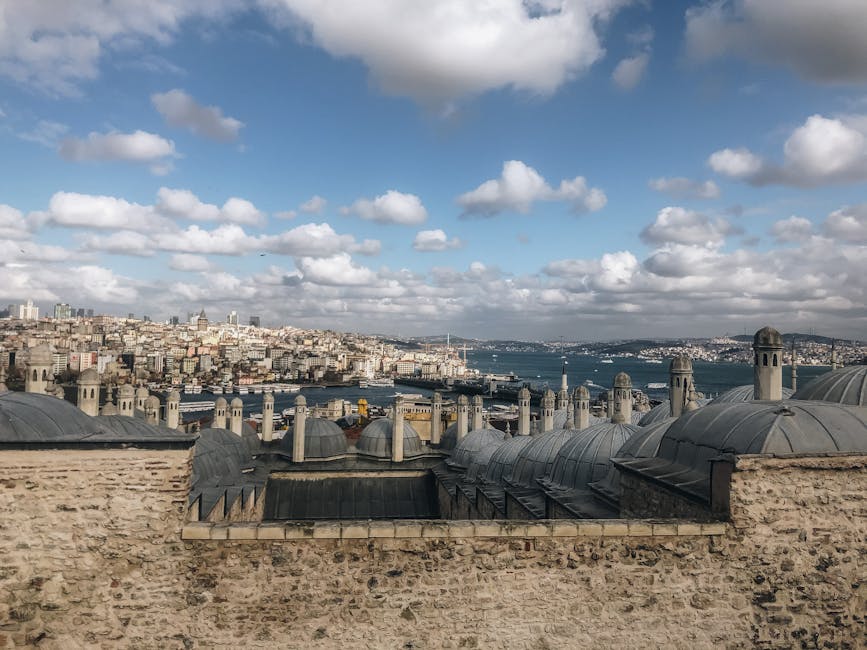
Istanbul is the only major city in the world that sits on two continents. You can stand on a hotel terrace in Beşiktaş, look across the water, and see Asia. Walk three streets the other way and you’re back inside the walls of what was Constantinople. No other city makes you feel the seam quite like this one, and the practical implication for anyone planning a luxury trip is that the question of where you sleep in Istanbul matters more than it does almost anywhere else. The wrong side of the Bosphorus and you’ll spend an hour in traffic every morning. The right one and the city unfolds at your door.
What follows is the version of an Istanbul guide I would give a friend asking where to stay, what to skip, and how to do four nights well. The slant is toward the upper end of the market and toward what has actually changed on the ground recently. Hagia Sophia is a working mosque again with a new ticket regime. The Peninsula opened its first Turkish property at Galataport in 2023. Six Senses arrived at Kocataş Mansions on the Bosphorus. The hotel calls (Four Seasons Sultanahmet vs Bosphorus, Çırağan Palace, the Pera Palace and its Christie suite) are not interchangeable; the article that follows tells you which is for which trip.
In This Article
- Start with the geography: which side of the water
- Where to stay, hotel by hotel
- Four Seasons Hotel Istanbul at Sultanahmet
- Four Seasons Hotel Istanbul at the Bosphorus
- Çırağan Palace Kempinski
- Pera Palace Hotel
- Six Senses Kocataş Mansions
- The Peninsula Istanbul
- Sultanahmet: the historical core
- Hagia Sophia: the new visiting rules
- Blue Mosque (Sultan Ahmed Mosque)
- Topkapi Palace
- Basilica Cistern
- Grand Bazaar and Spice Bazaar
- The Bosphorus: the day to plan around
- The Asian side, briefly
- Eating, properly
- Neighbourhoods worth a walk
- The lira, briefly
- When to go
- A 3-night itinerary
- A 5-night itinerary
- Practical bits
Start with the geography: which side of the water
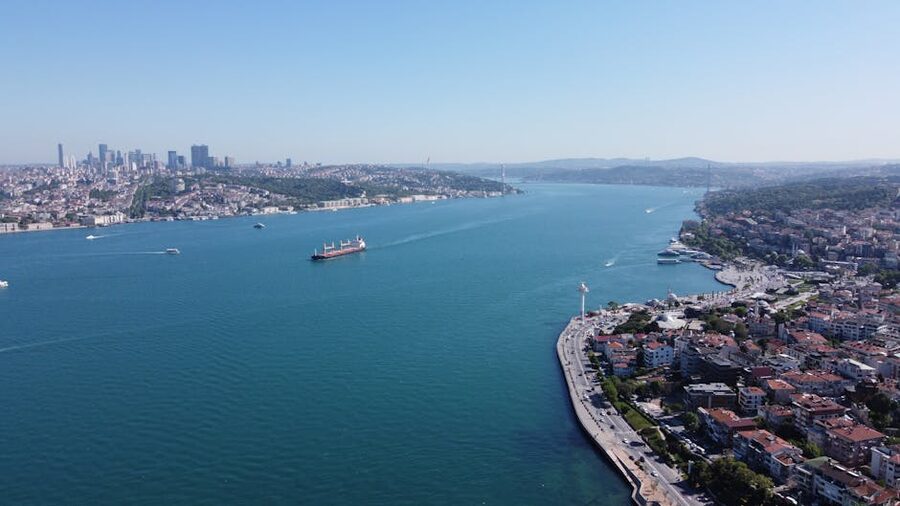
The Bosphorus is the strait that separates Europe from Asia. It runs roughly north–south through the middle of the city, with the Marmara Sea at its southern mouth and the Black Sea at the north. The European side is where the historical core sits (Sultanahmet for the Hagia Sophia and the Topkapi, Beyoğlu and Galata for the 19th-century European quarter, Beşiktaş and Bebek for the smarter modern neighbourhoods strung along the water). The Asian side is where most of the city actually lives. Kadıköy on the Asian shore is where you go for the food market, Üsküdar for the Maiden’s Tower view back across the water.
For a first luxury trip of three or four nights, the choice resolves cleanly:
- First-timers, history-led: stay in Sultanahmet. You can walk to the Hagia Sophia, the Blue Mosque, the Topkapi, the Basilica Cistern and the Grand Bazaar. The downside is that this is the most touristy patch in the city. Restaurants in the immediate streets are mostly bad and overpriced. Eat elsewhere.
- Couples, romantic-led: stay on the Bosphorus shore in Beşiktaş or up in Bebek. The Four Seasons Bosphorus, the Çırağan Palace Kempinski and the Six Senses Kocataş Mansions are all here. You’re in cabs to Sultanahmet and back, but you wake up to ferries on the water.
- Repeaters, off-grid-led: stay on the Asian side in Kadıköy or Moda. Far fewer tourists, far more of the city’s actual life. You take the ferry across each morning, which is the right way to enter old Istanbul anyway.
Where to stay, hotel by hotel
Six properties cover almost all the cases. I’ll go through who each one is for, what makes it different, and the small flags worth knowing before you book.
Four Seasons Hotel Istanbul at Sultanahmet
The yellow-painted building between the Hagia Sophia and the Blue Mosque was a working prison until 1969. It’s been a Four Seasons since 1996 and it remains the right answer for first-timers who want to walk to everything. 65 rooms, an inner courtyard you can have lunch in, and the best location in the historical core. The trade-off: the rooms are smaller than what you’d expect for the brand and the property has no pool. If your priority is “I want to wake up two minutes from the Hagia Sophia,” this is the booking. If your priority is the spa and the view, it isn’t.
Four Seasons Hotel Istanbul at the Bosphorus
The other Four Seasons sits in a restored 19th-century Ottoman palace right on the water in Beşiktaş, between the Dolmabahçe and the Çırağan. 170 rooms, a proper indoor pool, a long terrace running along the strait, and a quiet that the Sultanahmet property simply can’t offer. This is the more romantic of the two. If you’re choosing between them and the trip has any couple-y intent at all, pick this one and take cabs to the historical sites. The walk between the two Four Seasons is theoretically possible; in practice you’ll grab a taxi and the ride is 15 minutes without traffic, double that with.
Çırağan Palace Kempinski
This is the actual Ottoman palace (the late-19th-century imperial residence built for Sultan Abdülaziz, gutted by fire in 1910, then rebuilt in the late 1980s as a hotel. The legendary feature is the heated outdoor infinity pool that runs to the edge of the Bosphorus, with the palace facade behind you and tankers slipping past in front. It’s the most theatrical pool in the city and possibly in the wider Mediterranean. The hotel restaurant, Tuğra, does serious Ottoman fine dining and is worth booking even if you’re not staying. 280-odd rooms, more wedding-and-event business than the Four Seasons, and a slightly grander, more institutional feel as a result.
Pera Palace Hotel
The 1892 hotel above the old European quarter where Agatha Christie famously stayed (room 411 is preserved as a small Christie museum), reopened in 2010 after a €23 million restoration that returned it to something close to its original Belle Époque self. The lobby alone is worth a coffee whether you’re staying or not. As a base it’s a slightly different proposition from the Bosphorus hotels: you’re in Beyoğlu on a steep street above the Golden Horn, walking distance to the Galata Tower and Istiklal Avenue, fifteen minutes by cab to Sultanahmet. The right pick if your interest in Istanbul leans toward the late Ottoman and early Republican layers rather than the Byzantine.
Six Senses Kocataş Mansions
The newer arrival on the upper Bosphorus, two restored 19th-century waterfront mansions in Sarıyer that opened as a 43-room urban resort in 2021. The selling point is the spa. Six Senses spas are consistently the best in any city they operate in, and the Kocataş hammam is the differentiator here. You’re further out than the Four Seasons or the Çırağan (about half an hour by cab to Sultanahmet without traffic) which is the cost. The benefit is that you genuinely feel out of the city centre, on the water, with the smaller scale that comes with 43 rooms instead of 280. Best for a wellness-led couple’s trip rather than a sightseeing-heavy first visit.
The Peninsula Istanbul
The newest of the lot. Opened February 2023 in Karaköy, set into four buildings of the Galataport development on the European waterfront just below Beyoğlu. 177 rooms across what used to be the historic 1937 passenger terminal and three new neighbours. The location is the most interesting in the city right now: you’re on the water, you can walk in fifteen minutes across the Galata Bridge to Sultanahmet, and Karaköy itself is the most exciting eating district in Istanbul (more on that below). The hotel has won every “one to watch” prize going since opening and the reviews are uniformly strong. If you want the newest, most design-led property in the city and you don’t want to be deep in Sultanahmet or out in Sarıyer, this is the booking.
A summary, because the choice can feel paralysing. First trip, history-heavy: Four Seasons Sultanahmet. Romantic trip: Four Seasons Bosphorus or Çırağan Palace. Spa-led couple’s trip: Six Senses Kocataş. Belle Époque atmosphere: Pera Palace. Newest, most design-led, best food district: Peninsula. There are no wrong answers in that list.
Sultanahmet: the historical core
Whatever side of the water you sleep on, you’ll spend at least one full day in Sultanahmet. The five things to know:
Hagia Sophia: the new visiting rules
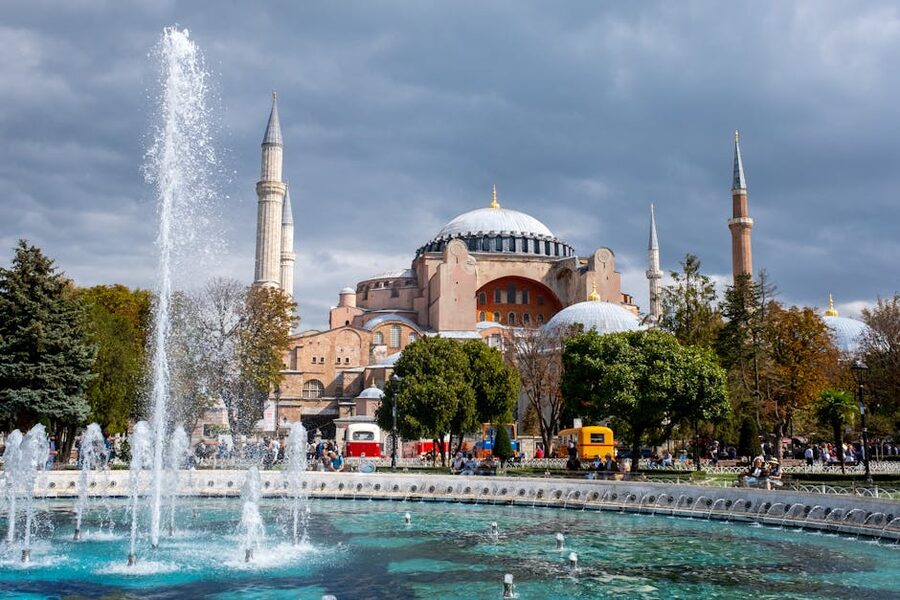
The Hagia Sophia was a museum from 1934 until 2020, then converted back to a mosque by presidential decree. For the first three and a half years after the conversion, tourist entry was free. That changed in January 2024: there is now a €25 tourist ticket which lets you into the upper galleries only. The ground floor is reserved for prayer. The Museum Pass Istanbul does not cover it.
Practicalities. Bring covered shoulders and knees regardless of the season. The dress code is enforced and the free coverings at the door are basic. Women need a headscarf; bring one to save the queue. Shoes off at the entrance, so wear slip-ons rather than laces. The building closes to tourists during prayer times. The most disruptive is Friday midday from about 12:00 to 14:30. The new tourist entrance is on the northeast side, facing the Topkapi gate, which is not where most older guidebooks point you.
Is it still worth doing now you’re paying €25 and you can only see the upper galleries? Yes. The upper gallery is where the surviving Byzantine mosaics are anyway. The Deësis mosaic with Christ between the Virgin and John the Baptist is on the south gallery and is one of the great surviving works of Byzantine art. You’re getting that, plus the dome from above, plus the experience of a working mosque. What you’re not getting is the floor of Justinian’s church the way you used to as a museum visitor, which is a real loss.
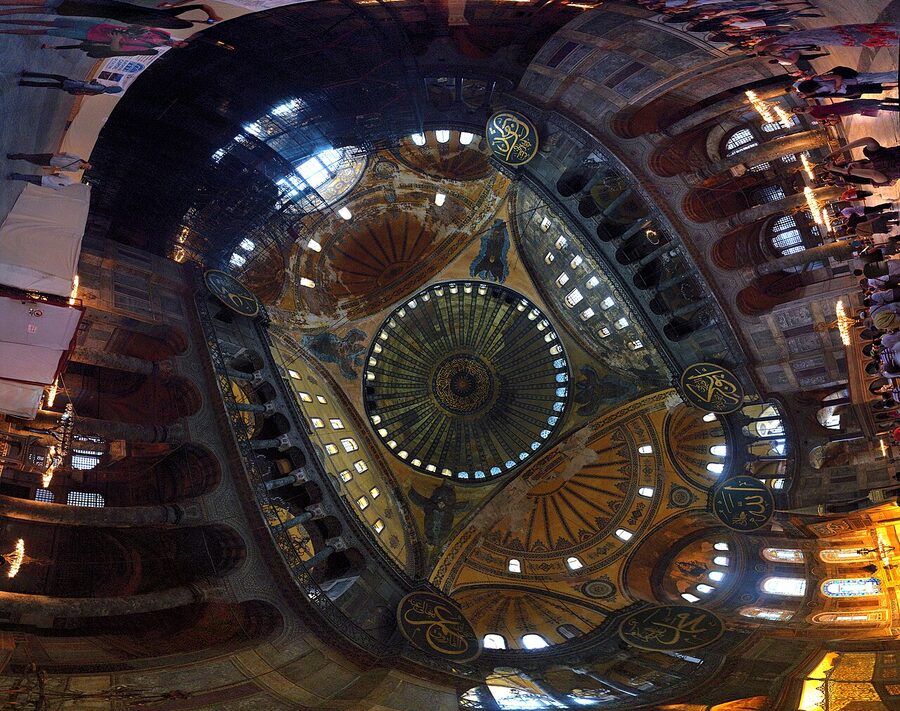
Blue Mosque (Sultan Ahmed Mosque)
Across the square from the Hagia Sophia. Built 1609–1616 under Sultan Ahmed I, named for the blue Iznik tilework that covers the upper interior. Still an active mosque, free to enter, closed to non-worshippers during the five daily prayer times (about 90 minutes around each call to prayer). Same dress code as the Hagia Sophia (covered shoulders and knees, women need a headscarf), but the mosque provides robes and scarves at the door. The recent multi-year restoration finished in 2023 and the interior is now back in its full state, so this is a much better visit than it was for most of the 2020s when scaffolding obscured the dome.
Topkapi Palace
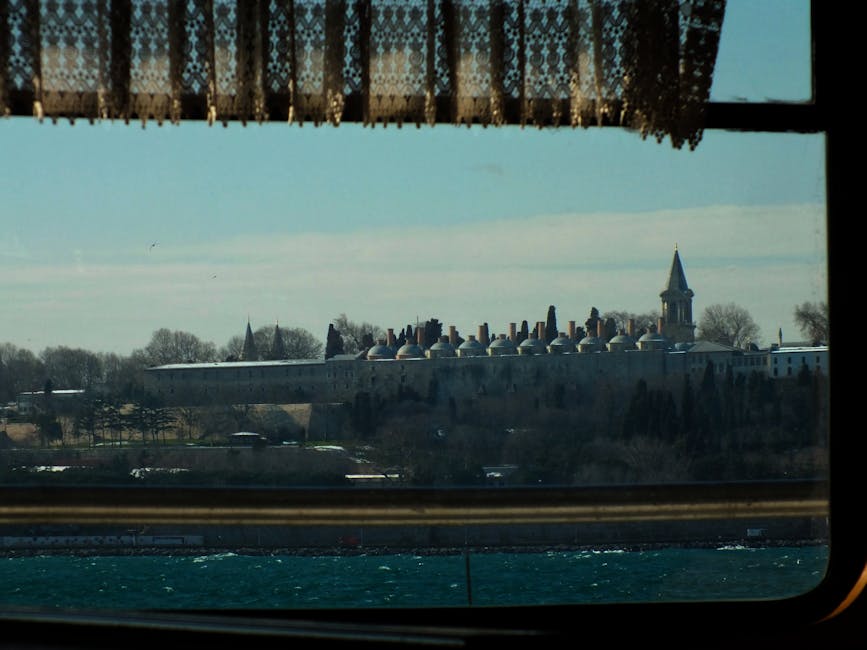
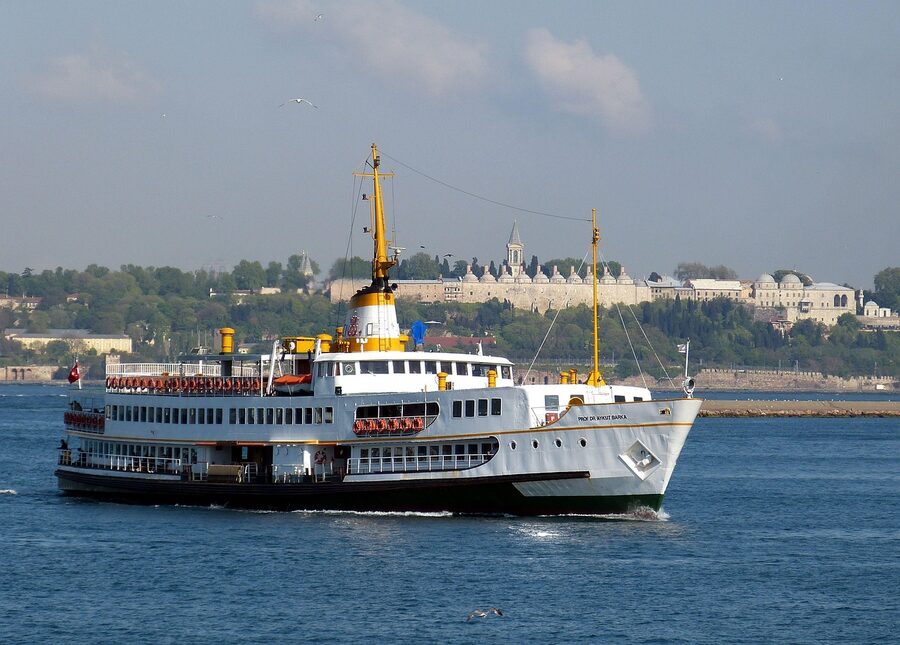
The 15th-century Ottoman seat of government, on the headland above the Hagia Sophia. Two ticket points to know: the standard palace ticket is one thing; the Harem section is a separate ticket bought at the Harem entrance inside the palace, and it’s the part most people regret skipping when they realise. The Harem is where the sultan’s family actually lived. The corridor of mother-of-pearl-inlaid doors, the painted apartments of the queen mother. It’s the more atmospheric half of the visit. Allow three hours minimum for both.
Basilica Cistern
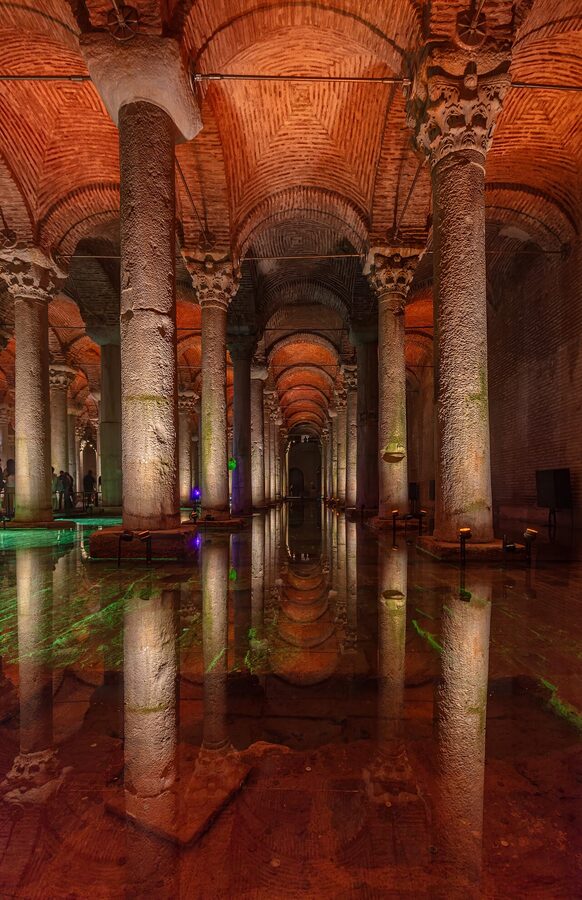
The 6th-century underground Byzantine reservoir, reopened in 2022 after a restoration that added moody coloured lighting and rotating sculptural installations. Some purists hate the new lighting; I think it works for the space and it certainly photographs better than the dim version did. The two upside-down Medusa heads in the back corner are still the obvious thing to find. 30 minutes is enough.
Grand Bazaar and Spice Bazaar
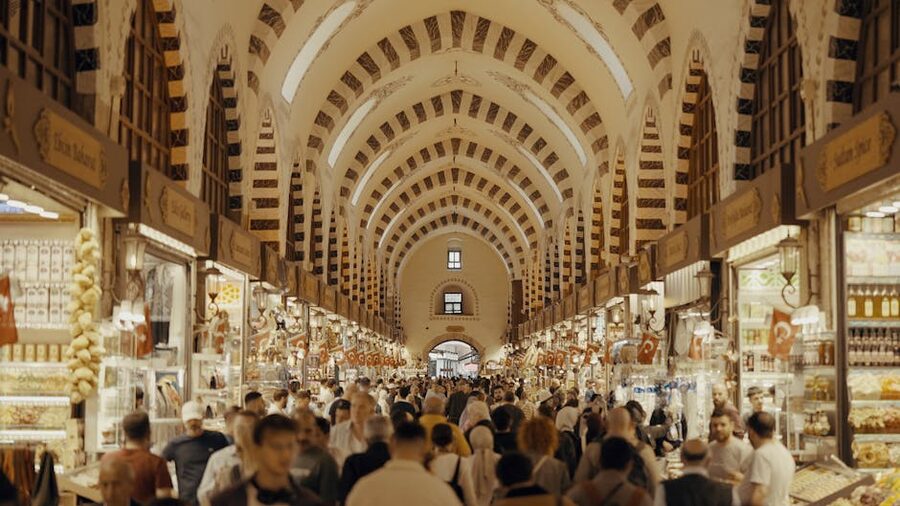
The Grand Bazaar has roughly 4,000 shops under one roof, which is not really shoppable as a tourist without help. The hard truth is that walking in cold, you’ll either be charged twice the local price for whatever you look at, or you’ll get pulled into a four-hour conversation about Hereke carpets that ends in an unwanted sale. Hire a local guide for a first visit (your hotel concierge will arrange one for $80–150 for a few hours) or go with a clear list of one or two things you actually want (a kilim, a copper coffee set, a particular kind of Turkish delight) and don’t browse more broadly than that.
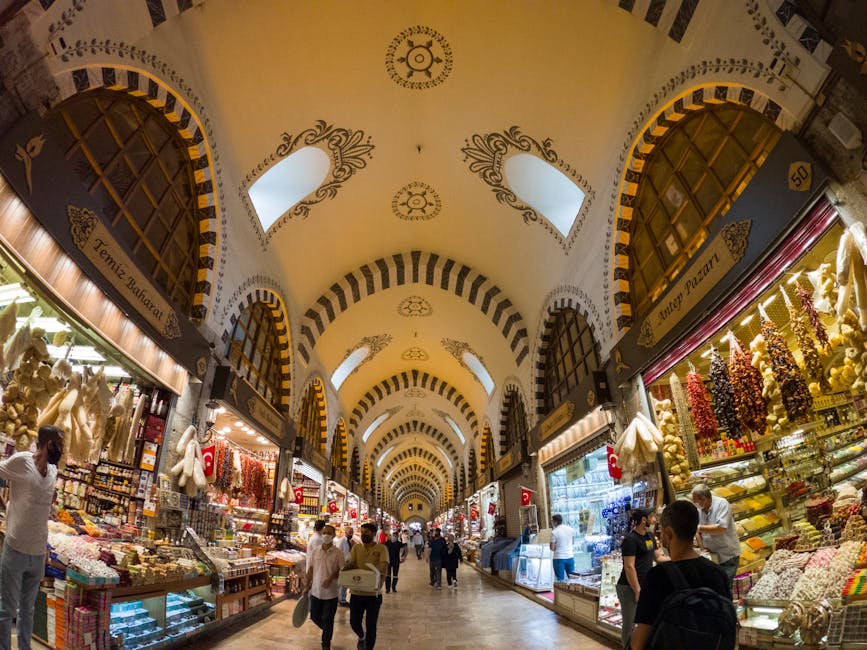
The smaller Spice Bazaar (Mısır Çarşısı, near the Eminönü waterfront) is the easier of the two for a casual visit. A few dozen shops, mostly selling spices, dried fruit, baklava, Turkish delight, and Turkish tea. You can wander, prices are more visible, and you’ll come out with a bag of saffron and pistachio without having to negotiate hard.
The Bosphorus: the day to plan around
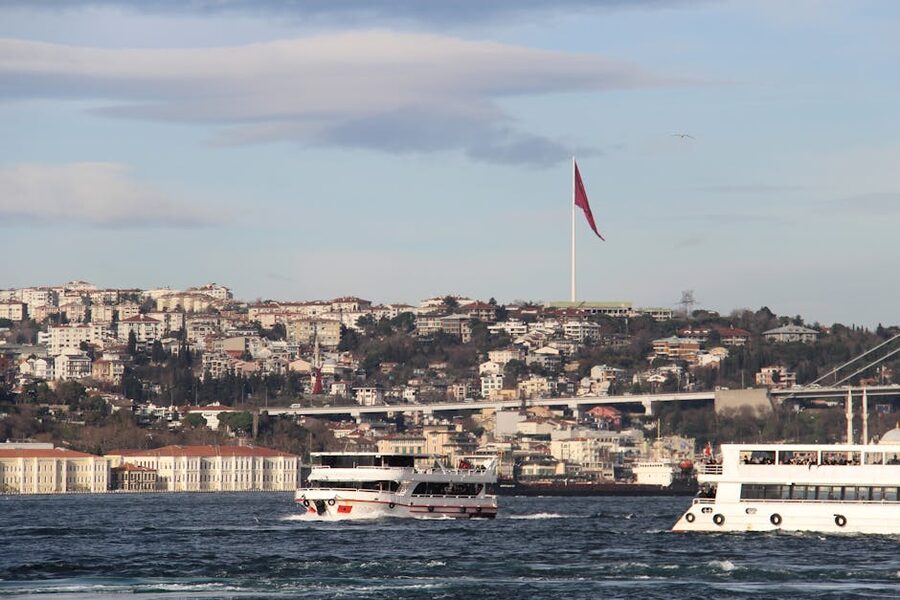
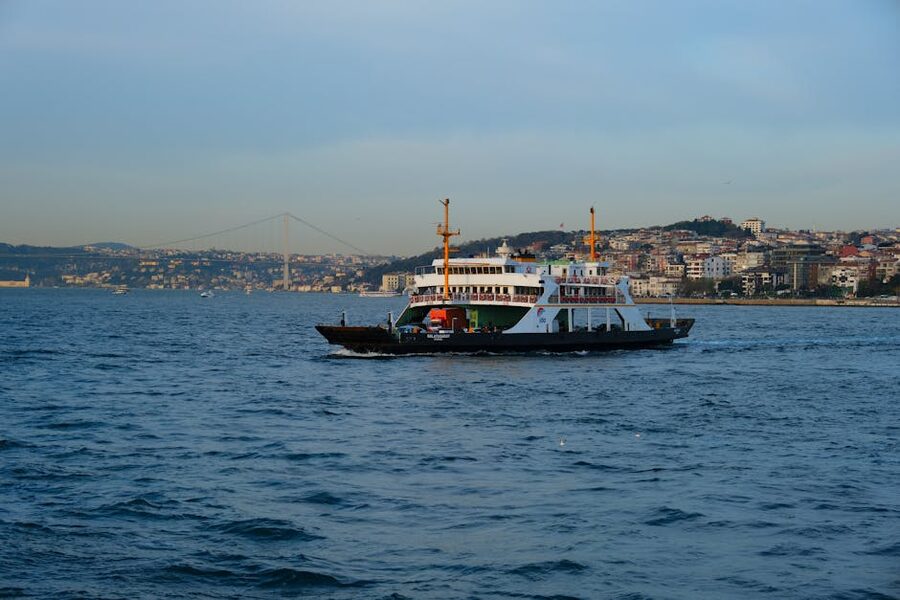
If there’s one thing to plan a day around, it’s a private boat on the Bosphorus. The strait runs about 30 km from the Marmara mouth at Sultanahmet up to the Black Sea, with palaces, fortresses, fishing villages and waterfront mansions (the historic yalıs) lining both shores. The public ferry version of this is fine and absurdly cheap, but a private charter is one of the best half-days you can have anywhere in the Mediterranean.
What you book: a small motor yacht or a wooden classic with a captain (and ideally a steward), for half a day or a full day. Operators run €500–800 for a half-day for up to six people, €800–1,500 for a full day with lunch on board or a stop at Bebek for fish lunch. Your hotel concierge is the easiest route; for upper-end charters look at companies like Istanbul Sailing or Bosphorus Charter. The classic stop is Anadolu Hisarı, the small Ottoman fortress on the Asian side at the narrowest point of the strait, which sits opposite the larger Rumeli Hisarı on the European bank.
Book it for day two of the trip if possible. Day one is settling in and walking Sultanahmet; by day two you’ve earned a slow afternoon on the water.
The Asian side, briefly
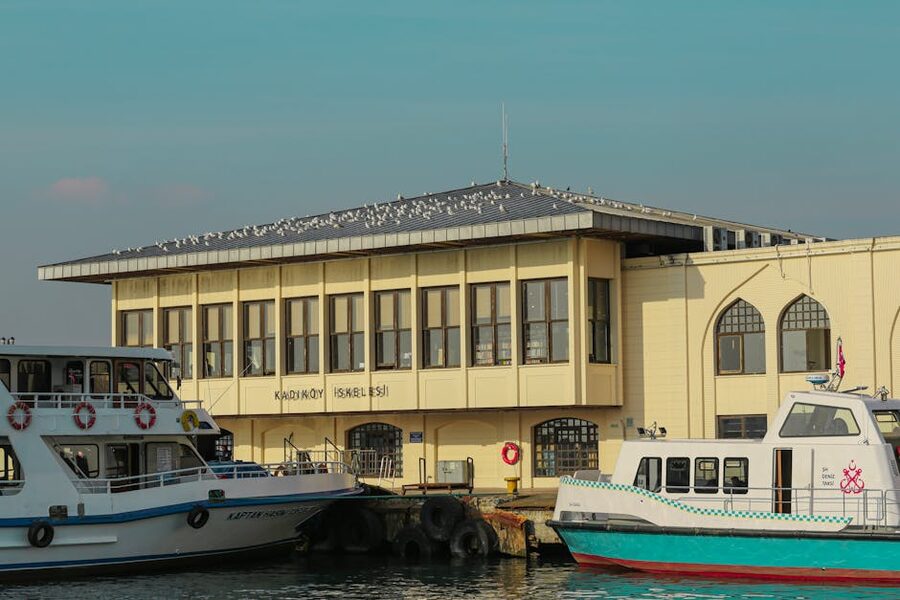
Most luxury visitors don’t cross to the Asian side. They should. A morning in Kadıköy is the antidote to a heavy day in Sultanahmet, and it costs almost nothing. The ferry from Karaköy is a few lira and runs every fifteen minutes.
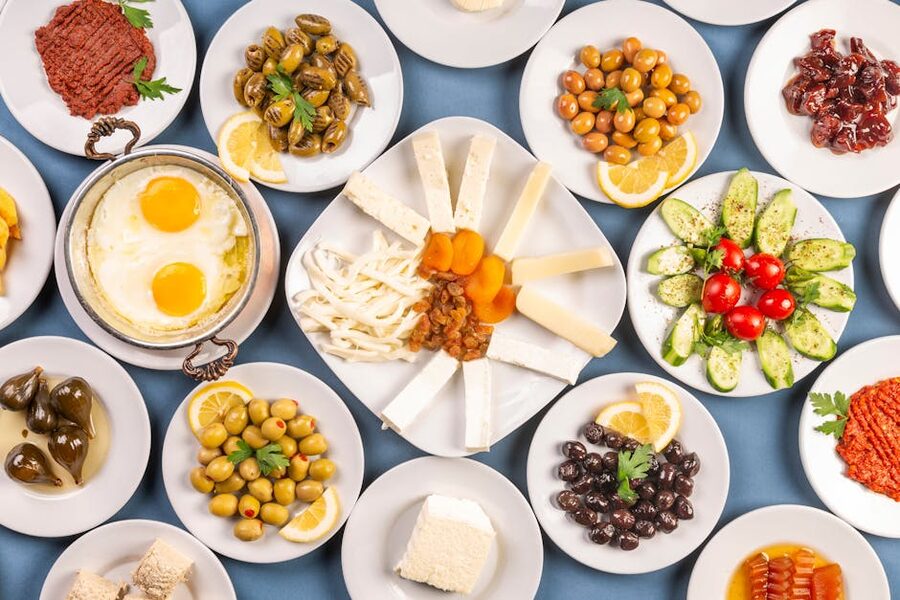
What to do on a Kadıköy morning: walk the food market on Güneşlibahçe Sokak (the fishmongers, the spice and pickle shops, the famous baklava at Hafız Mustafa, the lokum at Cafer Erol), have breakfast at one of the long-table breakfast houses on Moda Caddesi (Çiya group’s breakfast spot or any of the unfussy places along that street: Turkish breakfast is the meal Kadıköy does best), then walk down to the Moda waterfront and follow the coast back toward Üsküdar if you have the legs. Üsküdar has the Maiden’s Tower (Kız Kulesi), a small offshore tower that sits in the strait, recently restored, with a tiny boat shuttle out to it.
If you only have one Asian-side meal, it should be at Çiya Sofrası in Kadıköy. It’s the restaurant where Istanbul’s serious chefs eat on their day off. Anatolian regional home cooking from across Turkey, no menu in the conventional sense, you point at the dishes you want from the counter. It’s not luxurious; it’s better than that.
Eating, properly
The single biggest eating mistake in Istanbul is staying for dinner in the restaurants on the streets immediately around the Hagia Sophia. They’re tourist traps with poor food and high prices. Eat lunch in Sultanahmet (a kebab at Develi by the Spice Bazaar, or a doner at one of the unbranded counters), and travel for dinner. Five places to know:
- Mikla. The rooftop of the Marmara Pera hotel in Beyoğlu, modern Anatolian cooking from Mehmet Gürs. The view across the Marmara is among the best in the city; the food is the most ambitious New Anatolian cooking you’ll find. Book ten days ahead minimum, a month for high season. Tasting menu only, around €120–150 per person without wine.
- Neolokal. On the top floor of the Salt Galata building in Karaköy. Chef Maksut Aşkar’s slow-food project. Anatolian regional dishes researched and reinterpreted, especially from his home region of Antakya. A serious project, a real restaurant, and the better choice than Mikla if you care about the cooking more than the view. Tasting menu around €100–130.
- Karaköy Lokantası. The lunchtime institution in Karaköy. Ottoman-influenced home cooking, blue-tiled room, white tablecloths, no fuss. Lunch is the meal here; they do dinner too but the lunch crowd is the right one. Around €30–50 a head.
- Çiya Sofrası. The Kadıköy place mentioned above. Cross the water for it. €15–25 a head.
- Tuğra at Çırağan Palace. The hotel’s signature restaurant. Ottoman fine dining done genuinely well, the room overlooking the Bosphorus is unbeatable. The right pick if you want one full-bore dressed-up dinner with the strait outside the window. €120+ a head.
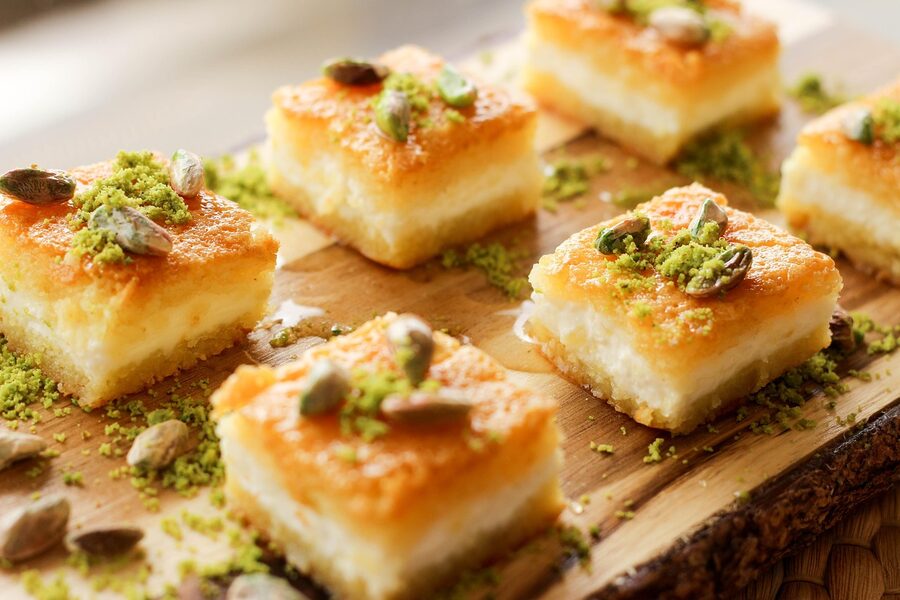
One more recommendation that’s not a restaurant: book a meyhane night somewhere in Asmalı Mescit (the small streets behind İstiklal in Beyoğlu). The meyhane is the traditional Istanbul drinking-house. Meze plates, raki, and the night unfolds slowly across three or four hours. Touristy versions exist; ask your hotel for a more local one and you’ll have the meal you remember from the trip.
Neighbourhoods worth a walk
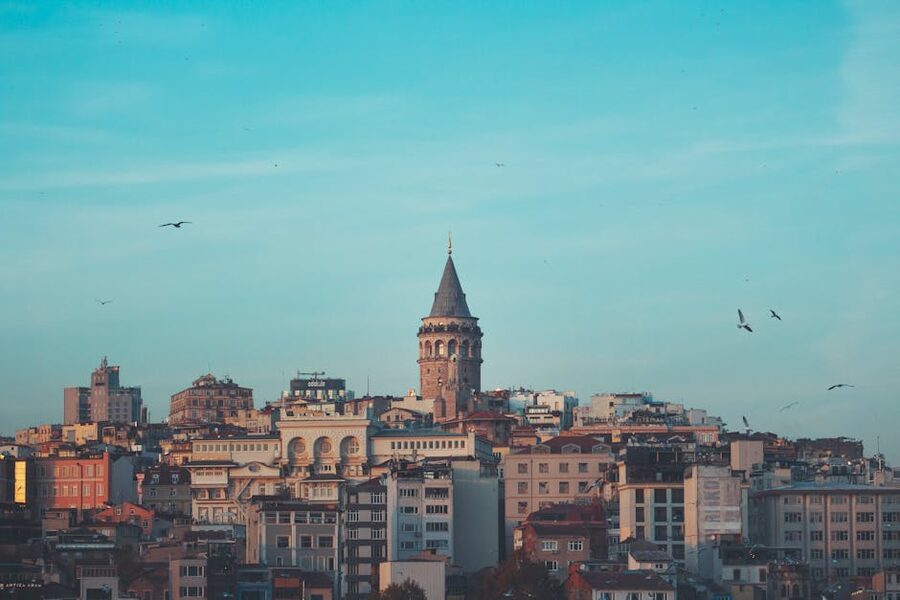
Beyond Sultanahmet and the food districts, three neighbourhoods reward an unhurried walk:
- Galata and Karaköy. The slope from the Galata Tower down to the water. Galata at the top is the gentrified design-shop and natural-wine quarter; Karaköy at the bottom is the eating quarter. Walk down, not up, the gradient is real.
- Beyoğlu and İstiklal. The 19th-century European avenue, formerly the Grande Rue de Péra. Walked end to end it’s about a mile, lined with consulates and Belle Époque arcades and the heritage tram. Touristy, but the side streets off it (Asmalı Mescit, Çukurcuma for the antique shops, Cihangir for the cafés) are where the real life is.
- Bebek. The smart Bosphorus-village neighbourhood north of Beşiktaş. Coffee at one of the waterfront cafés, lunch at one of the fish restaurants, the small park on the strait. The whole trip slows down here.
The lira, briefly
The Turkish lira has lost roughly 90% of its value against the dollar over the past five years, with the rate sitting around 45 lira to the dollar in spring 2026. For a Turkish economy and Turkish wages this has been brutal. For an inbound luxury traveller, the practical effect is that Istanbul is now the cheapest serious capital in the wider Mediterranean. A meal at one of the city’s best restaurants runs €100–150 a head with wine; the equivalent in Paris or Milan is double that and rising. A suite night at the Çırağan Palace on a shoulder-season rate runs less than the Park Hyatt Vendôme on a weekday.
How to handle the practical side: most hotel rates are quoted in euros or dollars and that’s what you’ll pay. Restaurants and shops accept cards everywhere; tipping in cash (small lira) is appreciated. Don’t change cash at the airport. The rates are bad. Use ATMs in town or change at the official exchange offices in Sultanahmet, which are competitive.
When to go
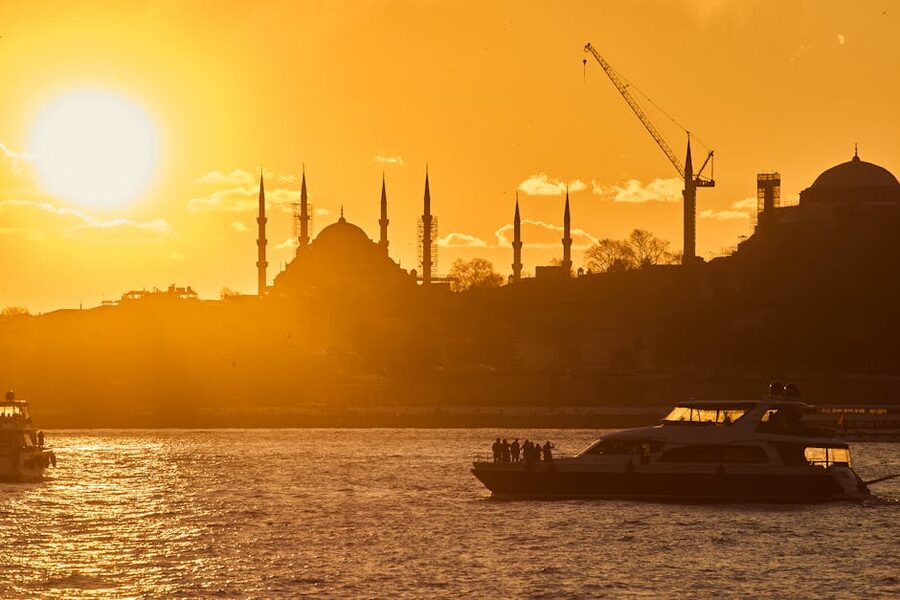
April–May or September–October. Spring and autumn are reliably mild, the Bosphorus is warm enough for a swim if you’re at a hotel with a pool, the high-summer crowds are gone. June is fine but you’ll feel the heat from mid-month. July and August are hot, sticky, and crowded. Every Bosphorus restaurant has a queue, every ferry is packed, and the inland sites bake. Winter is wet and grey but quieter, and the better hotels run shoulder-season rates from November through March that are the real bargain of the year. If you’re going for the architecture more than the outdoors, a January weekend is genuinely a good idea.
A 3-night itinerary
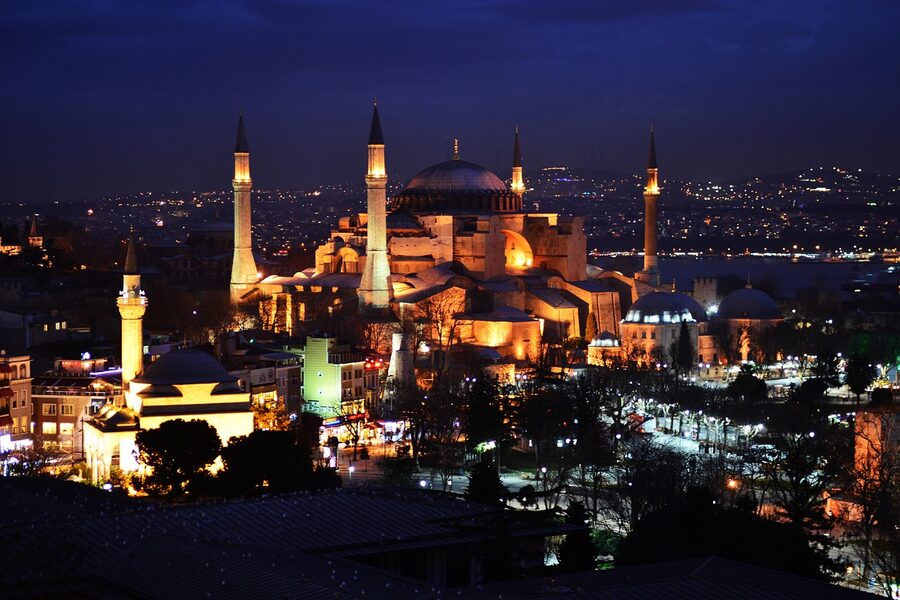
Day 1. Arrive midday. Walk Sultanahmet in the afternoon: Hagia Sophia (book the €25 ticket online to skip the queue), Blue Mosque across the square, the Hippodrome obelisks. Dinner at Karaköy Lokantası (cab from your hotel, fifteen minutes from anywhere central).
Day 2. Topkapi Palace and Harem in the morning, allow three hours. Lunch in the second courtyard cafe at Topkapi or quick at the Spice Bazaar. Private boat on the Bosphorus from 3 pm: half-day with a stop at Anadolu Hisarı and a return for sunset. Dinner at Mikla on the rooftop.
Day 3. Ferry to Kadıköy in the morning. Walk the food market, breakfast on Moda Caddesi, lunch at Çiya Sofrası. Ferry back, afternoon at the Basilica Cistern and the Grand Bazaar with a guide. Dinner at Tuğra at the Çırağan Palace if you want one big formal meal; otherwise a meyhane in Asmalı Mescit.
Day 4. Pera Palace for breakfast and a coffee in the lobby, walk Beyoğlu and Galata, lunch in Karaköy, depart.
A 5-night itinerary
The 3-night above, plus:
Extra day A. Princes’ Islands. The Sea of Marmara islands an hour’s ferry ride south of the city; no cars, electric carts and bicycles only, Belle Époque mansions and pine forest. Büyükada is the largest. A day trip with lunch is the right length.
Extra day B. The Asian side properly: Üsküdar in the morning (Maiden’s Tower, Mihrimah Sultan Mosque), Kadıköy in the afternoon, dinner back on the European side at Neolokal. Or use this day for a hammam afternoon at one of the historic bath-houses (Çemberlitaş Hamamı near the Grand Bazaar is the easiest option for visitors; Kılıç Ali Paşa Hamamı in Tophane is the more atmospheric one) and a long, slow dinner.
Practical bits
- Visa. Most Western passport holders get an e-visa or visa-on-arrival; check current rules before flying. Single-entry, 30 days, around $50.
- Airport. The new Istanbul Airport (IST) on the European side handles most international flights. Sabiha Gökçen (SAW) on the Asian side is the secondary one. From IST to a European-side hotel, 45 minutes and €40–60 in a private transfer; from SAW you’re looking at over an hour and the bridge tolls.
- Ramadan. Worth knowing. During Ramadan (dates shift each year; falling in February in 2026, late January 2027), restaurants stay open but service can be quieter during daylight hours, and the Hagia Sophia and Blue Mosque get busier in the evenings. Hotel restaurants and most upper-end places are unaffected.
- Tipping. 10% in restaurants if service isn’t included, small cash to porters and drivers.
- Getting around. Cabs are everywhere and cheap. Use the BiTaksi app rather than hailing, same as Uber in feel, and you avoid the meter argument. The tram from Sultanahmet up to Karaköy is useful and runs constantly. Don’t drive; the traffic is unreasonable and parking is impossible.
Istanbul rewards a slower trip than most European city breaks. Three nights is the minimum that does it justice; five is better. Whatever you book, sleep within sight of the water if you can, eat in Karaköy and Kadıköy not Sultanahmet, and take the ferry across at least once. The two-continents thing isn’t a tourist-board slogan. Standing on the deck with Europe behind you and Asia coming up on the bow is the small moment that makes Istanbul a different kind of city break.
If you’re sketching out a wider Turkey trip rather than just the city, the next pieces of the puzzle are the classical circuit through Cappadocia, Ephesus and Pamukkale and the gulet-yachting culture of the Turquoise Coast. For the wider eastern Mediterranean context, our writeup on Lebanon, the other great Levantine city-stay, sits naturally alongside this one. And for a different kind of Mediterranean luxury (Adriatic rather than Aegean), the long Croatia coast guide covers the comparable yacht-and-coast trip one country west. The full Destinations index has more.