Geneva is a great two-day city and a poor week-long one. The lake is mountains-framed and the mountains are real ones. The watch industry has its capital here. Two of the better hotels in Europe sit a hundred metres apart on the Quai du Mont-Blanc, and one museum, the Patek Philippe, justifies the airfare on its own. Beyond that, the answer is to leave: drive an hour to Megève, ninety minutes to Gstaad, three hours to Zermatt, or take a paddle steamer up the lake to Vevey and let Geneva do what it does best, which is be the front door to the rest of the trip.
What follows is the version of a Geneva guide that respects the two-day cap. The hotels worth booking and which one to choose. The watch museum and how long to give it. The CGN steamer day to Vevey and Montreux that almost no luxury guide writes about. Dinner at one or two places that matter. And the day-three driveable Alpine choice (Megève, Chamonix, Gstaad, the Italian lakes) that turns Geneva from a destination into a launchpad.
In This Article
- The City Is Three Cities. You Want the Second One.
- Where to Stay: The Five Hotels and Who Should Pick Which
- Beau-Rivage Genève
- La Réserve Genève Hotel & Spa
- Four Seasons Hotel des Bergues Geneva
- Hotel President Wilson
- Mandarin Oriental Geneva
- The boutique tier, briefly
- The Patek Philippe Museum: The Reason to Spend a Day in Geneva
- The Watch Industry, the Rue du Rhône, and Watches & Wonders
- The Lake Run: CGN Steamers to Vevey, Montreux, and Chillon
- The Day Trip Nobody Talks About: Megève or Chamonix
- Eating in Geneva
- The Jet d’Eau, the UN, the Other Things
- The Two-Day Itinerary I Actually Recommend
- Using Geneva as a Launchpad
- When to Come
- One More Thing
The City Is Three Cities. You Want the Second One.
Geneva runs along both sides of the Rhône where it leaves the lake, and the personality changes block by block. Most of the friction in planning a stay here comes from not knowing this up front, so:
Cornavin and the right bank above the station is the United Nations city. Conference hotels, the Palais des Nations, the Red Cross Museum, banks, embassies. Functional and well-served by trams, but if you flew in to feel like you were on holiday, you will not feel like that here. Skip it as a base.
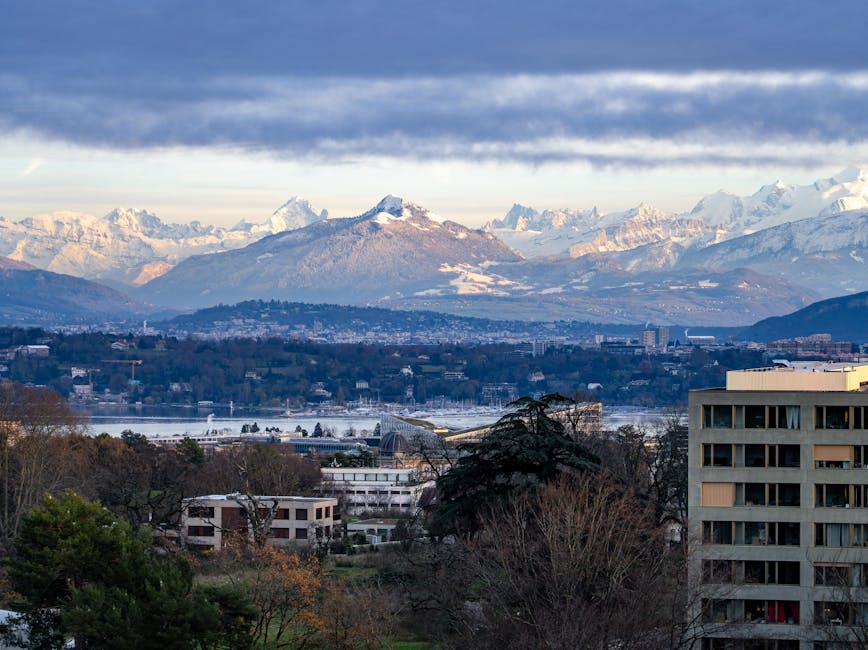
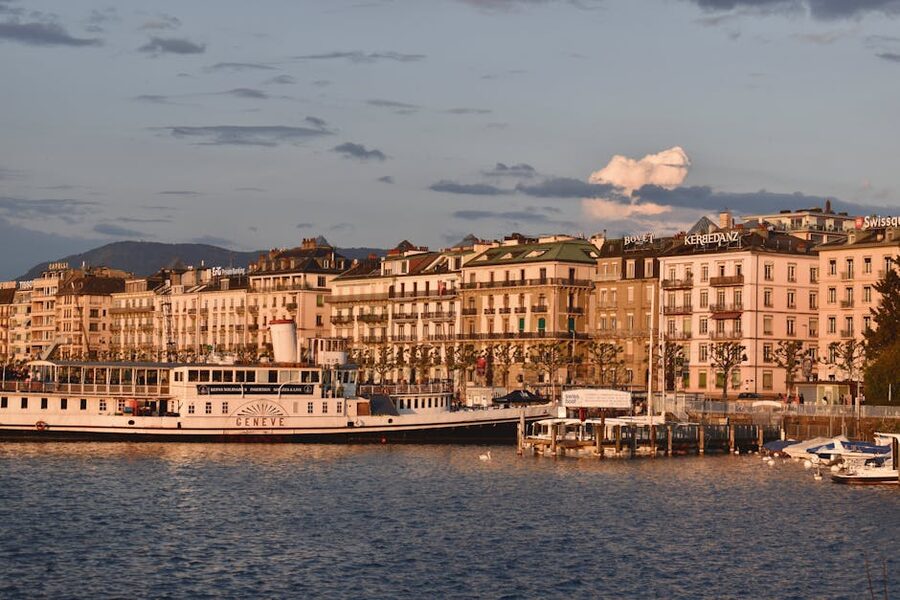
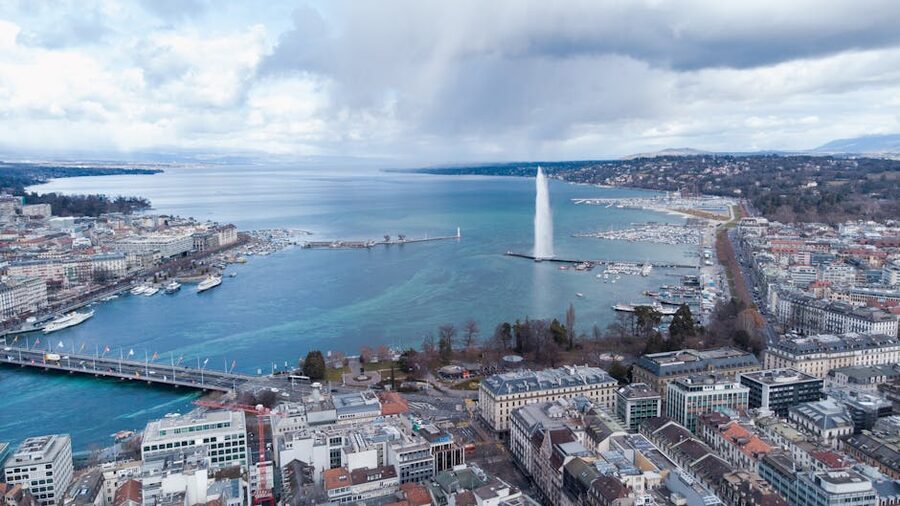
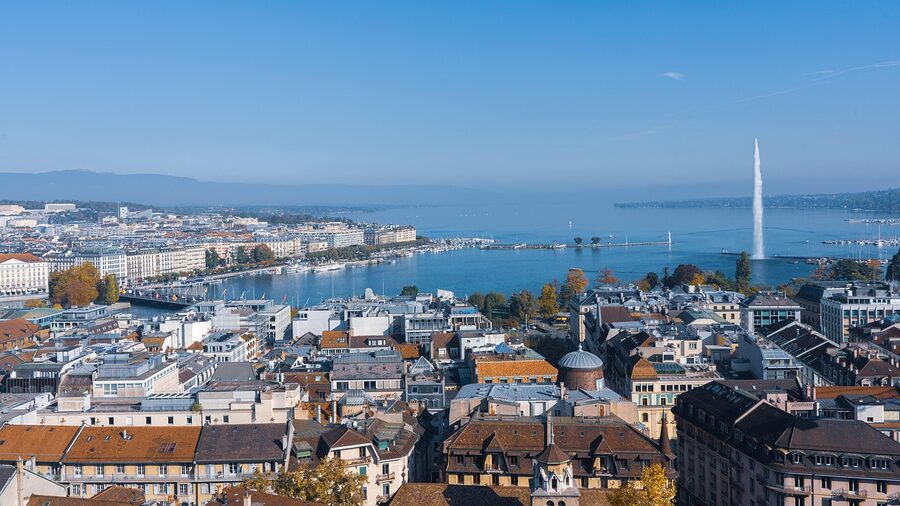
The Quai du Mont-Blanc strip, running along the right bank from Cornavin down to the Pont du Mont-Blanc, is the old-money lake city. Beau-Rivage, Four Seasons des Bergues, President Wilson, all face the water. This is where you want to wake up. The walk along the quai with a coffee and the Alps across the lake is the reason people come back to Geneva.
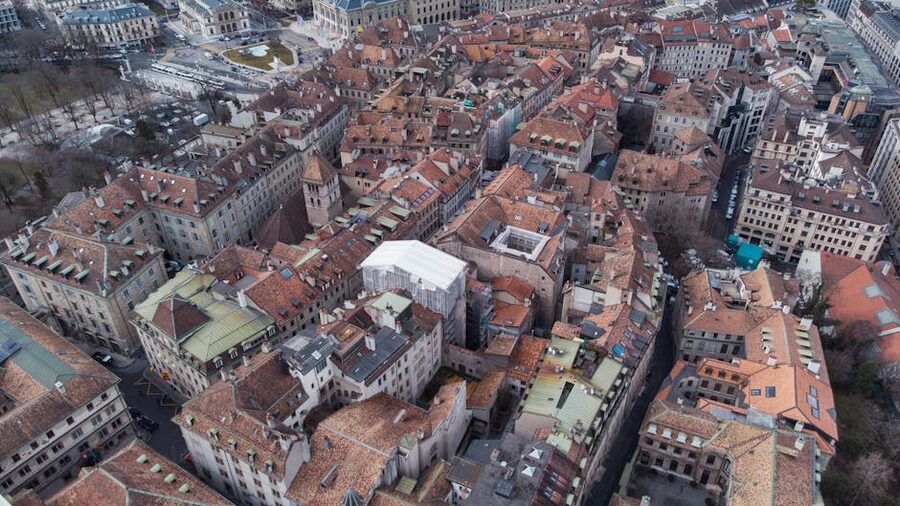
The Vieille Ville on the south bank, climbing up to St-Pierre Cathedral, is the historic old town. Cobblestones, the Maison Tavel, the Place du Bourg-de-Four for an evening apéro. You want to spend an afternoon up here. You probably do not want to sleep up here unless a small boutique like the Métropole appeals more than a lake-facing room.
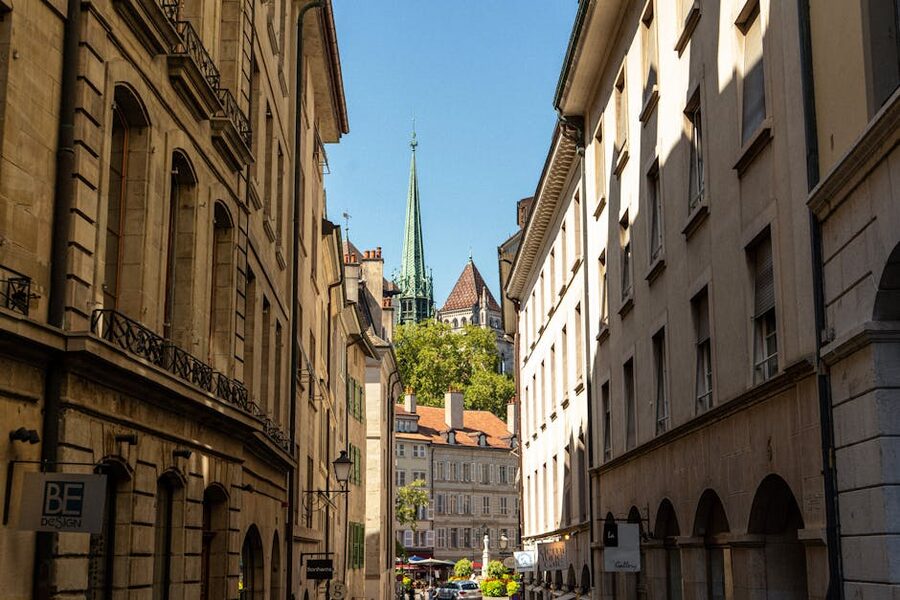
Frame the trip around the second of those three cities and the rest of the planning gets easy.
Where to Stay: The Five Hotels and Who Should Pick Which
This is the part of the article that does the real work. Geneva at the top end is one of the more interesting hotel scenes in Europe because the five names you are choosing between actually offer different things, not the same thing in five different liveries. The brief version of the call I would make:
- Beau-Rivage if you want the legendary one and want family ownership over corporate polish.
- La Réserve if you are here for Watches & Wonders, want the spa, or want a country-house feel ten minutes from the centre.
- Four Seasons des Bergues if you want the most central, most polished, most predictable luxury hotel experience.
- President Wilson if you specifically want the world’s most expensive suite and you are bringing twelve friends to fill it.
- Mandarin Oriental if you want a quieter design hotel on the Rhône with the city’s best Japanese restaurant downstairs.
The longer version follows. None of these are bad picks. The differences are real and worth a moment of thought before you click.
Beau-Rivage Genève
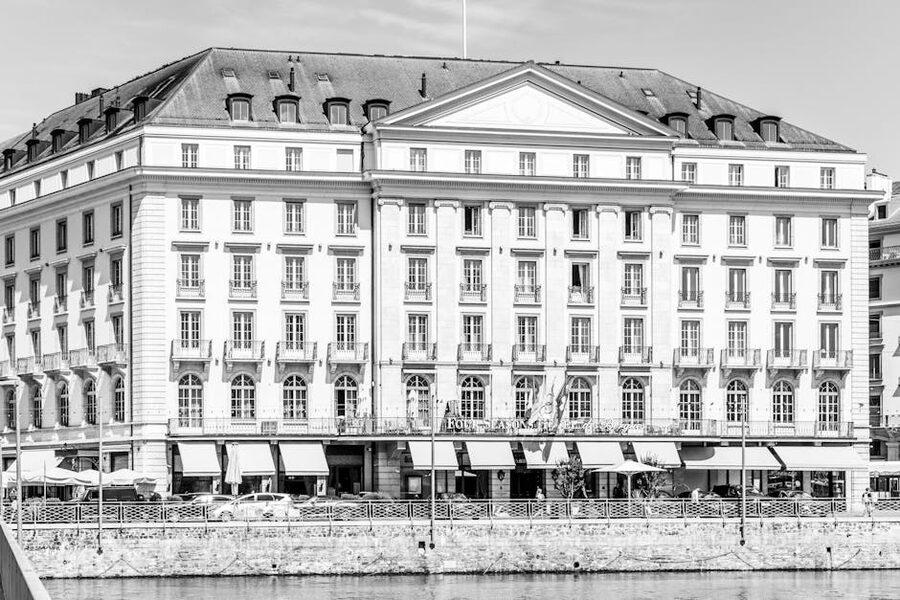
This is the dynasty hotel. Built in 1865 and still owned by the same family five generations later, which is the kind of detail that does not show up on a website but does show up in the way the staff treat you. Ninety rooms and suites including eighteen historical suites named after famous past guests, the most quietly sad of which is the suite that holds the room where Empress Sissi of Austria was treated after she was stabbed on the lakeside promenade in 1898. The hotel does not lean on the story, which is to its credit.
The Michelin-starred restaurant, Le Chat Botté, is where the city’s old guard eats when something is being marked. The atrium and the lakeside terrace in summer are the two scenes I keep coming back for. Check rates on Booking.com | Beau-Rivage direct.
Pick Beau-Rivage if: you want the most legendary lakefront address in the city, you care about family ownership, and you would rather have history than a rooftop pool.
La Réserve Genève Hotel & Spa
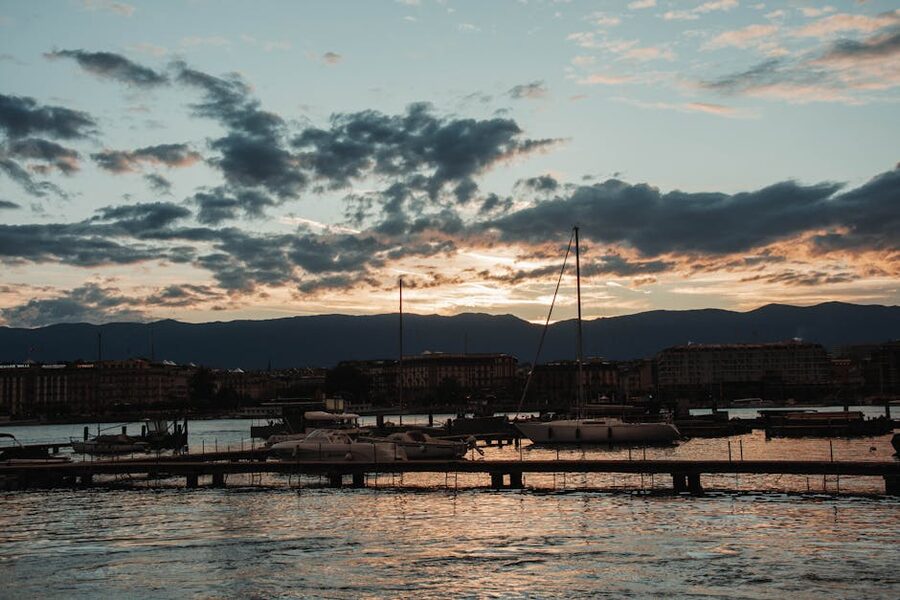
This is the one slightly out of town, in Bellevue about ten minutes north along the lake from the centre, and the one I would book if I had a real say. Jacques Garcia did the interiors, which means the place looks like a private home with somebody who has very good taste and a very large budget. Just over a hundred rooms across a ten-acre lakeside park, four restaurants, an indoor and an outdoor pool, and a spa that runs to seventeen treatment rooms.
The location trade is real. You are not on the Quai du Mont-Blanc, so the city is a free shuttle ride away (or a free private boat in summer). What you get in return is a country-house feel where you can have breakfast under a tree, and the spa programme that the watch industry quietly books out for the week of Watches & Wonders every year. Check rates on Booking.com | La Réserve direct.
Pick La Réserve if: you want the spa, you are coming for the watch fair, you want a quiet base for half-day trips up and around the lake, or you would rather drive into Geneva for dinner than walk into it for groceries.
Four Seasons Hotel des Bergues Geneva
The oldest hotel in Geneva, opened in 1834 in a building Pierre-Yves Rochon redid for the brand, and the most central of the lakefront five. A hundred and fifteen rooms, three restaurants including the Italian Il Lago and the rooftop Japanese-leaning Izumi, a 24-hour gym, and the rooftop infinity pool that is the actual reason to book here over Beau-Rivage if you swim in the morning.
This is the safest call of the five. Four Seasons execution is what Four Seasons execution is, and the address (right at the foot of the Pont des Bergues, two minutes to the rue du Rhône, five minutes to either side of the river) means you will not need a taxi all weekend. The hotel does not have the dynasty story or the country-house calm of the other two, but it does not need to. Check rates on Booking.com | Four Seasons direct.
Pick Four Seasons if: you want the most polished, most reliable, most central of the five, you swim in the morning, and you are not tied to the romance of family ownership.
Hotel President Wilson
The hotel that holds the headline. The Royal Penthouse Suite on the top floor is the room that gets called the world’s most expensive every year, and the rate matches the headline: roughly $80,000 per night for a 1,680 square-metre, 12-bedroom suite with bulletproof windows, a private lift, a panic room, a Steinway, and views straight at Mont Blanc on a clear day. It is the suite where heads of state stay during summit weeks.
The take I will make plainly: the hotel itself is a fine large 5-star property with an outdoor pool, a Spa La Mer, the Bayview restaurant by Michel Roth (one Michelin star) and the Lebanese Arabesque, but the rest of the rooms outside the headline suite do not sell themselves the way Beau-Rivage or the Four Seasons do. There is a banker-conference energy to the lobby that the others do not have. Book this if you actually want the Royal Penthouse and have eleven people to fill it. For a regular suite, the other three are a more interesting stay. Check rates on Booking.com.
Pick President Wilson if: the Royal Penthouse is the point. Otherwise, for the same money, book elsewhere.
Mandarin Oriental Geneva
The fifth and quietest of the group. Originally opened in 1950 as the Hôtel du Rhône, the first proper luxury hotel built in Europe after the war. Mandarin Oriental took it over in 2000 and has rolled the rooms forward steadily since then. It sits on the right bank of the Rhône about five minutes’ walk from the lake, which means river-facing rooms instead of lake-facing, and a quieter street than the Quai du Mont-Blanc.
The dining is the story here. SACHI, opened in 2022 by chef Mitsu (a former student of Nobu Matsuhisa), is the city’s only proper omakase counter and the best Japanese meal in town. Ottolenghi, the brasserie inspired by the London chef Yotam Ottolenghi, is a vegetable-led Mediterranean room that is genuinely good. The MO Bar got a refresh in early 2024 and is one of the better hotel bars in the canton. Check rates on Booking.com | Mandarin Oriental direct.
Pick Mandarin Oriental if: you want a quieter design hotel a short walk back from the lake, you care about the dining downstairs, and you would rather face the river than the postcard.
The boutique tier, briefly
If the five above are not your thing, the Hotel Métropole on the south side of the Pont du Mont-Blanc is the historic mid-luxury alternative with lake views, and La Cour des Augustins on the south bank is the smaller, more modern boutique. Both perfectly fine for a single night. Neither is the call for the trip the rest of this article is about.
The Patek Philippe Museum: The Reason to Spend a Day in Geneva
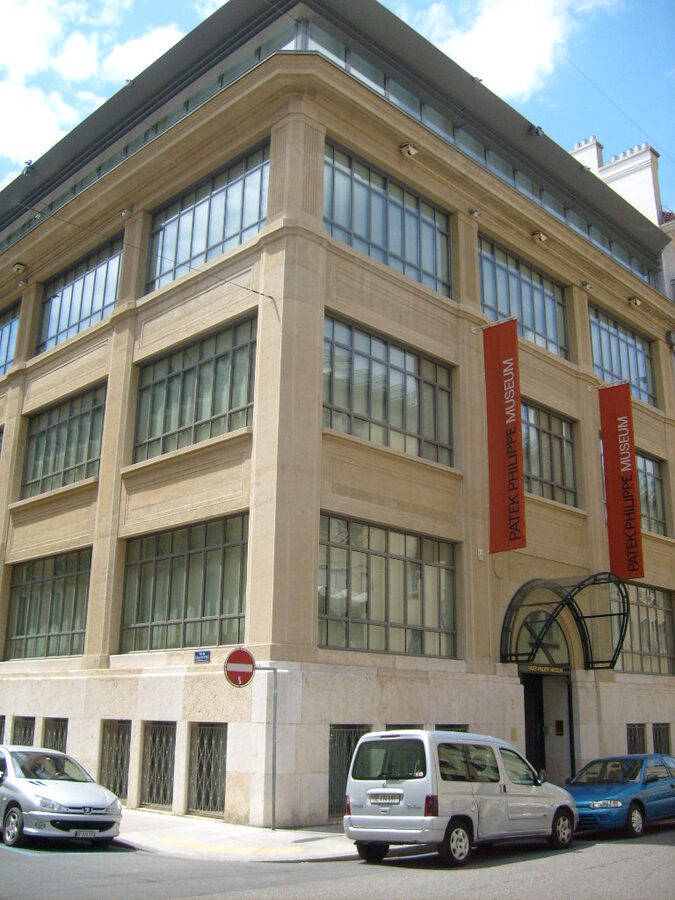
If you do one thing in Geneva, it is this. The Patek Philippe Museum sits in a former watch atelier on the rue des Vieux-Grenadiers in the Plainpalais district, a short walk south of the river. It opened in 2001 and houses around 2,500 watches, automata, miniature enamel portraits, and historical instruments across roughly five centuries of horology. The collection is split into two strands. Upstairs, the antique collection runs from the early 1500s and includes the earliest known portable watch ever made. Downstairs, the Patek Philippe collection covers the firm’s own work from 1839 onwards, including the famous Henry Graves Supercomplication and most of the milestone pieces in modern watchmaking.
I have spent two hours in this museum thinking I would spend forty minutes. People who actually care about watches spend the entire day, which the staff are used to. Even if you do not normally do museums, you will leave with a different understanding of what gets called craftsmanship.
The practical bit. Open Tuesday to Friday and Sunday afternoons (14:00 to 18:00) and Saturdays from 10:00 to 18:00, closed Mondays. Entry is around 10 CHF for adults, 7 CHF for students and seniors. The complimentary English guided tour runs Saturdays at 14:30 and you sign up on site from 13:00. Do the tour. The guides know which pieces matter and why, and the difference between walking through alone and walking through with a guide is the difference between visiting a museum and being shown one. Plan your visit on patek.com.
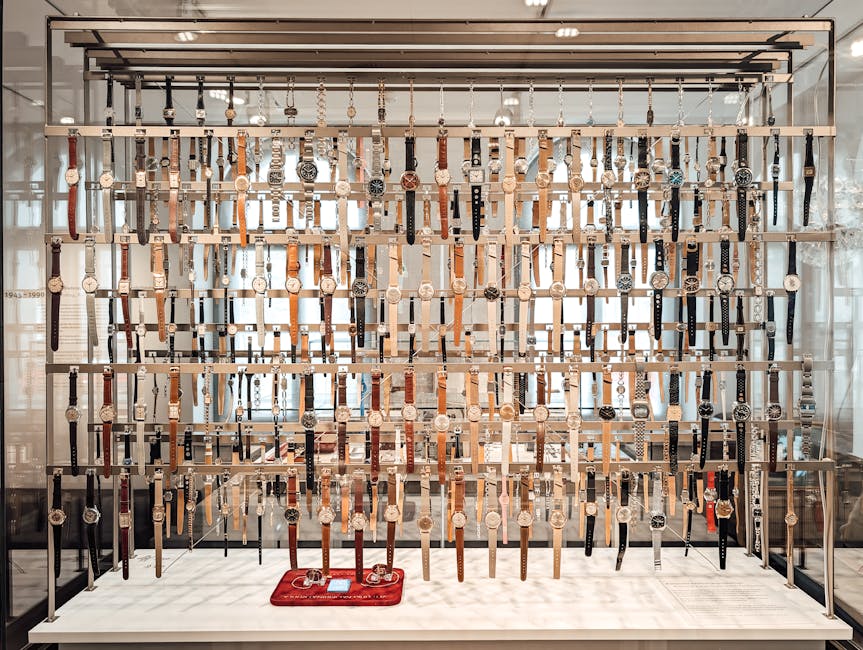
And if you have the choice between this and the Red Cross Museum on the other side of the river, take the watches. The Red Cross is well-meaning and the building is interesting, but the content reads like an essay you could read in an afternoon. The Patek collection is the kind of thing you cannot see anywhere else on earth.
The Watch Industry, the Rue du Rhône, and Watches & Wonders
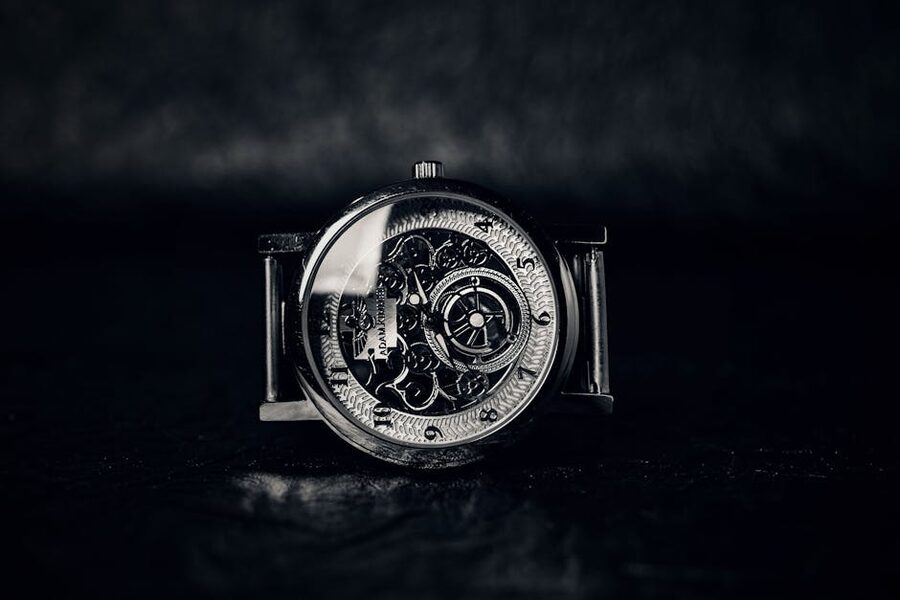
Geneva is the centre of high-end Swiss watchmaking, and the rue du Rhône is the most concentrated single street in the world for the boutiques that go with it. Even if you have no intention of buying anything, walking it as an afternoon is its own thing. Patek Philippe at number 41 is the historical headquarters and worth a look at the windows alone. Vacheron Constantin, the oldest continuously operating manufacturer in watchmaking (founded 1755), is a few minutes away on the Quai de l’Île. Rolex, Audemars Piguet, Breguet, Chopard, Piaget, all within ten minutes of each other.
One scheduling note. Watches & Wonders Geneva, the annual fair that took over from SIHH a few years ago, is held at Palexpo every spring (usually early April). If your dates overlap, every hotel in the canton sells out months ahead and rates double. If your trip is during the fair and you are not coming for it, change your dates. If your trip is during the fair and you are coming for it, book the room nine months out and stay at La Réserve, where most of the industry stays.
The Lake Run: CGN Steamers to Vevey, Montreux, and Chillon
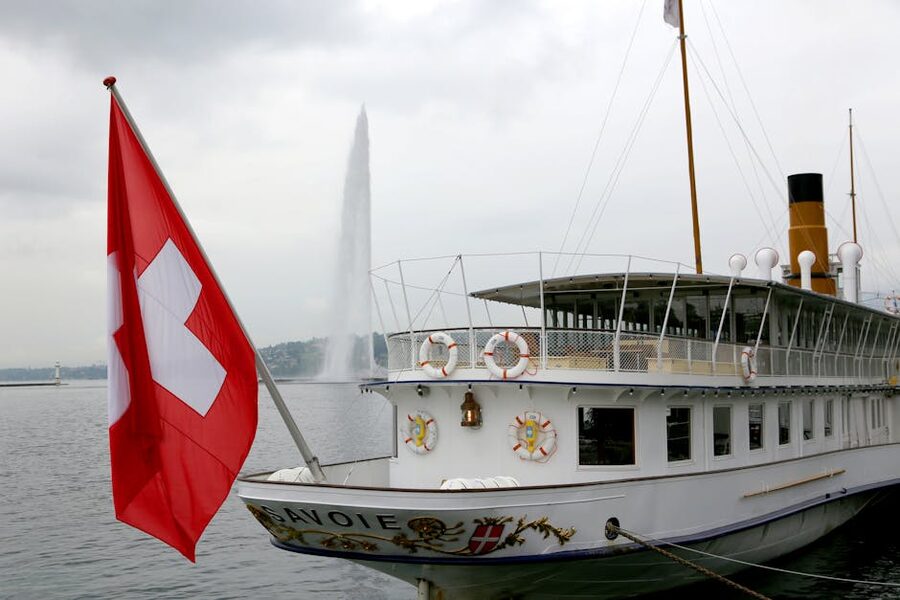
This is the most under-promoted activity in Geneva and the one I would most strongly send you on. The CGN (Compagnie Générale de Navigation) operates the largest fleet of working Belle Époque paddle steamers in the world: five steam-driven boats and two electric-powered paddle wheelers, the oldest of which (the Montreux) has been on the water since 1904. They run a regular schedule from Geneva up the lake to Lausanne, Vevey, Montreux, and Évian, and you can book either the full day cruise or a one-way passage and come back by train.
The play I would make is to leave Geneva on a morning steamer (the Vevey, the Italie, or the Savoie are the three with the best original interiors), have lunch on board as you cross the upper lake, get off at Vevey for an afternoon, and either come back by paddle steamer or hop the train back to Geneva from Vevey or Lausanne in under an hour.
Vevey. Charlie Chaplin lived above Vevey for the last 25 years of his life, and the Chaplin’s World museum at his old estate, the Manoir de Ban, is unexpectedly excellent: half traditional house museum, half film studio walk-through. Allow two and a half hours. The lakeside in town is one of the prettiest stretches of the upper lake, and the giant fork sculpture half-submerged in the water is the photo everyone takes.
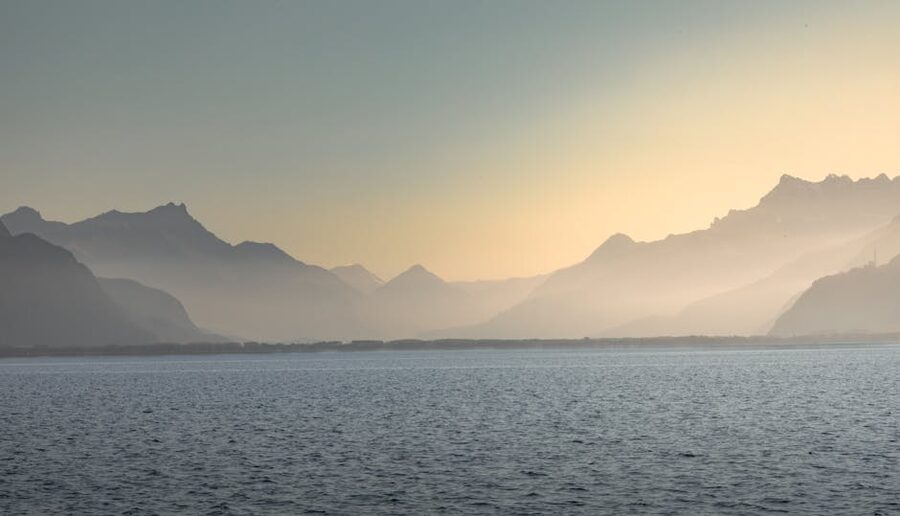
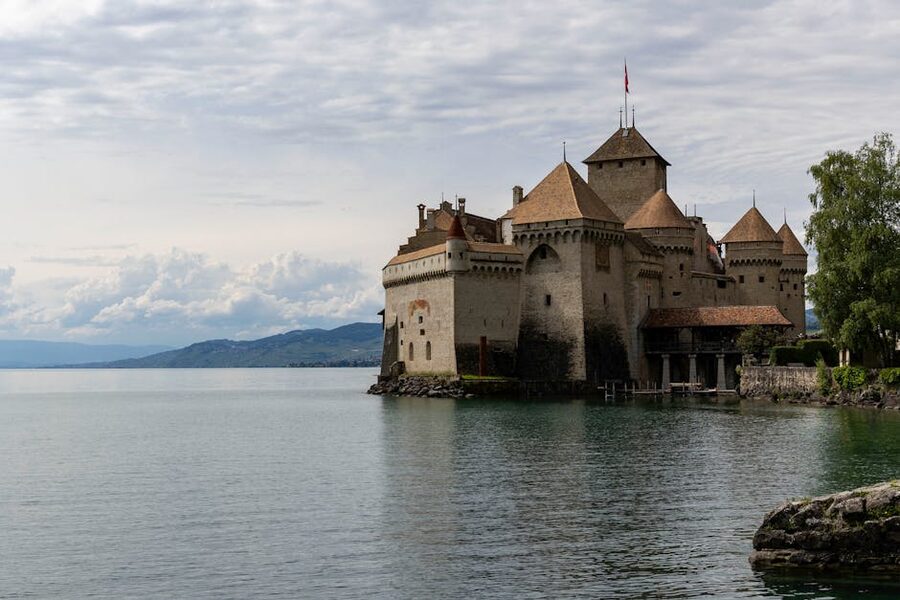
Montreux. Ten minutes further on by train. The waterfront promenade, the Freddie Mercury statue (he lived and recorded here for the last seven years of his life and is buried just outside town), the Auditorium Stravinski where the Montreux Jazz Festival happens every July. And then a kilometre and a half along the lake, the Château de Chillon, the most-visited historic monument in Switzerland, sits half on the rock and half in the water, with the Dents du Midi behind it. If you only do one lake stop, do this one.
The full schedule, fares (you can use the Swiss Travel Pass on most of these boats), and the seasonal Belle Époque dinner cruises are all on the CGN website. Book the dinner cruise on the Italie if your dates work. It is not cheap and the food is not the point; the boat is.
The Day Trip Nobody Talks About: Megève or Chamonix
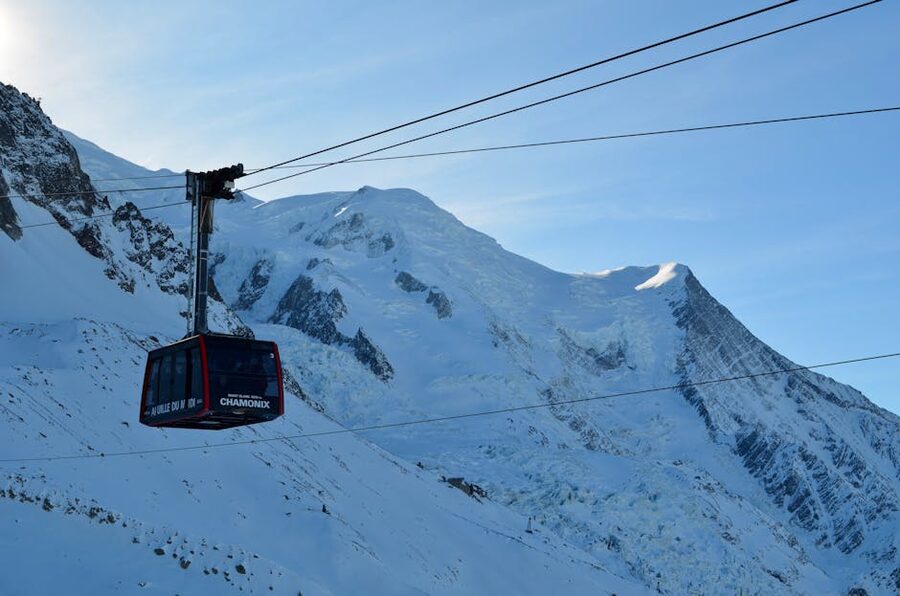
The fact that gets buried under all the Switzerland-positive marketing is that from Geneva, the French Alps are closer than the Bernese ones. Megève is one hour by car. Chamonix is one and a half. Both make a clean day trip from a Geneva base, and on a third or fourth day in the city this is the move I would make over a second swing through the old town.
Chamonix. Mont Blanc on your shoulder the whole drive in. The Aiguille du Midi cable car runs from town up to 3,842 metres in two stages and on a clear morning is the best one-day mountain experience in the western Alps. From the top there is the Pas dans le Vide glass box, the panoramic terrace, and the Vallée Blanche cable car onward to Pointe Helbronner on the Italian side. Book your cable car slot online before you drive over: in summer the on-the-day queue can be two hours, and a cloud bank can roll in by lunchtime. Aiguille du Midi tickets.
For lunch in town, La Calèche is the old-Savoie classic with fondue and reblochon dishes, and Albert 1er (one Michelin star, in the Hameau Albert 1er hotel) is the gastronomic choice if you want the long lunch.
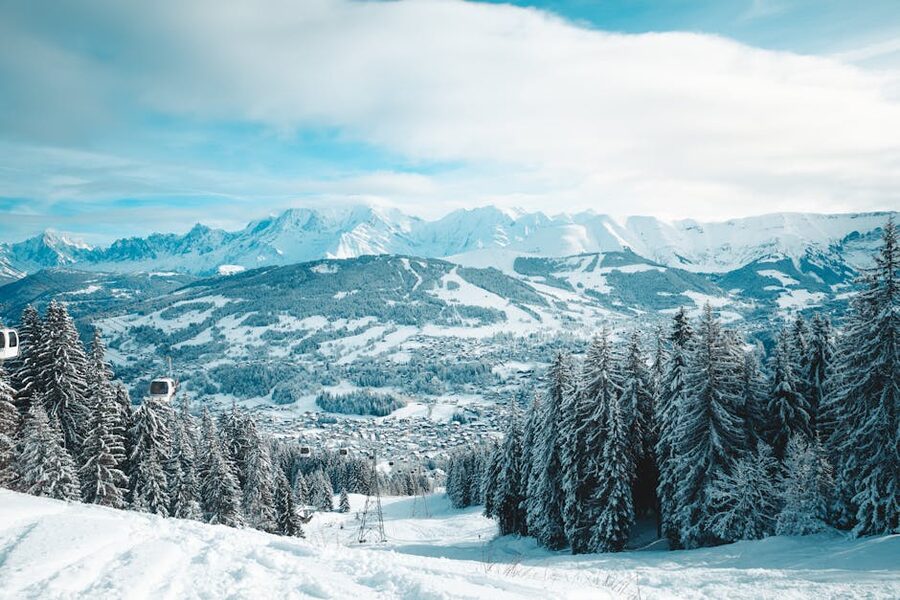
Megève. The quieter, prettier, more Rothschild option. The village is the showpiece of the Mont d’Arbois ski area and the Edmond de Rothschild family essentially built the modern resort in the 1920s; their Four Seasons Megève (the Hameau du Mont d’Arbois plus the new chalet) is the place to stay if you want to extend the day to a long weekend, and the Edmond restaurant inside it has held two Michelin stars. For a day trip, drive over for lunch at Flocons de Sel (three Michelin stars, just above the village) or for the easier and equally good lunch at La Sauvageonne in the Mont d’Arbois area.
If you have a third day in Geneva and the weather looks clear, take it.
Eating in Geneva
Geneva is not Lyon. It is also not Zurich, where the food scene is tilted toward the new and the design-forward. Geneva eats classically, leans French, and hides most of its better restaurants inside hotels. Here is the short list I would actually use.
Le Chat Botté at the Beau-Rivage (one Michelin star). The grand dame of Geneva fine dining, classical French in a room that has been there longer than the building you live in. Book ahead.
Bayview by Michel Roth at the President Wilson (one Michelin star). Lakeside dining room, panoramic windows over the water and Mont Blanc, the most reliable of the hotel one-stars. The best window table is the third from the left looking out.
SACHI at the Mandarin Oriental. A nine-seat omakase counter run by chef Mitsu, a former student of Nobu Matsuhisa. The best Japanese meal in the canton and one of the harder reservations in the city. There is a separate à la carte room next door if the counter is full.
Le Pied de Cochon, in the Vieille Ville. The local classic, the brasserie everyone in the city knows. Order the namesake pig’s trotter, or the chitterlings if you are brave, and a glass of the cheapest white on the list. This is the antidote to a week of hotel restaurants.
Café du Soleil, in Petit-Saconnex on the right bank. The fondue place that locals send you to when you ask. It has been there since the 18th century and you will queue. Take the queue, the fondue is the version of fondue that you have been trying to find.
Auberge du Lion d’Or, in Cologny on the south shore of the lake about ten minutes by taxi from the centre. One Michelin star, run by chefs Tommy Byrne and Gilles Dupont, with a terrace that looks straight back across the water at the city and the Jura mountains behind it. This is the dinner reservation I would actually make for a special evening, ahead of any of the in-town options. The bistronomic side, Le Bistro, is the more relaxed alternative on the same site.
The Jet d’Eau, the UN, the Other Things
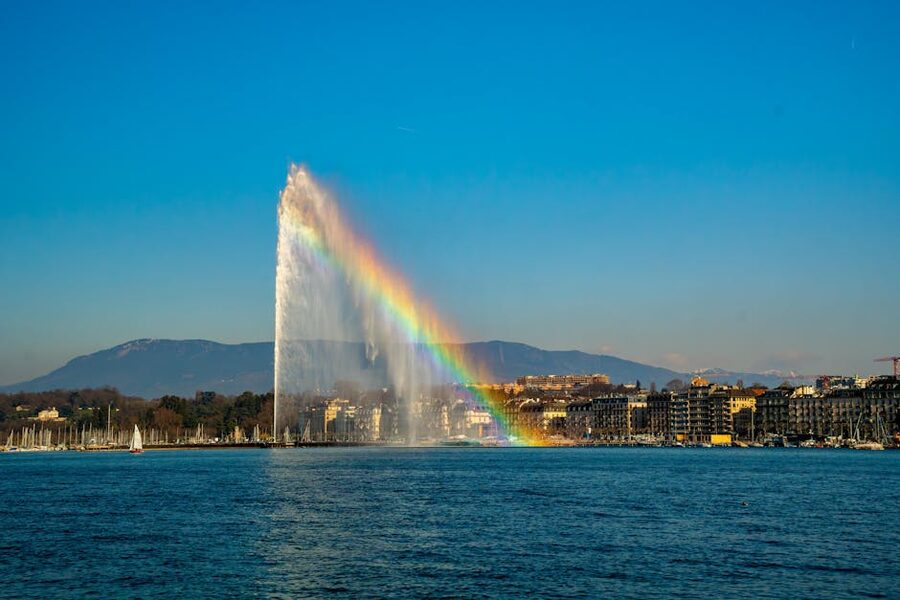
The Jet d’Eau. Yes, the 140-metre fountain. It pushes around 500 litres of lake water per second through a single nozzle and on a windy day soaks anyone standing on the jetty. Walk the Quai Gustave-Ador along the south side of the lake at sunset and the Jet is across the water in the postcard frame. Take the photo, do not commit a morning to it.
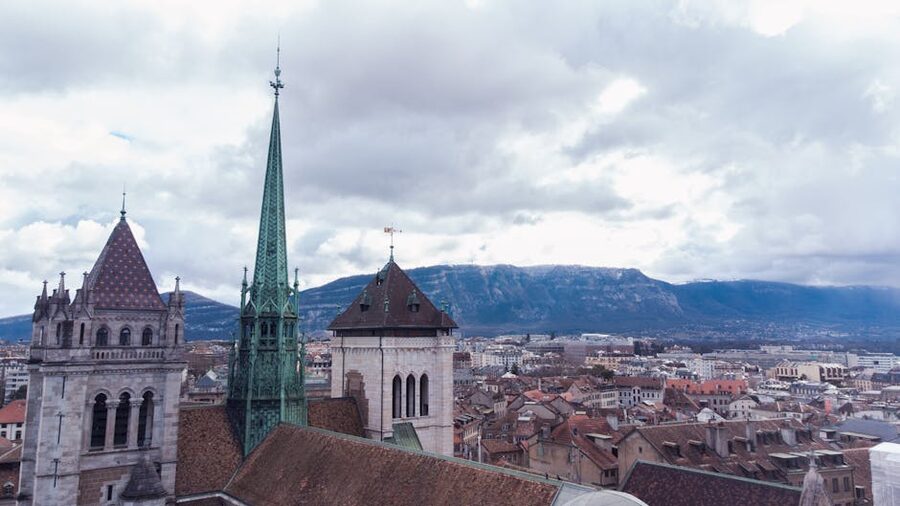
The Vieille Ville and St-Pierre Cathedral. Climb the cathedral tower if your knees hold out (157 narrow stone steps), and the view across the rooftops to the lake is the best free thing in the city. The cathedral itself is plain inside (Calvin’s Geneva, post-Reformation) and only takes ten minutes. Do the side chapel.
The UN tour. The Palais des Nations runs guided tours of the European headquarters of the United Nations, and unless you have a specific UN-affiliation interest, I would skip it. The buildings are more interesting from outside and the tour is a procession of conference rooms with assigned seating. The grounds and the Broken Chair sculpture across the road on Place des Nations are worth a quick walk if you are in the neighbourhood.
The Red Cross Museum. Well done, well intentioned, and ultimately the kind of museum where you can read the same content. If you are travelling with a teenager or somebody who has a particular interest in humanitarian history it is worthwhile. If you have to choose between this and the Patek, the Patek wins by a long way.
Bains des Pâquis. The municipal lake bathing platform on the right bank. Free in winter, a small entry fee in summer, with a sauna, a hammam, and a famous summer fondue at the platform restaurant. This is the locals’ Geneva. Go for the morning swim before breakfast at Beau-Rivage and you will see what I mean.
The Two-Day Itinerary I Actually Recommend
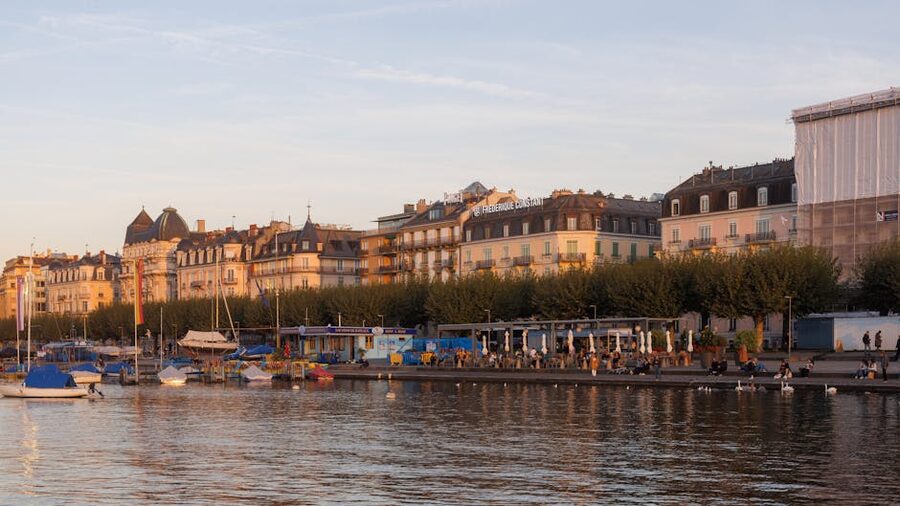
Day one. Land at GVA, taxi 15 minutes into the centre, check into one of the lakefront hotels above. Lunch at the hotel terrace or at Le Pied de Cochon if you want to get out of the building. Afternoon: walk the Quai du Mont-Blanc south across the Pont du Mont-Blanc, photograph the Jet d’Eau from the south side, climb up through the Place du Bourg-de-Four to St-Pierre Cathedral and up the tower. Apéro at one of the cafés in the Place du Bourg-de-Four. Dinner at Le Chat Botté, Bayview, or Auberge du Lion d’Or in Cologny.
Day two. Morning at the Patek Philippe Museum (be there at opening; the Saturday 14:30 English tour is the move if your dates fit). Lunch back near the lake. Afternoon CGN steamer up the lake to Vevey for two hours at Chaplin’s World, then either the next steamer back or the train. Dinner at SACHI if you booked it, or the easier walk-in at Café du Soleil for fondue.
Day three (optional). Drive to Chamonix or Megève for the Aiguille du Midi or a long Savoie lunch. Back to Geneva for the night, fly out the next morning.
Two nights, three days, you have done what is genuinely worth doing here.
Using Geneva as a Launchpad
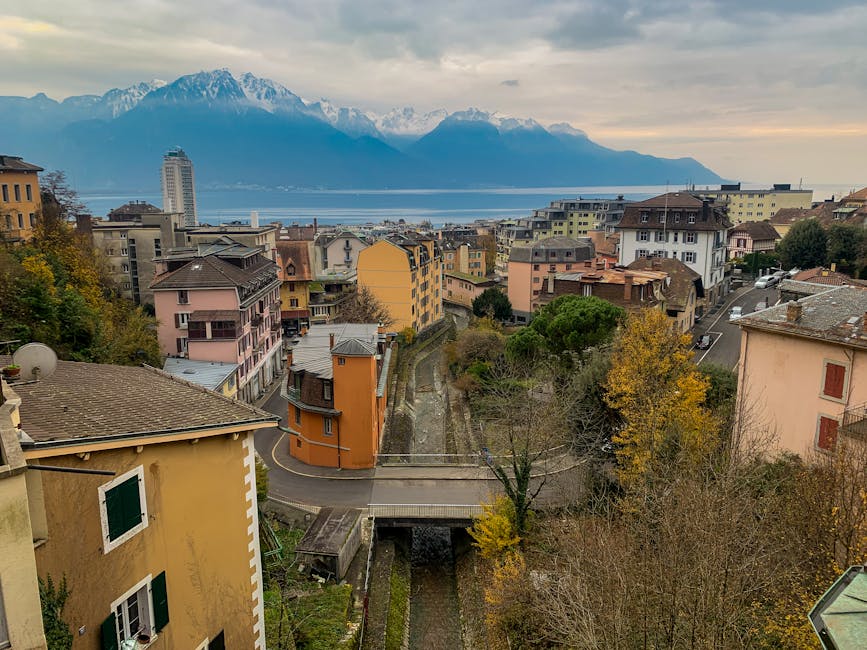
This is the structural payoff of the article. After two nights in Geneva, the rest of the country and a chunk of France are easy. Pick one or two of these for the next leg:
- Gstaad, 90 minutes by car. Old-money Switzerland, the Alpina and the Park Gstaad as the two anchor hotels, equally good in summer hiking and winter skiing.
- Verbier, 90 minutes. The current French-speaking Switzerland luxury crowd, with W Verbier as the noisier base and the Chalet d’Adrien as the quieter one.
- Crans-Montana, two hours. The under-marketed alternative to Gstaad with the Chetzeron at 2,112 metres as the destination hotel.
- Zermatt, three hours by car or three and a half by train. The Matterhorn, the Mont Cervin Palace, the Riffelalp Resort up the mountain at 2,222 metres.
- Chamonix, 90 minutes (France). Already covered above, also a fine multi-night base.
- Megève, one hour (France). Also above, and where I would stay for a long weekend if I had one.
- The Italian Lakes, three and a half to four hours by car. Como is the closest, and a Geneva-to-Como drive over the Grand Saint Bernard pass in summer is one of the more underrated road trips in Europe.
- The Glacier Express, departs from Zermatt or St Moritz. Pick up the train onward through the Alps; this is one of the great train journeys in the world and combines beautifully with two nights in Geneva at the front and Zermatt or St Moritz at the back.
The mistake is to spend a week in Geneva. The right move is to spend two perfect nights here, then keep going. If you are putting together a longer European trip, this same logic applies in the other direction too: a couple of days in Geneva drops nicely into a wider tour, and the city pairs especially well with a swing down to a week in Croatia for those who want the contrast of an Adriatic week after the Alpine one. For readers in the market for the same kind of stay further afield, our recent piece on Lebanon covers another Mediterranean shoulder destination, and the around-the-world private jet tour write-up includes Geneva as one of the standard fuel stops on the European leg.
When to Come
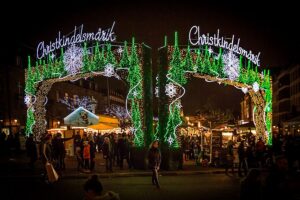
May, June, and September are the best months. Long days, the steamers running their full schedule, the lake warm enough to swim by mid-June, the Alpine day trips clear without the August queues. July is the Montreux Jazz Festival window, which is reason enough to be on the upper lake but means rooms in Vevey/Montreux double in price. August is the warmest and the busiest, especially the first three weeks. December brings the L’Escalade celebrations and a quietly handsome Christmas market by the Jardin Anglais. January and February are cold and grey at lake level but excellent for the ski day trips to Megève or Chamonix.
Avoid the week of Watches & Wonders (early April). Hotels double, restaurants are full of watch press, and the rate La Réserve quotes you will make you wonder if you misread the email.
One More Thing
The thing I would push back on, gently, if you are reading this and planning a first trip to Switzerland, is the idea that Geneva is the destination. It isn’t. It’s the front door. Two nights in a hotel that earns its rate, an afternoon in a museum that justifies the airfare, dinner at a place where the room matters, an afternoon on a hundred-year-old paddle steamer, then onward to whatever Alpine valley you came here for.
If you do that, Geneva will be one of the better short stays of the trip. If you try to make it the whole trip, you will spend day five wondering what you have missed, which is a bad way to remember a city that did not promise you a week in the first place.
Browse all our European destination guides at the Destinations index.